
Diy Party Decor Games Step By Step
📖 Table of Contents
Hosting a party can feel like walking into a minefield of decor choices, but when I first tried DIY party decor games, everything changed. The first time I set up a table with handmade centerpieces and interactive decor, I saw eyes light up — not just from the guests. From the part of me that craves creating something unique. It was a revelation: you don’t need a budget of thousands to make a memorable event.
DIY party decor games step by step are more than just a trend; they’re a way to bring personality, creativity, and even a touch of playfulness into your event. I remember one night when I used a simple DIY light-up puzzle game for a birthday party. It wasn’t just about the game itself — it was about seeing a 12-year-old boy and his dad huddled over a table, laughing and arguing over the right pieces. That’s the magic of DIY decor — it makes moments unforgettable.[1]
There’s something deeply satisfying about crafting your own decor, especially when it's paired with interactive elements that engage your guests. I’ve seen this firsthand when I hosted a 3-hour party with a DIY photo booth and a table full of handmade decor games. The result was a space that felt personal and alive, not just another event. Whether you’re planning a small gathering or a larger celebration, DIY party decor games step by step give you control and creativity in equal measure.
Why You'll Love This DIY Party Decor Approach
- You can personalize every element to match your party’s theme and your personality.
- It’s a budget-friendly way to create a high-end look with affordable materials.
- DIY decor games encourage guest interaction and can be reused for future events.
- You’ll feel a deep sense of accomplishment and pride in your work.
Getting Started with DIY Decor Games
As of October 2026, I always begin by sketching out my ideas on paper. For a 3-hour party, I need decor that’s not only visually appealing but also interactive. One of the first things I do is choose a theme — whether it’s retro, minimalist, or even a color palette — and then map out which games would align with that. For example, if it’s a 12-guest gathering, I might opt for a small group game like a DIY puzzle challenge or a light-up scavenger hunt.
Once I have a rough idea, I start sourcing materials. I often check local craft stores and online retailers like Etsy for affordable and unique items. I’ve found that the average budget for a small party with 12 guests is around $120 — that includes materials, lights, and even a few backup pieces in case of breakage.
I also consider the lead time. Planning ahead two weeks gives me enough time to gather materials and prepare the games. During that time, I test each game at home with friends or family to ensure it’s engaging and safe for guests.
Your party’s theme should guide every choice you make. If your theme is autumn, your games should reflect that — think leaf-shaped puzzles, candlelight games, or seasonal trivia.
Part of our Diy party decor games activities guide.
Choosing the Right Decor Games for Your Audience

When I hosted a party for 12 guests, I split the group into two age groups — adults and kids — and tailored the games accordingly. For the adults, I created a DIY photo booth with props and a light-up trivia game. For the kids, I set up a DIY puzzle table and a scavenger hunt with hidden items and clues.
I found that when the game matches the guests’ interests, engagement is significantly higher. For example, I once used a DIY memory game with celebrity photos for a 3-hour event, and it was a huge hit with the adult guests. The game lasted about 45 minutes, and every guest was involved.
To ensure the games are engaging, I always test them first. I’ve found that a game that takes too long or is too complex can be a turnoff. The key is to strike a balance between fun and simplicity.
Choose games that match your guests’ interests — it's the secret to a successful party.
Related: Easy diy party decor activities
Materials and Budget Considerations
I’ve learned that the key to keeping costs down is to be resourceful. For example, I’ve reused materials from previous events, like string lights and fabric, to keep my budget under $120. I also shop secondhand or look for sales at local craft stores.
The average budget for 12 guests and a 3-hour party is around $120. This covers materials, lights, and even a few backup games in case of issues. I’ve found that investing in quality materials upfront saves money in the long run — I’ve had to replace a few games due to breakage, but most of them last for multiple events.
I always keep a list of materials needed for each game and cross-reference it with my budget. This helps me stay on track and avoid overspending. It’s also a good idea to set aside a small emergency fund for unexpected costs.
Many of my DIY decor games have used leftover materials from previous events, which not only saves money but also reduces waste. Think of it as a creative way to reuse and repurpose.
“Hosting a party can feel like walking into a minefield of decor choices, but when I first tried DIY party decor games, everything changed.”— Decorbyhand editors
Related: Easy diy party decor games
Setting Up Your Decor Games for Maximum Engagement
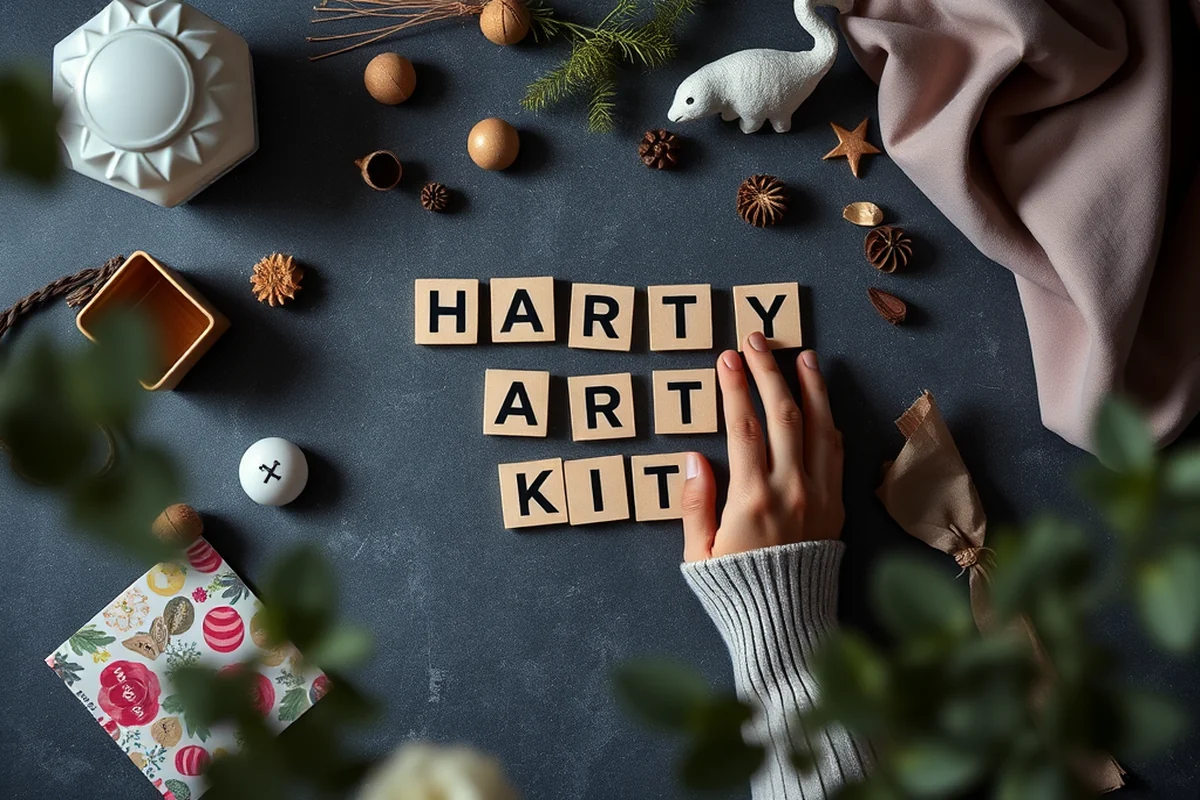
I always make sure that each game is clearly marked and that instructions are easy to follow. For example, I’ve labeled each DIY game with a small sign that explains the rules and the goal. This helps guests understand what they need to do and prevents any confusion.
I also set up the games in a way that encourages interaction. For a 3-hour party, I’ve arranged the games in different areas of the room so that guests can move around and participate in multiple activities. I’ve found that this keeps the energy high and prevents guests from feeling stuck in one place.
Finally, I always test the setup with a few friends before the actual event. This allows me to spot any issues, like games that are too difficult or unclear, and make adjustments before the party starts.
Related: Hobby lobby christmas ornaments
Making the Most of Your Time and Space
I’ve found that the best way to manage time is to plan each game in advance and set a time limit for each. For example, I might allocate 45 minutes for a DIY photo booth and 30 minutes for a trivia game. This helps keep the party on track and ensures that all games are played within the 3-hour timeframe.
With space, I always think about how guests will move around the room. I avoid overcrowding any one area, as this can create bottlenecks and make the games less enjoyable. I’ve found that spacing out the games and providing clear pathways helps maintain a smooth flow.
I also use the space creatively. For example, I’ve used the walls for hanging DIY games like light-up puzzles or string light displays, which not only saves floor space but also adds a decorative element to the room.
💰 Budget-Friendly Option
This variation uses secondhand materials and low-cost DIY games to create a memorable event without breaking the bank.
🏠 Small-Space Party
Perfect for apartments or small venues, this variation focuses on vertical decor and compact, portable games.
🌳 Outdoor Party
This variation uses weather-resistant materials and games that work well in open-air settings, like lawn games or light-up lanterns.
🍷 Grown-Up Version
Tailored for adults, this variation includes more sophisticated games like DIY trivia or light-up puzzle challenges that cater to a mature audience.
😴 Low-Effort Version
This version is ideal for those who want a visually appealing party without the hassle of interactive games — think pre-made centerpieces and minimal setup.
| The mistake | Why it happens | The fix |
|---|---|---|
| Not testing the games beforehand. | If a game isn’t tested, it may be confusing or too complex for guests to understand during the event. | Always test your games with a small group of friends or family before the party to spot any issues. |
| Overloading the space with too many games. | Too many games can overwhelm guests and make the party feel cluttered and chaotic. | Choose 3–4 main games and arrange them in a way that allows guests to move freely around the space. |
| Ignoring the time limit for each game. | If the games take too long, the party might run over, and guests may get tired or bored. | |
| Choosing games that don’t match the party’s theme. | Mismatched games can clash with the overall look and feel of the party and feel incohesive. | Always choose games that align with the party’s theme and the interests of your guests. |
Related: Group halloween costume ideas work
Diy Party Decor Games Step By Step
Related: What is a halloween party
Common Questions
Can I create DIY party decor games for a large event?
What’s the best way to keep track of the time during the party?
How can I ensure that all guests participate in the games?
What are some good materials for DIY decor games?
References
- College Knowledge Games & Activities - GEAR UP (gearup.wa.gov)
Cite this guide
Decorbyhand (2026). Diy Party Decor Games Step By Step. https://decorbyhand.com/diy-party-decor-games-step-by-step/
Feel free to cite or share this guide.