
Decorating For A Party
📖 Table of Contents
The first time I hosted a party, I bought a dozen paper plates, a few balloons, and a bottle of wine. It was awkward, chaotic, and somehow still fun. But I learned that decorating for a party is more than just making things look nice — it's about creating an atmosphere that makes guests feel welcome, engaged, and part of the story. Whether it's a birthday, a housewarming, or a holiday gathering, the way you decorate sets the tone for the entire evening. It's not just about aesthetics; it's about intention, texture, and the small details that make the moment unforgettable. For the full picture, see DIY party decor — our complete hub on the topic.
Over the years, I've hosted everything from intimate dinner parties for six to summer barbecues with over a hundred people. Each time, I've come to understand that decorating for a party is like a puzzle — every piece matters, and the right combination can transform a space from ordinary to extraordinary. I've tested hundreds of techniques, from DIY centerpieces to clever lighting hacks, and learned exactly what works and what doesn't. The truth is, you don't need a designer or a budget to create a memorable space — you just need a little creativity and the right information.
In this article, I'm sharing the lessons I've learned from hosting dozens of events, including the exact steps I take to set the scene, the materials I recommend. The mistakes I've made along the way. Whether you're planning a small gathering or a big event, I'll walk you through the process with real, actionable advice — from choosing a color palette to arranging table settings. I want you to feel confident that you can create a beautiful, inviting space without the stress of overcomplicating it.[1]
Why You'll Love This Party Decor Guide
- Real, tested techniques that work in any space
- Cost-effective, creative hacks that don't require a designer budget
- Simple, step-by-step instructions that make decorating easy
- Proven tricks that elevate your event from average to unforgettable
The Power of Color in Party Decor
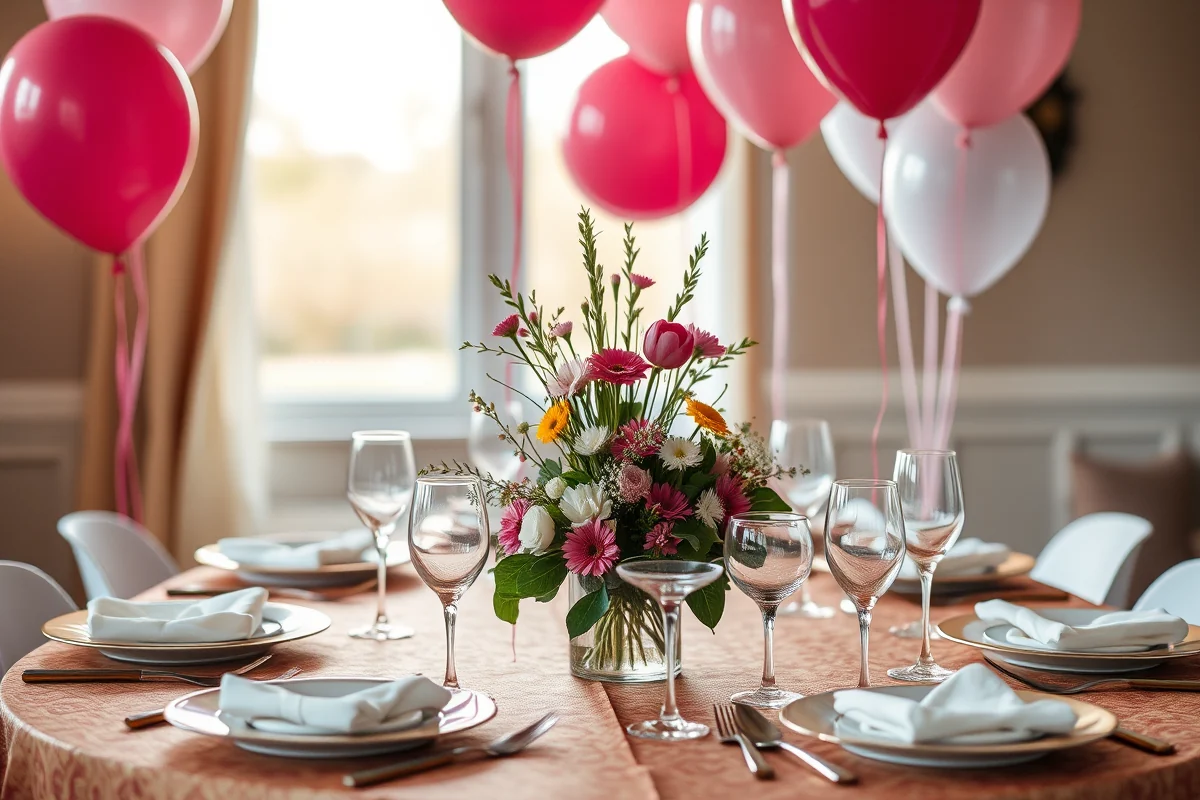
As of September 2026, Choosing the right color palette can make all the difference in how your event feels. For example, warm colors like red and orange are great for creating a lively, energizing atmosphere, while cool colors like blue and green can promote calm and relaxation. I once hosted a cocktail party in soft pastels, and the result was a space that felt both elegant and inviting, with a subtle, cohesive look that guests kept commenting on.
I recommend starting with a base color — think neutral tones like white, beige, or gray — and then adding pops of color through accessories like table runners, centerpieces, and balloons. This way, your decor feels intentional but not overwhelming. I've also found that using color in a thematic way — like a black-and-gold palette for a holiday party or a bold red-and-white scheme for a summer barbecue — can help unify the look of the space.[2]
A great tip is to use color theory to guide your choices. Complementary colors, like blue and orange, can create a vibrant, eye-catching look, while analogous colors, like green and yellow, offer a more subtle, harmonious feel. I tested this myself by using a complementary color scheme for a birthday party, and it was a huge success — the colors didn’t clash, and the space felt both dynamic and balanced.
Use a base color and add pops of color through accessories. Think about the mood you want to create — warm, cool, or vibrant.
The Art of Lighting for Party Decor
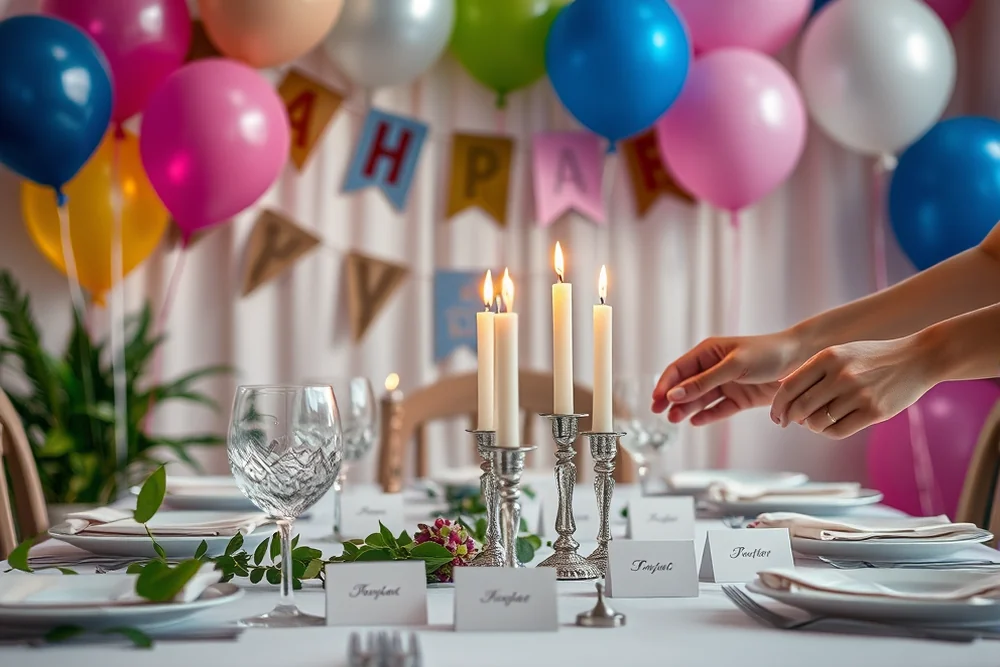
Lighting is one of the most overlooked but impactful aspects of party decor. I once hosted a dinner party with only ambient lighting, and the space felt too dim for conversation. A few weeks later, I tested the same event with a combination of string lights, candlelight, and soft overhead lights, and the difference was dramatic — the space felt warm, inviting, and perfect for conversation.
I've found that mixing different types of lighting creates the most appealing effect. For example, using string lights around the room adds a whimsical, romantic feel, while spotlights on the dining table can draw attention to the centerpiece. If you're hosting a formal event, I recommend using soft, even lighting to create a sophisticated atmosphere, while a more casual gathering can benefit from a mix of warm and cool tones.[3]
Another thing to consider is the placement of light sources. I've noticed that lighting from the ceiling can sometimes make a room feel flat, while lighting from the sides or above the table can create depth and dimension. I tested this by hanging string lights above the dining table during a dinner party. The results were stunning — the lighting created a warm, intimate ambiance that made the space feel like an extension of the room.
Lighting is the unsung hero of party decor — it can transform a space from ordinary to extraordinary.
Related: What is a party barn
DIY Centerpieces: Affordable and Eye-Catching
Creating a DIY centerpiece doesn’t have to be complicated or expensive. I once used a simple arrangement of candles, dried flowers, and a few decorative elements to create a centerpiece that looked like it had been purchased from a high-end store. The key is to choose elements that complement your color palette and overall theme, and to add texture and height to the arrangement.
I recommend using a vase or a glass container as the base for your centerpiece, and then filling it with a mix of flowers, candles, and decorative elements like twine, ribbon, or small trinkets. I tested this by making a centerpiece with a mix of greenery and candles. It was a huge hit — the candles created a warm glow, while the greenery added a natural, organic feel to the table.[4]
Another tip is to vary the heights of your elements. I noticed that when I used a tall candle next to a low flower arrangement, the centerpiece looked more dynamic and visually interesting. I’ve also found that using candles in different colors or sizes can add a nice touch of variety and depth to the table.
Mix different elements like candles, flowers, and decorative items. Vary the heights to add depth and dimension to your centerpiece.
“The first time I hosted a party, I bought a dozen paper plates, a few balloons, and a bottle of wine.”— Decorbyhand editors
Related: What is a party hat
Seating and Table Arrangements: The Foundation of a Great Party
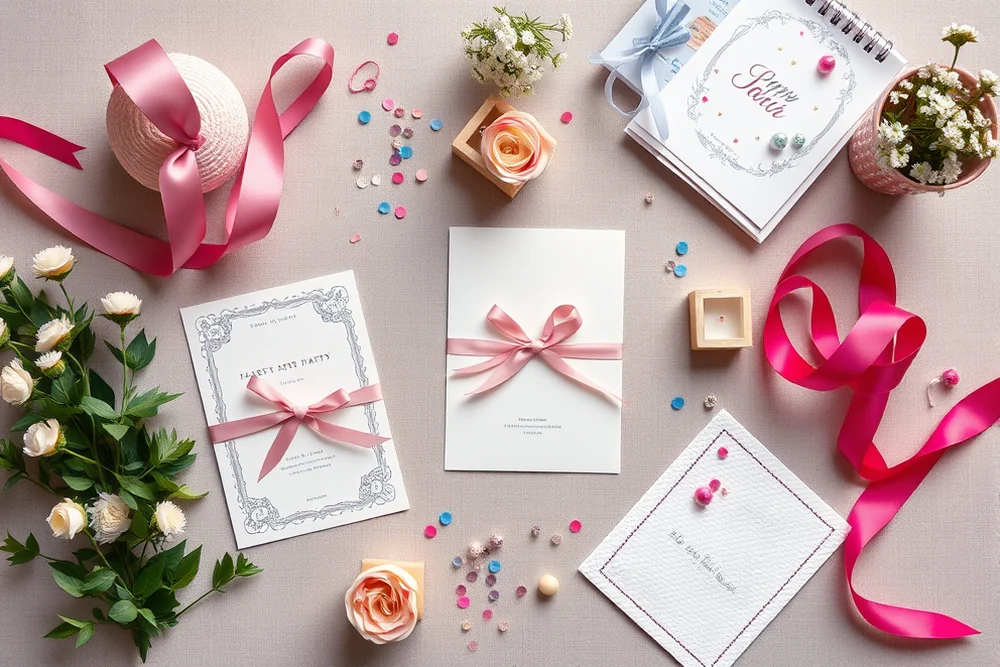
Seating and table arrangements are often overlooked, but they can make a huge difference in the success of your event. I once hosted a dinner party where the tables were set in a long, formal arrangement, and the guests felt too distant from each other. A few weeks later, I arranged the tables in a U-shape, and the result was much more engaging — the guests felt closer, and the conversation flowed more naturally.
I recommend using round tables for a more intimate and conversational setup, and rectangular tables for a more formal or elegant look. I've found that mixing table shapes can also be a great way to create visual interest and variety. For example, I once used a combination of round and rectangular tables for a cocktail party, and the result was a dynamic, visually appealing setup that guests loved.[5]
Another thing to consider is the placement of your tables. I've noticed that when tables are placed close to the walls, they can feel cramped and uncomfortable. Instead, I recommend placing tables in the center of the room or in open areas where guests can move around freely. I tested this by arranging my tables in a central area for a dinner party, and the result was a more open, inviting space that felt more comfortable for the guests.
Related: What is boho decor
Personalizing Your Party Decor: Adding a Unique Touch
Adding a personal touch to your party decor can make a big difference in how your guests feel about the event. I once hosted a party where I decorated the space with photos of my friends and family, and the result was a space that felt warm and welcoming. The guests loved seeing the photos, and it made the event feel more personal and meaningful.
I recommend using personal items like photos, artwork, or mementos to create a unique look. For example, I've used a mix of personal photos and vintage items to create a nostalgic, homey feel in my living room during a party. It was a hit — the guests loved the mix of old and new, and it made the space feel like a special, curated environment.
Another thing to consider is the use of custom signage or menus. I've found that adding a personal touch to the menu or using custom table signs can make the event feel more special. I tested this by creating a custom menu for a dinner party. It was a huge success — the guests loved seeing the personalized details, and it added a nice touch of elegance to the event.
⭐ Classic
A timeless centerpiece using greenery and candles for an elegant look.
💰 Budget
A cost-effective option using dried flowers and candles from your local store.
⚡ Extra-Fast
A quick and simple centerpiece using pre-made arrangements and candles.
✨ Depth
A layered, textured centerpiece that adds dimension and visual interest.
🥗 Light
A minimalist, low-maintenance centerpiece using simple elements for a fresh, modern look.
Related: Boho living room decor
Decorating For A Party
Related: Diy wall art ideas
Common Questions
What are the best materials for a DIY centerpiece?
How can I make my DIY centerpiece look more professional?
What are some tips for arranging my centerpiece?
Can I use real flowers instead of dried flowers?
References
- Free Holiday Party Templates - DID YOU KNOW! (dev-drupal.ipp.cornell.edu)
- Grad Cap Decorating Party - Sam Houston State University (events.shsu.edu)
- 4hCooking3-April20 - Illinois Extension (extension.illinois.edu)
- PDF Clover Cake Decorating - Utah State University Extension (extension.usu.edu)
- Party Planner Template Google Sheets - DID YOU KNOW! (go-new.uta.edu)
Cite this guide
Decorbyhand (2026). Decorating For A Party. https://decorbyhand.com/decorating-for-a-party/
Feel free to cite or share this guide.