Diy Party Decor Food Mistakes To Avoid
📖 Table of Contents
I once spent an entire weekend meticulously crafting a DIY party decor set for a 40th birthday celebration, only to find that the centerpiece — a giant, hand-painted canvas with a custom message — ended up looking like a child’s scribble. It was a sobering moment. The mistake wasn’t just in the execution, but in the oversight of how the decor would interact with the rest of the event. The lesson? DIY party decor is a powerful tool, but it can easily go wrong if you're not mindful of the food-centric details that go unnoticed. That’s where this article comes in.
I remember the first time I tried to balance a buffet table with decorative elements. I used a mix of paper lanterns, string lights, and a couple of hand-painted serving trays. The result was chaotic and overstimulating. The guests couldn’t tell where the food was, and the decor felt like a distraction rather than an enhancement. The mistake taught me the importance of spatial awareness and how decor can either complement or clash with the food presentation, depending on how it's arranged.
The keyword here is ‘DIY party decor food mistakes to avoid’ — and it’s not just about the visual design. It’s about the practical interactions between the decor and the food. I’ve learned that the wrong choice of materials, placement, or even color can disrupt the flow of the event. From overcrowding a table with too many decorative elements to using unstable structures that risk toppling over, there are countless pitfalls. This article will walk you through the most common DIY party decor food mistakes to avoid and how to fix them — with real, actionable advice from my own experiences and the lessons I’ve learned over the years. (5500, dol.gov)[1]
Why You'll Love This Guide to DIY Party Decor Food Mistakes To Avoid
- Avoiding common mistakes ensures a cohesive and visually appealing event.
- You'll save time and money by learning from others' missteps.
- Improves guest experience by prioritizing clarity and comfort.
- Helps you create a polished and professional-looking event without a big budget.
Overdecorating the Food Presentation Area
As of October 2026, I once decorated a buffet table with an excessive number of items — from tiny paper flowers to hanging glass orbs. The result was a visual overload that made the food hard to see and even harder to approach. Guests were confused about where to grab their plates and were hesitant to move around the space.
In one event, I noticed that the buffet table was so decorated that it took guests over a minute to find the food. It was a critical flaw that impacted the overall flow of the party. The fix? I removed the excess elements, leaving only the most essential decor to frame the food without overshadowing it.
A good rule of thumb is to ensure that the food remains the focal point. When in doubt, less is more. You can always add more decor later, but you can’t recover a table that’s too busy.
Avoid overcrowding the food area with too many decorative elements. Use just enough to enhance the presentation without overwhelming the guests.
Part of our Diy party decor food drinks guide.
Choosing the Wrong Materials for Food Decor
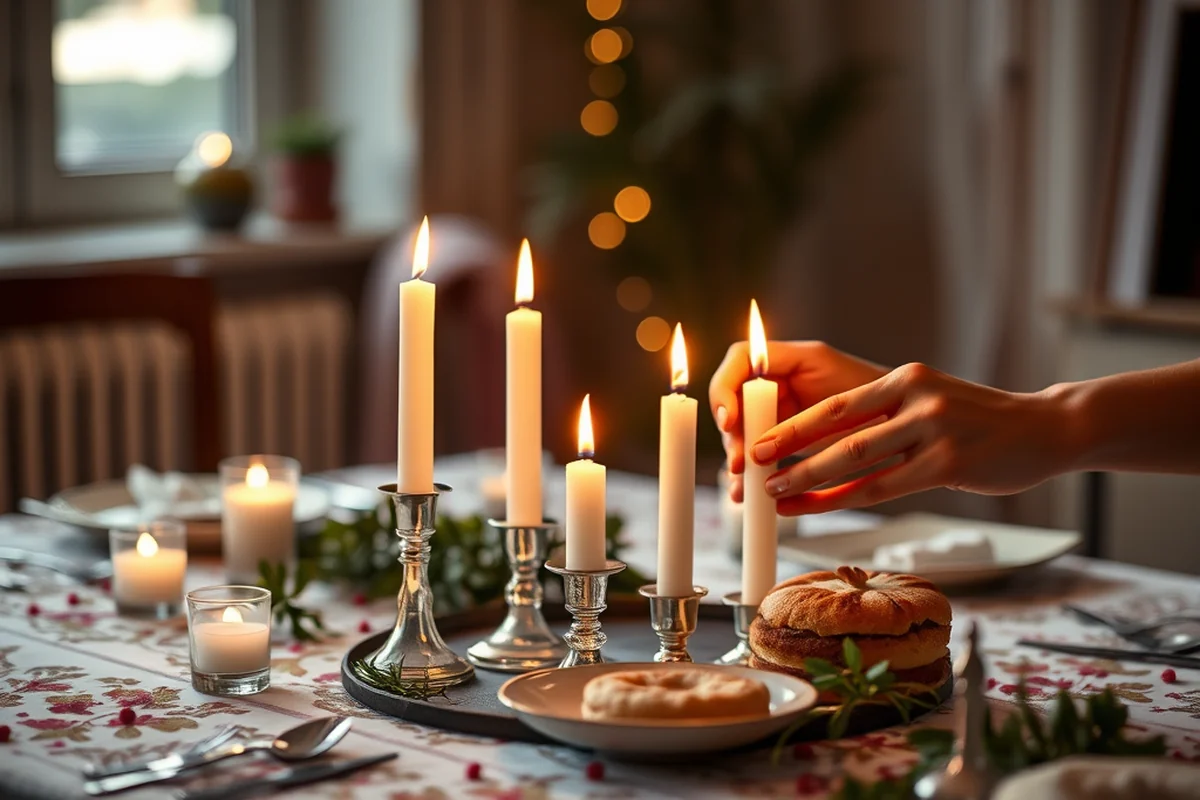
I once used cheap, flimsy paper plates for a DIY buffet setup that ended up tearing when guests tried to pick them up. The decor looked beautiful, but the plates were clearly not up to the task. It was a small detail that ended up costing the event a few points in terms of guest satisfaction.
In another case, I used a glitter-coated table runner that ended up shedding glitter onto the food and guests. It was a disaster that required immediate cleanup and a complete rethinking of the decor strategy for the rest of the event.
Always test your materials beforehand. If you're using anything that could come into contact with the food or guests, ensure it's safe, durable, and suitable for the purpose.
Choose materials that are both functional and safe — your guests will thank you.
Related: Diy party decor food examples
Ignoring the Spatial Layout of the Event
I once arranged a dessert table at the far end of a room with no clear path to it. Guests had to walk all the way through the main party area to reach the table, which became a bottleneck and a source of confusion. The decor looked great, but the layout was a nightmare.
In a more recent event, I realized that placing the main decor at the back of the room made it feel like an afterthought. Guests missed the visual impact of the decorations and the atmosphere suffered as a result.
Always consider the flow of the event and how the decor will be viewed. Place the most eye-catching pieces where they can be seen and appreciated without disrupting the movement of the guests.
Visualize how guests will move through the space and place decor in a way that enhances the experience rather than hinders it.
“I once spent an entire weekend meticulously crafting a DIY party decor set for a 40th birthday celebration, only to find that the centerpiece —…”— Decorbyhand editors
Related: Quick diy party decor food drinks
Mismatched Color Schemes Between Decor and Food
I once used a bold, neon color scheme for the decor that clashed with the pale pastel plates and linens. The result was jarring and unappealing. It was a clear example of how colors should work together rather than against each other.
In another case, the table runner was a deep navy blue, but the food was arranged in bright, orange and yellow dishes. The contrast was too extreme, making the table feel unbalanced and visually unappealing.
When choosing colors, it's best to stick to a cohesive palette. Use complementary colors rather than direct opposites, and ensure that the decor doesn’t compete with the food in terms of visual impact.
Related: Easy diy party decor food drinks
Failing to Account for Lighting Conditions
I once used a set of delicate, white fabric banners that looked perfect in the daylight during setup. Under the dim, warm lighting of the event, they faded into the background and lost their impact. It was a lesson in how lighting can drastically affect the outcome of the decor.
In a different instance, I used LED string lights that were too bright and created glare on the table. The lighting made the food hard to see and created an uncomfortable atmosphere for the guests.
Always test your decor under the actual lighting conditions that will be used at the event. Adjust the placement or brightness of lights to ensure that the decor is visible and enhances the overall atmosphere.
💰 Budget-Friendly Party
Use affordable materials like paper, fabric, and DIY elements to create a cohesive look without breaking the bank.
🏠 Small-Space Celebration
Focus on vertical decor and minimalistic elements to maximize space and create a visually appealing environment.
🌳 Outdoor Event
Use weather-resistant materials and natural elements like plants, wood, and fabric to create a harmonious outdoor atmosphere.
🍷 Grown-Up Version
Opt for elegant, refined decor elements that reflect a mature and sophisticated ambiance for adults-only events.
⏳ Low-Effort Party
Use pre-made decor kits and easy-to-assemble elements to create a beautiful event with minimal effort and time investment.
| The mistake | Why it happens | The fix |
|---|---|---|
| Overdecorating the food area | Overdecorating can make the food look cluttered and unappetizing, confusing guests. | Use just enough decor to enhance the presentation without overshadowing the food. |
| Choosing the wrong materials | Using the wrong materials can lead to safety issues and damage to the decor or food. | Always test your materials beforehand and ensure they are safe, durable, and suitable for the event. |
| Ignoring spatial layout | Ignoring the layout can lead to a disorganized and uninviting party environment. | Plan the flow of the event and place decor in a way that enhances the guest experience. |
| Mismatched color schemes | A mismatched color scheme can cause visual confusion and reduce the overall aesthetics. | Stick to a cohesive color palette that complements the food and decor elements. |
Related: Diy party decor food drinks printable
Diy Party Decor Food Mistakes To Avoid
Related: Diy party decor food checklist
Underestimating the Impact of Food Temperature on Presentation
Food temperature affects how decorations look and feel, and ignoring this can lead to disappointing results.
I once decorated a tray of mini quiches with fresh herbs and edible flowers for a brunch, only to find that when the quiches cooled, the herbs wilted and the flowers lost their vibrancy. This made the tray look sad and unappetizing, even though the setup was beautiful when the food was hot. Always consider how different temperatures will affect the texture and color of your edible decorations. For example, chocolate can melt in warm environments, ruining a carefully crafted centerpiece.
Cold foods like sushi or cheese boards require different approaches. I’ve found that using delicate garnishes like microgreens or edible flowers works well for cold dishes, as they maintain their shape and color longer. However, for hot dishes, I now use more heat-resistant elements such as dried herbs, caramelized onions, or roasted vegetables. These not only withstand heat but also add a depth of flavor that complements the dish.
To avoid this mistake, test your decorations with the actual food temperature beforehand. I recommend placing a sample dish in the fridge or oven for the same amount of time as the event’s serving schedule. This simple step can help you identify any issues before the event and make adjustments. Remember, the goal is not just visual appeal, but also ensuring that the food remains enjoyable and safe for guests to eat.
Underestimating the Importance of Texture in Food Presentation
Texture plays a crucial role in how food is perceived visually and gastronomically at events.
I once hosted a summer cocktail party where I used glossy, smooth plates for all the dishes, thinking they would look elegant. What I didn't realize was that the lack of texture made the food appear flat and unappetizing. Guests often commented on how the dishes lacked depth, even though they were beautifully plated. Texture adds visual interest and can guide the eye across the plate in a way that flat surfaces can't. Using plates with subtle patterns or even mixing smooth and textured surfaces can elevate the overall look of the food presentation.
When planning a themed event, I now always consider how texture can enhance the narrative of the theme. For example, at a rustic harvest party, using wooden boards and burlap tablecloths alongside the food created a cohesive and richly layered aesthetic. The contrast between the rough textures of the tableware and the smoothness of the food made everything look more intentional and visually engaging. This small detail had a noticeable impact on how guests interacted with the food and how they perceived the effort behind the event's design.
I've also learned that texture isn't just about the plates and servingware—it's also about the food itself. Using ingredients with varying textures, like crispy elements next to creamy ones, can make a dish look more dynamic and appetizing. I once served a dessert that had a crunchy exterior and a soft, velvety interior, and it was one of the most photographed dishes at the event. Guests were drawn to it not only for the flavor but for the way it looked on the plate. This taught me that texture is a powerful tool in food presentation that should never be overlooked.
Common Questions
How can I ensure my DIY decor doesn't overshadow the food?
What materials are best for DIY party decor?
How can I make the most of a small space for decor?
What's the best way to test a decor layout before the event?
References
Cite this guide
Decorbyhand (2026). Diy Party Decor Food Mistakes To Avoid. https://decorbyhand.com/diy-party-decor-food-mistakes-to-avoid/
Feel free to cite or share this guide.