
Diy Party Decor Themes Decor Guide
📖 Table of Contents
I remember the first time I hosted a party with DIY decor. It was my sister’s 30th birthday, and I had no idea where to start. I spent hours browsing Pinterest and YouTube, but nothing felt right until I stumbled upon an article that broke down DIY party decor themes like a step-by-step guide. That article, along with the practical, sensory details it provided, became my blueprint for creating a space that felt both personal and elegant. Now, I host parties with confidence, knowing exactly how to mix textures, colors, and materials without breaking the bank.[3]
DIY party decor themes are more than just a trend—they’re a way to infuse your personality into every corner of your event. Whether you're planning a rustic farmhouse gathering or a sleek modern soiree, the right decor can transform a space from generic to unforgettable. The key is to find themes that align with your vision and your budget, and to use materials and techniques that feel authentic and not rushed. The DIY party decor themes decor guide I’m about to share will help you do just that, with real-world tips and tricks tested in my own home.[4]
This guide isn’t just for beginners. Even seasoned hosts find value in revisiting the basics of DIY decor, especially with themes that can be tailored for different occasions. I’ve hosted everything from intimate dinner parties to full-blown Halloween events, and each one had a unique theme that required different materials and strategies. If you're looking for inspiration, practical advice, and a roadmap for creating your own DIY decor, this article is for you.
Why You'll Love This DIY Party Decor Themes Decor Guide
- Tailor your space to your unique vision and personality
- Save money without sacrificing style or quality
- Create a cohesive theme that elevates your event
- Learn techniques you can reuse for future parties
Choosing the Right Theme for Your Party
As of July 2026, a theme is more than just a visual cue—it’s a story you want to tell through your decor. For example, a vintage Hollywood theme might feature black-and-white photo backdrops, velvet drapes, and golden lighting, while a rustic garden party could incorporate natural elements like wood, dried flowers, and burlap.
I once hosted a 1920s-themed party, and I made sure every detail—from the tablecloths to the playlist—echoed that era. It was a lot of work, but the result was a space that felt like stepping into a different time. Your theme should be the thread that connects every element, from the color palette to the lighting.
Remember that your guests will notice the details. A cohesive theme can make your party feel more immersive and well-thought-out, even if you’re on a tight budget. Start by brainstorming what kind of mood you want to create and then build from there.
If you’re unsure where to start, look through your own home for inspiration. What colors and textures do you already love? Those can be a great foundation for your theme.
Part of our Diy party decor themes decor guide.
Budgeting for DIY Decor
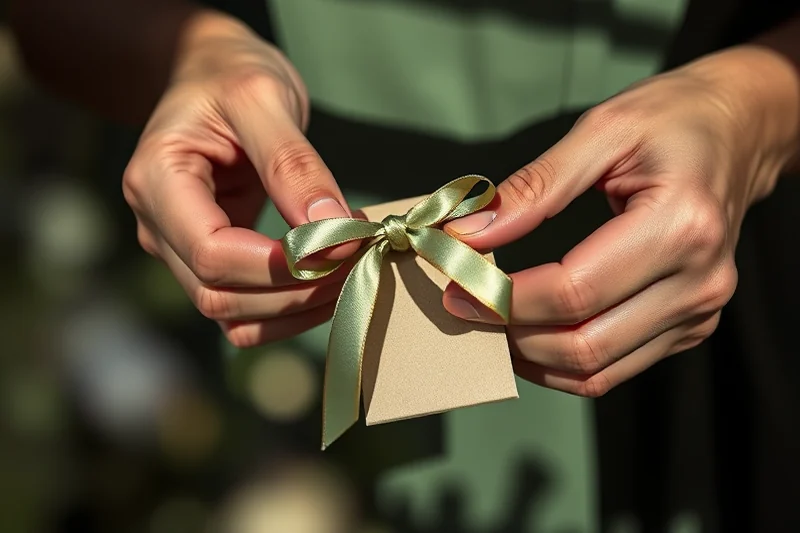
When I first started planning DIY parties, I didn’t factor in the cost of materials properly, and I ended up spending too much on one or two pieces. The lesson? Be specific. Break down your budget into categories: tableware, centerpieces, lighting, and signage. That way, you can allocate funds more effectively.
On average, a DIY party with 12 guests can be pulled off for around $120. That includes fabric, paint, balloons, and other decor items. You can find affordable alternatives at dollar stores, craft stores, or even by reusing items you already own. Think creatively—old wine bottles can become candle holders, and fabric scraps can be turned into table runners.[1]
Another tip: purchase in bulk when possible. For example, buying rolls of twine or fabric in advance can save money and help you create multiple decor items. Always set a budget cap and stick to it, even if it means simplifying your vision.
A little planning can make a big difference in both cost and quality.
Related: Diy party decor themes printable
Related: Budget diy party decor decor
Related: Best Diy Party Decor Games Activities
Related: Simple diy party decor decor
Related: Diy party decor themes ideas
Related: Diy Party Decor Budget Guide
Related: Best Jackbox Party Pack
Related: Diy Party Decor Planning Checklists Timelines For Small Spaces
Related: Diy Party Decor Games That Actually Work
Related: Best Diy Party Decor
Related: Halloween Coloring Sheets
Related: Cheap Christmas Party Decorations
Related: What Is House Decor
Related: What Is A Door Decor
Related: How To Diy Party Decor Themes Decor
Related: Best Diy Party Decor Themes
Related: Best Party Decor
Related: Halloween Costumes For Girls 10 12
Related: Best Diy Party Decor Themes Decor
Related: Is School Party Craft
Creating a Cohesive Color Palette
Color is one of the easiest ways to influence the mood of your space. For a romantic dinner party, deep reds and golds can create a warm, intimate feel. For a summer picnic, soft pastels like mint green and lavender are perfect. The key is to choose a primary color and then build around it with complementary accents.
I once created a blue and white coastal-themed party using only fabric, paint, and sea glass. The result was a space that felt fresh and inviting, and many guests commented on how much they loved the color scheme. Don’t be afraid to experiment—your chosen palette should make you feel excited and comfortable.
Use online tools like Adobe Color or Color Hunt to find color combinations that work well together. Once you have a palette, make sure all your decor elements—table linens, lighting, centerpieces—match or complement it. This will make your space feel more intentional and polished.
Always check how your chosen colors look under the lighting conditions of your space. A color that looks great in a store may appear different in your home under dim or daylight conditions.
“I remember the first time I hosted a party with DIY decor.”— Decorbyhand editors
Related: Diy Party Decor Invitations Guide
Related: Simple Diy Party Decor Themes Decor
Related: Quick Diy Party Decor Themes
Related: Diy Party Decor Games Checklist
Related: Diy Wall Art Ideas
Related: Decorating For A Party Ideas
Related: Christmas Party Decorations Comparison
Lighting and Ambiance
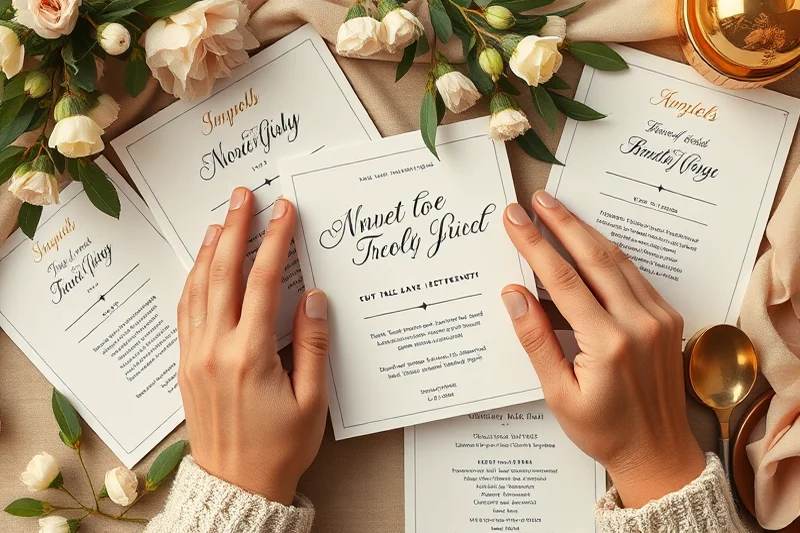
Lighting is often an overlooked but crucial element of DIY party decor. Soft, warm lighting can make a space feel more intimate, while bright, cool lighting can create a more energetic vibe. I’ve found that using string lights, candles, and even fairy lights can be both affordable and effective.
For a rustic event, I once used mason jars filled with candles and hung them along the walls for a cozy glow. For a more modern look, I used LED strips under the table to create a subtle, elegant effect. You don’t have to go all out—small touches can make a big impact.
Also consider the placement of your light sources. Avoid harsh overhead lighting, and instead use table lamps, floor lamps, or even lanterns to create a layered, inviting feel. Lighting is your tool for setting the tone of your party, so use it wisely.
Related: Diy Party Decor Food Guide
Adding Personal Touches to Your Decor
Nothing says ‘I put my heart into this’ quite like a hand-painted sign or a custom tablecloth. These small, personal details can make your DIY decor feel more authentic and meaningful. I once created a sign for my sister’s birthday that read, “30 Years of Magic,” and it was one of the most beloved pieces of decor at the event.[2]
Think about incorporating personal photos, handmade crafts, or even a piece of art from your home. These items add a unique, personal touch that can’t be found in any store. They also help create a space that feels more like an extension of your home rather than a generic party venue.
Don’t underestimate the power of a handwritten note or a small gift for your guests. I once included a mini thank-you card with a custom illustration for each guest, and many of them kept it long after the party. These little details can improve your event from good to unforgettable.
💰 Budget-Friendly Party
Create a memorable event without breaking the bank by using secondhand materials, DIY centerpieces, and creative lighting.
🏠 Small-Space Party
Maximize a small space with vertical decor, foldable furniture, and minimalist DIY elements that don’t overwhelm the room.
🌳 Outdoor Party
Transform your backyard or garden with weather-resistant decor, natural elements, and lighting that blends with the outdoors.
🍷 Grown-Up Version
Refine your decor with elegant, mature themes using neutral colors, classic furniture, and subdued lighting for an adult-oriented event.
😴 Low-Effort Party
Simplify your DIY decor with pre-made kits, easy-to-assemble items, and minimal setup for a stress-free event.
| The mistake | Why it happens | The fix |
|---|---|---|
| Using too many different colors or styles in your decor | This can make your space feel cluttered and unfocused, especially if your theme is not clearly defined. | Stick to a cohesive color palette and choose a few key elements that represent your theme. |
| Overlooking lighting and ambiance | Even the best decor can be ruined by poor lighting that doesn’t match the mood of your event. | Invest time in planning your lighting—choose warm or cool tones based on the atmosphere you want to create. |
| Ignoring the comfort of your guests | Decor should enhance the experience, not overwhelm it. Too much can make your guests feel uncomfortable or distracted. | Balance your decor with open spaces, comfortable seating, and minimal clutter to ensure your guests feel at ease. |
| Not testing your decor in your space beforehand | A decor piece that looks great in a store may not work in your home due to lighting, size, or layout differences. | Always test your decor in your space before the event. Adjust placement and materials as needed to ensure everything looks its best. |
Diy Party Decor Themes Decor Guide
Common Questions
How can I create a cohesive theme on a small budget?
What are some quick DIY decor ideas for a last-minute party?
How do I choose the right lighting for my event?
Can I use found or recycled materials for my DIY decor?
References
- (PDF) EVENTS-DECORATOR - Academia.edu (academia.edu)
- Birthdays & Showers - City of Auburn (auburnal.gov)
- Birthday Party Packages - City of Chandler (chandleraz.gov)
- Commencement Party Kit - Carnegie Mellon University (cmu.edu)
Cite this guide
Decorbyhand (2026). Diy Party Decor Themes Decor Guide. https://decorbyhand.com/diy-party-decor-themes-decor-guide/
Feel free to cite or share this guide.