
What Is House Decor
📖 Table of Contents
I remember the first time I hosted a dinner party that felt truly ‘decorated’ — not just because of the candles and tablecloths, but because every detail told a story. That evening, I learned that house decor isn’t just about aesthetics; it's about creating an environment that invites people to feel at home, whether they’re regulars or strangers. It’s the way the light falls across the room, the texture of the cushions, or the subtle scent of a particular candle. These are the things that make a space not just livable, but memorable.[1]
House decor is the invisible thread that connects the design of a space to the emotions it evokes. I’ve hosted everything from small coffee meetups to larger, more formal events. I’ve learned that the right decor can transform even the most basic room into something that feels intentional and warm. It’s not just about what you put in a room — it’s about how you arrange it, what you choose to leave out. The balance between function and form that makes everything feel just right.
What is house decor, really? It’s the cumulative effect of every element in a space, from the colors on the walls to the way the furniture is arranged. I’ve tried countless techniques over the years — from repurposing old items to buying new ones — and I’ve found that the best results come from a mix of intention and experimentation. Whether you're planning a party or just trying to make your home feel more like you, understanding what house decor truly means can make all the difference.
Why You'll Love This Guide to House Decor
- It gives you a clear, practical understanding of how to design any space, whether for a party or everyday living.
- It helps you avoid costly mistakes by showing you common pitfalls and how to fix them.
- It offers real-life examples and tips that work for a variety of spaces and budgets.
- It encourages creativity by showing how small changes can have a big impact on the feel of a room.
What Is House Decor, Really?
As of September 2026, House decor is often misunderstood as a purely visual endeavor, but it's much more than that. It's about creating an environment that supports the intended use of a space, whether that's hosting, relaxing, or entertaining. I’ve learned that the best decor doesn’t just look good — it feels good, and it makes a space usable and inviting.
One of the most important things about house decor is that it should reflect the people who live in or use the space. That doesn’t mean it has to be perfect — in fact, it often feels more authentic when it’s slightly imperfect, with a few well-chosen items that tell a story. I’ve noticed that the rooms I host in that feel most ‘decorated’ are the ones where the decor feels like a natural extension of who I am.
House decor also has to do with balance — between colors, textures, and function. I’ve made the mistake of over-decorating a room, making it feel cluttered and overwhelming. The key is to layer carefully, choosing pieces that complement each other and serve a purpose. This is where the real magic happens.
Begin with one or two key pieces that define the mood of the room, and gradually add more over time. This prevents overwhelm and allows for more thoughtful choices.
Part of our Diy party decor guide.
The Role of Color in House Decor
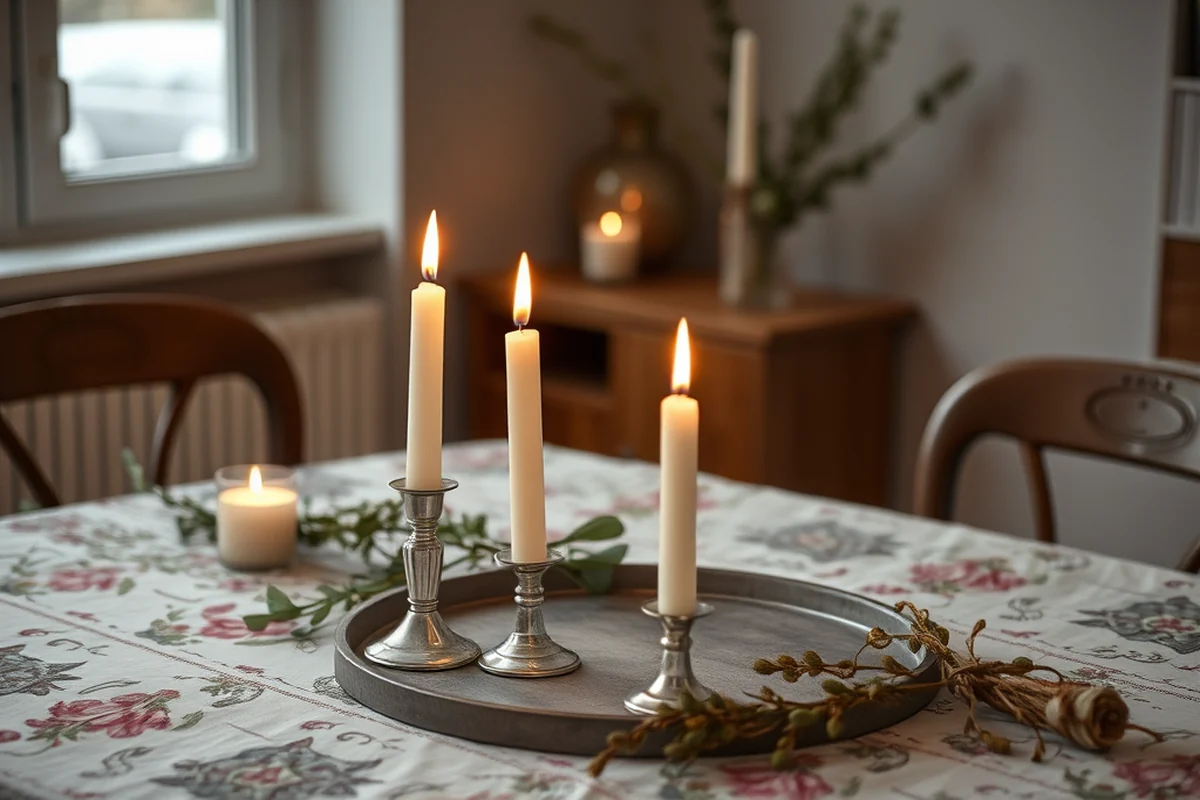
I’ve experimented with different color schemes over the years and learned that the right colors can transform a space. Warm tones like amber and terracotta create a cozy atmosphere, while cool tones like blue and green evoke a sense of calm. For a party, I’ve found that using a single dominant color with contrasting accents can make a room feel both inviting and visually interesting.
I once painted a living room in a deep navy blue for a dinner party, and the effect was incredible — it felt like a luxury suite without the cost. The contrast between the bold wall color and the soft, neutral furniture made the space feel more dynamic. I’ve also found that using color to create zones in a larger space can make it feel more organized and purposeful.
Color is one of the easiest and most impactful ways to change the mood of a room. Whether you're hosting a party or just trying to make your home feel more personal, the right color choices can make all the difference.
Color is the silent language of a room — speak it fluently.
Related: Affordable christmas party decorations
The Power of Texture in House Decor
Texture is one of the most overlooked aspects of house decor, but it can make a huge difference in how a space feels. Mixing different textures — like the softness of a wool rug against the smoothness of a leather chair — can create a more dynamic and inviting environment. I've found that using a variety of textures helps to break up a space and make it feel more intentional.
I once used a combination of velvet, linen, and wood in a guest room, and the result was stunning. The contrast between the soft velvet curtains and the rough-hewn wooden frame gave the room a sense of balance and sophistication. Texture also plays a role in comfort — a plush throw or a well-worn blanket can make a space feel more welcoming and lived-in.
Adding texture doesn’t have to be expensive. I’ve used old scarves, repurposed fabric, and even natural materials like dried flowers and shells to create a sense of depth and interest. It’s all about layering and mixing different materials to create a more tactile and engaging space.
Combine smooth, rough, soft, and rigid textures to create a more dynamic and visually interesting space. This adds depth and makes the room feel more alive.
“I remember the first time I hosted a dinner party that felt truly ‘decorated’ — not just because of the candles and tablecloths, but because…”— Decorbyhand editors
Related: Kiss party decorations for beginners
Lighting and Its Impact on House Decor
Lighting is often the overlooked hero of house decor. I’ve learned that the right lighting can transform a room from feeling flat and lifeless to warm and inviting. Natural light is ideal, but when that's not an option, the right combination of ambient, task, and accent lighting can make all the difference.
I once used a combination of soft lamps, string lights, and candles during a dinner party, and the effect was magical. The lighting created a cozy, intimate atmosphere that made the guests feel at ease. I’ve also found that using lighting to highlight specific features — like a piece of art or a bookshelf — can draw attention and add visual interest to a room.
Choosing the right lighting fixtures depends on the space and the event. For a more formal setting, I prefer clean, modern lighting with minimal embellishment. For a casual gathering, I lean toward more whimsical options like fairy lights or lanterns. Lighting isn't just functional — it's an essential part of the decor story.
Related: Essential backyard party decor ideas
The Importance of Function in House Decor
One of the most important lessons I've learned is that house decor must serve a purpose. A beautifully arranged room that doesn’t function well can quickly become a source of frustration. I’ve made the mistake of choosing decor that looked great but didn’t work for the space — like a table that was too large for the room or a rug that was too slippery underfoot.
I now prioritize functional decor — choosing pieces that are not only stylish but also practical. For example, I love using modular furniture that can be rearranged for different events, or using storage solutions that keep the space tidy while looking good. When hosting, I’ve found that having enough seating, clear pathways, and usable surfaces is more important than any number of decorative items.
Function and form can coexist beautifully. I’ve learned that the best decor is the one that feels effortless — where everything has a purpose and nothing is there just for show. This is the kind of decor that makes a space feel both beautiful and livable.
Related: Diy party decor for beginners
Personalizing Space Through House Decor
I’ve found that the most successful house decor comes from personalization. Whether it's through art, photographs, or unique finds, adding personal touches makes a space feel more alive and meaningful. I’ve hosted events where the decor was so personal that guests felt like they were stepping into a friend’s home — warm, familiar, and welcoming.
One of my favorite ways to add personality is by incorporating items that tell a story — like a vintage travel mug from a trip, or a handmade piece of art from a local artisan. These items add character and make the space feel more authentic. I’ve also found that using personal memories as inspiration for decor can create a more emotional connection with the space.
Personalization doesn’t have to be expensive. I’ve used things like old books, family photos, and even handmade crafts to add a personal touch to a room. The key is to choose items that reflect who you are and what you love — this is how you create a space that feels truly yours.
A space that reflects your story is a space that feels like home.
Related: Essential christmas party decor
Budget-Friendly House Decor Tips
I’ve spent years experimenting with budget-friendly house decor, and I’ve learned that it’s entirely possible to create a beautifully decorated space without breaking the bank. One of the best ways to do this is by repurposing items you already have — like using old fabric for a new pillow cover or turning an old ladder into a stylish bookshelf.
I’ve also found that shopping secondhand is a great way to find unique, affordable decor. Thrift stores, flea markets, and online marketplaces are full of hidden gems that can be transformed with a little creativity. I once bought a vintage mirror for less than $20 and hung it in a bathroom, and it became one of the room’s standout features.[2]
With budget-friendly house decor, it’s all about being resourceful and creative. I’ve learned that the most beautiful spaces are often the ones that were created with love, not money. It’s about making thoughtful choices that reflect your personality and needs — not about buying the most expensive items.
💰 Budget-Friendly Party
Create a cozy, inviting atmosphere using items you already own or find at a low cost.
🛋️ Small-Space Decor
Maximize every inch with clever storage and decor that adds charm without overcrowding the space.
🌳 Outdoor Gathering
Bring the decor outside with natural elements and weather-resistant items that still feel stylish and welcoming.
🍷 Grown-Up Version
Opt for a more refined, elegant look with timeless pieces that create a mature and sophisticated vibe.
🪑 Low-Effort Decor
Choose minimal but impactful decor that requires little work to set up and maintain.
| The mistake | Why it happens | The fix |
|---|---|---|
| Ignoring the function of a space when choosing decor. | Even the most beautiful decor can fail if it doesn’t serve the intended purpose of the space, like leaving no room to move or making it difficult to use the furniture. | Always consider the function of the space when choosing decor. Choose pieces that are both stylish and practical, and ensure there’s enough space for movement and use. |
| Over-decorating a room with too many items. | Too many decorative elements can make a space feel cluttered and overwhelming, which can be off-putting for guests or even stressful for the host. | Keep the decor simple and focused on a few key pieces. Use layering to add interest without overcrowding the space. |
| Using only one type of texture or material. | Spaces that use only one type of texture or material can feel flat and lifeless, lacking the depth and interest that multiple textures can provide. | Mix different textures and materials to add depth and visual interest to the space. Combining soft, rough, smooth, and rigid textures can create a more dynamic and engaging environment. |
| Neglecting the importance of lighting. | Poor lighting can make even the most beautifully decorated space feel dull and lifeless. Lighting affects both the mood and functionality of a room. | Choose the right lighting for the space and the event. Use a combination of ambient, task, and accent lighting to create a warm, inviting atmosphere. |
What Is House Decor
Common Questions
How can I make my small space feel more decorated?
What’s the best way to start decorating a new room?
Can I use the same decor for both casual and formal events?
How do I avoid over-decorating a room?
References
- Sarah Alice Mayfield Rice Oral History Interview | Harry S. Truman (trumanlibrary.gov)
- Decorative Elements (depts.washington.edu)
Cite this guide
Decorbyhand (2026). What Is House Decor. https://decorbyhand.com/what-is-house-decor/
Feel free to cite or share this guide.