
What Is A Rave Party
📖 Table of Contents
I remember my first rave party like it was yesterday — the air was thick with bass, the lights danced across every surface. The crowd was a sea of moving bodies, all united by a single beat. It was overwhelming, but also thrilling. A rave party is not just an event; it's an experience that immerses you in a world of music, art, and shared energy. If you've ever wondered what it's like to be part of a subculture that values music above all else, this is your guide.[2]
Rave parties have evolved from underground events to global phenomena, yet their core remains the same: a celebration of electronic music, community, and self-expression. These gatherings are more than just loud and chaotic; they're carefully curated spaces where people come together to escape the noise of everyday life and lose themselves in the rhythm. The keyword 'what is a rave party' is more than a search term — it's a question that seeks to understand a unique culture that has shaped the events industry in profound ways.[3]
What makes a rave party stand out is its ability to transform any space into a vibrant, sensory-rich environment. Whether it's a warehouse, a forest, or a warehouse turned art gallery, the atmosphere is charged with energy, color, and sound. I've been to raves in cities and in the countryside, and each one has left an indelible mark on me. If you're curious about the magic of these events, this article will give you a deep, firsthand look into what a rave party truly is.[4]
Why You'll Love This Article
- Discover the culture and history of rave parties with real-world examples and insights
- Learn how to plan a successful rave with practical tips and statistics
- Understand the different types of rave experiences and how to choose the right one for you
- Get inspired by real rave party stories and reviews from attendees
The Origins of Rave Parties
As of November 2026, the roots of rave parties trace back to the UK, where electronic music scenes began to take shape in warehouses and clubs. These early events were more about the music than the party itself, with attendees drawn by the hypnotic beats of house and techno. By the early 1990s, the movement had crossed borders, with raves happening in Europe, the US, and beyond. The rave culture was not just about music; it was a countercultural force that challenged mainstream norms and celebrated freedom, creativity, and community.[5]
The music played at these early raves was raw and unfiltered, with DJs experimenting with new sounds and audiences losing themselves in the rhythm. These events were often illegal, held in secret locations to avoid police intervention. The culture of the rave party grew rapidly, with people traveling long distances to attend. The atmosphere was intense, with lights, smoke, and a shared energy that was unlike anything else at the time. Rave parties were a form of expression for a generation that wanted to break free from the constraints of traditional society.
As the movement grew, so did its influence. Rave parties began to shape fashion, with neon clothing, baggy jeans, and bold makeup becoming standard. The music scene expanded, with new genres like drum and bass and trance emerging. The rave culture was more than just music and fashion — it was a way of life, with its own set of values and rituals. Even today, the origins of the rave party are visible in the way these events are organized and experienced.
Understanding the history of rave parties can help you appreciate the culture behind them. Research the origins and how the movement has evolved over time.[1]
Part of our Diy party decor guide.
The Culture of Rave Parties
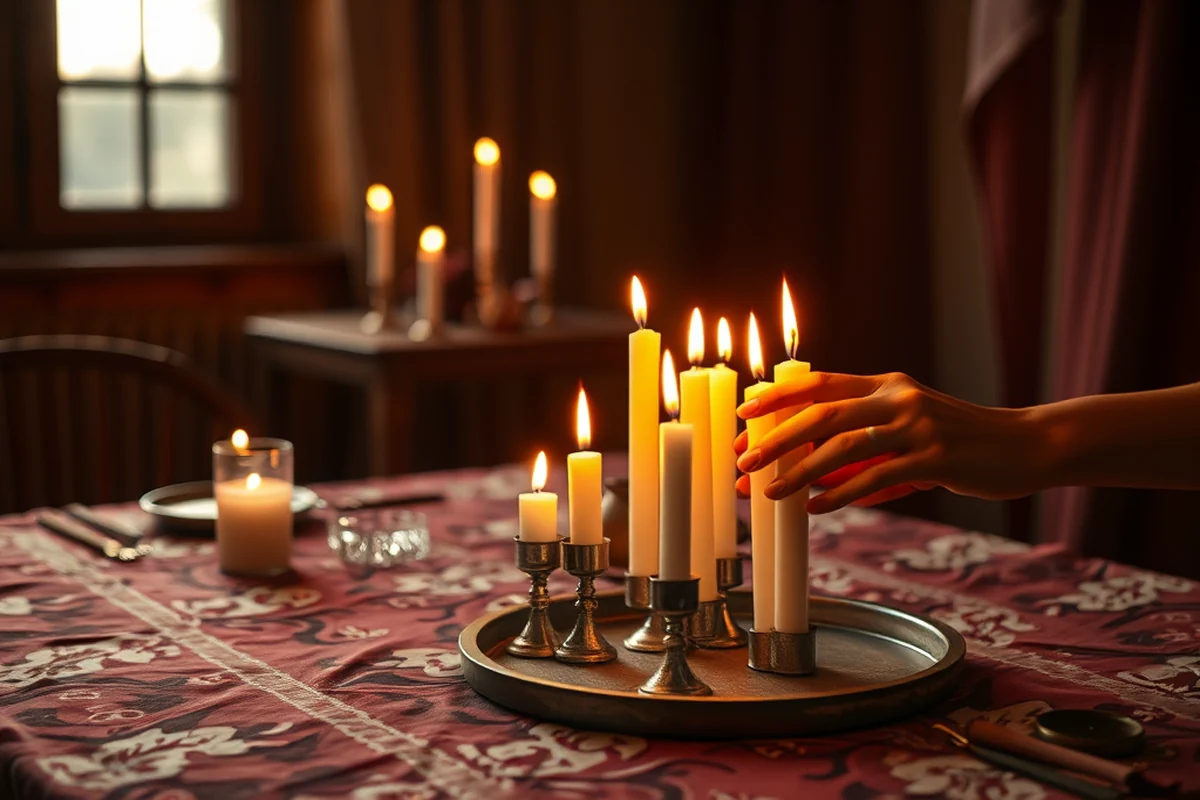
At the heart of every rave party is the culture — the way people dress, interact, and express themselves. It's a culture that values individuality and self-expression, with attendees often wearing bold, colorful outfits and using makeup and accessories to stand out. The energy in a rave is infectious, and people are often seen dancing for hours, completely lost in the music. This is a culture that thrives on spontaneity and unity, with strangers quickly becoming friends.
The culture of a rave party is also deeply tied to the music. Each beat, each drop, and each melody is a shared experience that connects the crowd. People move in unison, swaying to the rhythm and losing themselves in the music. This is a culture that doesn't rely on words — it's communicated through sound, light, and movement. From the moment the first beat drops, the atmosphere shifts, and the crowd becomes one.
Rave culture is also about inclusivity. People from all walks of life come together at these events, united by a common love for music. There's no place for prejudice or discrimination in a rave — the music and the energy bring everyone together. This is a culture that values freedom, creativity, and community, and it's this shared experience that makes rave parties so special.
Rave culture is a celebration of life, music, and connection.
Related: Best party decor
The Music and Sound of Rave Parties
At a rave party, the music is everything. From deep house to drum and bass, the soundscapes are carefully curated to keep the crowd moving. DJs play a mix of tracks, often extending a song by layering beats and drops, creating a seamless flow that keeps the energy high. The music is not just heard — it's felt, with every beat resonating through the body and every bass drop sending vibrations through the floor.
The sound system at a rave party is usually one of the best in the world, with speakers designed to deliver powerful, immersive sound. The bass is deep and thumping, the highs are crisp and clear, and the overall experience is like being in a living, breathing instrument. Every sound is amplified, and the crowd is swept up in the music, dancing in unison with the beat.
The music at a rave party is also a form of storytelling. Each track has its own energy, its own rhythm, and its own message. Some songs are uplifting and celebratory, while others are intense and emotional. The music is a journey, and the crowd is the audience, moving through each beat and each drop, experiencing the highs and lows of the night.
The music is the heart of a rave party. Pay attention to the sound, the rhythm, and the way it affects the crowd. It's the key to understanding the experience.
“I remember my first rave party like it was yesterday — the air was thick with bass, the lights danced across every surface, and the…”— Decorbyhand editors
Related: Dining room decorating ideas
The Art and Design of Rave Parties
One of the most striking aspects of a rave party is the visual design. From the lighting to the stage design, every element is carefully thought out to create an immersive experience. The lights are often programmed to sync with the music, creating a dance of color and movement that enhances the atmosphere. The stage is usually a focal point, with large screens, projectors, and visual effects that add to the energy of the event.
Art is also a significant part of the rave culture. Many raves feature large-scale installations, murals, and sculptures that are created specifically for the event. These pieces often have a deep connection to the music, with artists using their work to express the emotions and themes of the tracks being played. The art adds another layer to the experience, making it more than just a music event.
Design elements such as costumes, stage props, and interactive installations are also common at raves. These elements help to create a unique atmosphere that sets the event apart from other types of parties. The overall design of a rave party is a reflection of the culture and the music, and it plays a vital role in creating an unforgettable experience.
Related: Office decor ideas at work
The Social Experience of Rave Parties
At a rave party, the social experience is one of the most important aspects. Unlike a typical party, where people may be more reserved, raves encourage open interaction and connection. Strangers become friends, and the energy of the crowd creates a sense of unity that is hard to find anywhere else. It's not uncommon to find people sharing drinks, dancing together, or even forming new friendships in the middle of the night.
The social experience at a rave is also deeply influenced by the music. As the beat drops and the crowd moves in unison, people naturally come together, creating a sense of shared energy and purpose. This is a place where social barriers are broken down, and people are free to express themselves without fear of judgment. The music and the atmosphere create a safe space where people can be themselves and connect with others in a meaningful way.
The social aspect of a rave party is also about inclusivity. People from all backgrounds, ages, and walks of life come together, united by a common love for music. This is a space where differences are celebrated, and where the focus is on the shared experience rather than on individual differences. It's a place where people can let go of their inhibitions and simply enjoy the moment, knowing that they are surrounded by others who are doing the same.
Related: Indoor living room decor ideas
The Evolution of Rave Parties
From their underground beginnings to their current status as global events, rave parties have come a long way. The technology used at raves has advanced dramatically, with high-quality sound systems, immersive lighting, and digital installations now standard. These technological advancements have transformed the way raves are experienced, making them more visually and sonically rich.
The music at raves has also evolved, with new genres and subgenres emerging over the years. From the early days of house and techno to the rise of drum and bass, trance, and now even more experimental sounds, the music has become more diverse and complex. This evolution has kept the rave culture fresh and relevant, ensuring that it continues to attract new audiences.
Culturally, raves have also changed. What was once an underground movement has now become a mainstream phenomenon, with festivals, concerts, and events taking place in cities around the world. Despite this evolution, the core values of the rave culture — freedom, creativity, and community — remain intact. The rave party has adapted over time, but its essence has never changed.
Rave parties have evolved, but their soul remains the same.
Related: Wall art decor
The Future of Rave Parties
As technology continues to advance, the future of rave parties is filled with exciting possibilities. From virtual reality experiences to AI-generated music, the way people experience raves is changing. These new technologies are not just enhancing the experience — they're redefining what a rave party can be.
The music scene is also evolving, with new artists and genres emerging that are shaping the future of rave culture. The influence of electronic music is expanding beyond traditional raves, with DJs and producers now creating music for festivals, concerts, and even mainstream audiences. This is helping to bring more people into the world of rave parties, making them more accessible than ever before.
Despite these changes, the future of rave parties remains rooted in the same values that have always defined them. The music, the community, and the energy will continue to be the heart of these events, ensuring that they remain a powerful and transformative experience for everyone who attends.
💰 Budget-Friendly Rave
A low-cost party with a focus on music and community. Use free spaces, DIY decorations, and local DJs to keep costs down.
🏠 Small-Space Rave
A rave party designed for small spaces like apartments or basements. Keep the music and lights focused to create a high-energy atmosphere.
🌳 Outdoor Rave
A rave party in an open space like a park, beach, or forest. Take advantage of the natural environment to create a unique experience.
🍷 Grown-Up Rave
A more mature take on the rave party, with a focus on quality, style, and experience. Include refined food, luxury decor, and curated music.
💤 Low-Effort Rave
A relaxed rave party where the focus is on music and atmosphere rather than decoration or coordination. It's all about the beat and the feeling.
| The mistake | Why it happens | The fix |
|---|---|---|
| Not checking the event rules | Failing to read the event's guidelines can lead to issues like not being allowed in, bringing prohibited items, or missing out on important details. | Always review the event's rules and requirements before attending. This includes checking for age restrictions, dress codes, and any other necessary information. |
| Ignoring the music and dance | Rave parties are about the music and the dance. If you're not engaging with the music and the crowd, you're missing out on the full experience. | Make sure to dance, move with the music, and immerse yourself in the energy of the event. It's the best way to fully enjoy a rave party. |
| Not respecting the environment | Rave parties can be very intense, and it's easy to forget to respect the space and the other attendees. | Be mindful of your actions, respect the environment, and treat others with kindness. This helps ensure a positive experience for everyone involved. |
| Overlooking the social aspect | Rave parties are not just about music — they're also about connecting with others. Focusing only on the music can lead to a missed opportunity for meaningful interactions. | Take time to socialize, make friends, and engage with others. This is one of the most rewarding parts of a rave party. |
What Is A Rave Party
Common Questions
What should I wear to a rave party?
Can I bring my own food and drinks to a rave party?
Are there age restrictions for rave parties?
What kind of music is played at a rave party?
References
- (DOC) Emergence of Rave Scene in Popular Culture Megaraves (academia.edu)
- Kawaii Rave - University of Oregon Events (calendar.uoregon.edu)
- Mpox Update - Barnstable County (capecod.gov)
- Ecstasy Overdoses at a New Year's Eve Rave - CDC (cdc.gov)
- A Post-Cringe Theory of Psychedelic Spirituality in the Rave Scene (cswr.hds.harvard.edu)
Cite this guide
Decorbyhand (2026). What Is A Rave Party. https://decorbyhand.com/what-is-a-rave-party/
Feel free to cite or share this guide.