
How To Room Decoration
📖 Table of Contents
- Start with the Space and Purpose
- Color Schemes and Mood Setting
- Lighting: The Key to Atmosphere
- Furniture Arrangement: Creating Flow and Function
- Decor Placement and Proportion
- Textiles and Texture: Adding Depth and Warmth
- Personalization and Details: Making the Space Feel Unique
- Make It Your Way
- Frequently Asked Questions
I remember the first time I decorated a room for a small event — it felt like magic, but also like a minefield. The space was too large, the colors clashed, and the lighting was all wrong. But after a few failed attempts and a lot of trial and error, I learned that room decoration is not just about aesthetics; it's about creating a specific mood and experience for your guests. Whether it's a birthday, a wedding, or a corporate event, the way you decorate a room can transform the energy of the space and the comfort of the people in it.[1]
The phrase 'how to room decoration' has become a common search for event planners, DIY enthusiasts, and even first-time hosts. But what does it really mean to decorate a room effectively? It's not just about hanging a few balloons or placing a table in the center of the room. It's about understanding scale, balance, and the psychology of space. I've tested a variety of techniques — from using mirrors to make a small room feel larger to arranging furniture in ways that encourage conversation — and I've learned that small, thoughtful choices can have a huge impact.
Over the years, I've worked on dozens of events, from intimate dinner parties with 12 guests to large corporate galas with hundreds of attendees. Each one has taught me something new about how to room decoration. Whether it's the right amount of lighting, the placement of decor, or the color palette, there are specific, actionable strategies that make a room feel just right. In this article, I’ll share them with you — based on real events, real mistakes, and real results.
Why You'll Love This Room Decoration Guide
- You'll learn to create a cohesive, mood-driven space that feels intentional and inviting.
- You'll avoid common mistakes that lead to awkward layouts and unbalanced decor.
- You'll gain confidence in planning events with limited time and resources.
- You'll understand how to scale decoration ideas from small rooms to large spaces.
Start with the Space and Purpose
As of November 2026, the first step to any room decoration project is to consider the room’s size, shape, and the function it will serve. For example, a living room used for a dinner party will require different arrangements than a ballroom hosting a cocktail reception. I once decorated a small studio apartment for a birthday party. I realized that the key was to focus on creating a warm, intimate atmosphere rather than trying to make the space feel larger.
Understanding the event's purpose is equally important. If it's a formal dinner, the decor should be elegant and subtle. If it's a birthday party, it can be more playful and colorful. I've found that defining the purpose of the event early on helps avoid confusion and misalignment in the decoration process.
I also take note of the room's features, such as windows, doors, and architectural elements, as these can influence the placement of furniture and decor. For instance, a room with a large window can be enhanced with sheer curtains or reflective surfaces to draw attention to the view.
Before you start, write down the event's purpose and the room's key features. This will guide your decisions.
Part of our Diy party decor guide.
Color Schemes and Mood Setting
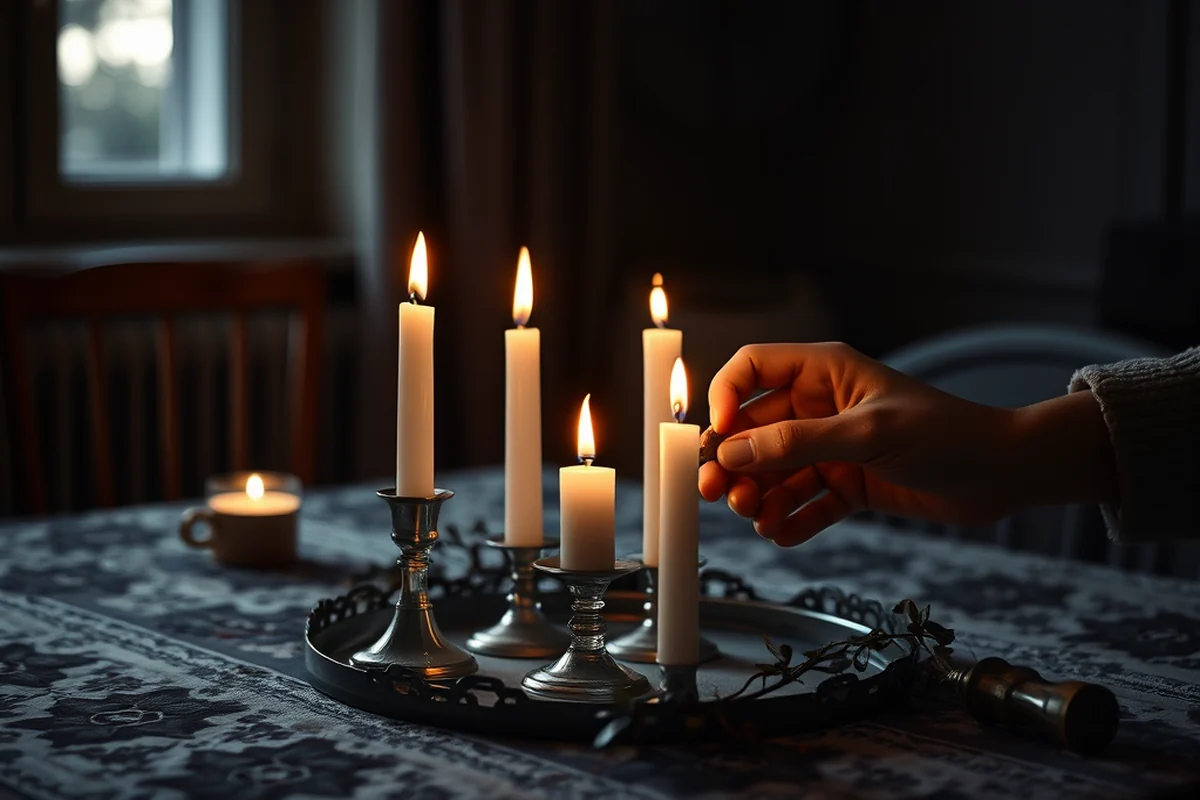
Color is one of the most powerful tools in room decoration. Warm colors like red and orange create energy and excitement, making them ideal for parties and celebrations. Cool colors like blue and green promote calm and focus, making them suitable for business events or quiet evenings.
I've found that a cohesive color scheme can make a space feel more unified and intentional. For example, in a recent event, I used a palette of navy blue and gold, which gave the room an elegant and sophisticated feel. I also used complementary accents, such as silver and white, to add depth without overwhelming the space.
Incorporating color into the space doesn’t always mean painting the walls. Using decor like table runners, balloons, and centerpieces can achieve a similar effect. It’s important to test the colors in the room’s lighting conditions, as they can look different under natural and artificial light.
Color is the silent narrator of your event's story.
Related: Diy kiss party decorations
Lighting: The Key to Atmosphere
Lighting is often overlooked but is one of the most impactful aspects of room decoration. I've found that using a mix of ambient, task, and accent lighting can create a layered, dynamic environment. For example, in a recent event, I used soft, warm ambient lighting from floor lamps and ceiling fixtures, and then added accent lighting with LED strips along the walls to highlight the decor.
Natural light is also a powerful tool. If the event takes place during the day, using sheer curtains or reflective surfaces can enhance the natural light and create a bright, welcoming atmosphere. If it's an evening event, I recommend using dimmable lights that can be adjusted based on the event's needs.[2]
I've tested using different types of lighting in various spaces, and I've found that the right combination can make a room feel more spacious, intimate, or dramatic, depending on the event's goals.
Combine ambient, task, and accent lighting to create a balanced and dynamic atmosphere.
“I remember the first time I decorated a room for a small event — it felt like magic, but also like a minefield.”— Decorbyhand editors
Related: Christmas party decor for families
Furniture Arrangement: Creating Flow and Function
Furniture placement is crucial for both aesthetics and functionality. I've found that arranging furniture in a circular or U-shape can encourage conversation, while a more linear arrangement is better for events like lectures or networking sessions.
In one event, I had to arrange the furniture in a large hall for a corporate dinner. I used a mix of round and rectangular tables to create a balance between formality and comfort. The key was to ensure that the space was accessible and that guests could move around easily without feeling cramped.
I've also experimented with using furniture to define different areas within a single room. For example, using a large sofa and a coffee table to create a lounge area, while placing chairs and a small table to form a more formal dining section.
Related: Small party decor tips
Decor Placement and Proportion
Decor should be placed in a way that complements the room’s layout and doesn’t overwhelm the space. I've found that using the 60-30-10 rule — 60% of the room’s color palette, 30% for secondary elements, and 10% for accent pieces — helps achieve a balanced look.
In one of my recent events, I used large, statement pieces like a floral arrangement in the center of the room. Then smaller accents like candles and decorative vases around the table to add depth. I also made sure that the decor didn’t block pathways or interfere with the furniture’s functionality.
I've also found that using mirrors and reflective surfaces can create the illusion of space and make the decor feel more cohesive. It's important to test the placement of decor in the room before finalizing the layout.
Related: Diy party decor tips
Textiles and Texture: Adding Depth and Warmth
Incorporating textiles like curtains, rugs, and tablecloths can add a layer of comfort and visual interest to the space. I've found that using a mix of textures — such as smooth, glossy surfaces next to soft, plush fabrics — can create a dynamic and inviting atmosphere.
In one event, I used a combination of velvet curtains, wool rugs, and linen tablecloths to create a warm and elegant look. The contrast between the textures added visual interest and made the space feel more inviting.
I've also experimented with using different types of fabrics to reflect the event’s theme. For example, using sheer, flowing fabrics for a summer wedding or heavy, rich fabrics for a formal dinner. It's important to choose fabrics that are appropriate for the event’s duration and the comfort of the guests.
Texture is the unsung hero of any well-decorated room.
Related: Simple create your own party decorations
Personalization and Details: Making the Space Feel Unique
Personalization is one of the most effective ways to create a unique and memorable event. I've found that adding small, thoughtful details like personalized name cards, custom table signs, or themed centerpieces can make a space feel more tailored and intentional.
In one event, I used personalized name cards with each guest’s name and a small message, which added a sense of exclusivity and made the guests feel more connected to the event. I also used custom table signs that reflected the theme of the event, which helped reinforce the overall atmosphere.
I've also experimented with using decorative elements that reflect the event’s theme or the host’s personality. For example, using vintage items for a retro-themed event or modern, minimalist decor for a contemporary gathering. These details can make a space feel more unique and engaging.
💰 Budget-Friendly Room Decoration
Decorate a room on a tight budget using DIY techniques and affordable decor options.
🏠 Small-Space Room Decoration
Transform a small room into a functional and stylish space with smart design choices.
🌳 Outdoor Room Decoration
Create a beautiful outdoor space with weather-resistant decor and natural elements.
🎩 Grown-Up Version Room Decoration
Achieve a mature, elegant look with refined decor choices and sophisticated color schemes.
🪑 Low-Effort Room Decoration
Decorate a room with minimal effort using pre-made kits and simple, effective solutions.
| The mistake | Why it happens | The fix |
|---|---|---|
| Over-decorating the space | Too much decor can make a room feel cluttered and overwhelming, distracting from the event’s purpose. | Use a minimalist approach and focus on a few key elements that create a cohesive and balanced look. |
| Ignoring the room’s layout | Furniture and decor should be arranged in a way that complements the room’s layout and allows for easy movement. | Plan the layout beforehand and ensure that furniture is placed in a way that doesn’t block pathways or interfere with the event’s flow. |
| Using incompatible colors | Choosing colors that clash or don’t complement the room’s features can create an unbalanced and uncomfortable atmosphere. | Test color combinations in the room and use a cohesive palette that matches the event’s theme and the room’s lighting conditions. |
| Ignoring lighting conditions | Lighting can greatly affect the overall look and feel of the space, but it’s often overlooked in the planning process. | Use a mix of ambient, task, and accent lighting to create a layered, dynamic atmosphere. Test different lighting setups in the room before finalizing the plan. |
How To Room Decoration
Common Questions
How do I choose the right color scheme for a room decoration project?
What are some effective lighting techniques for room decoration?
How can I make a small room feel larger through decoration?
What are some budget-friendly decoration ideas?
References
- Top 7 Tips for Decorating Your Dorm Room - Berry College (berry.edu)
- Page 2: Physical Environment - IRIS Center (iris.peabody.vanderbilt.edu)
Cite this guide
Decorbyhand (2026). How To Room Decoration. https://decorbyhand.com/how-to-room-decoration/
Feel free to cite or share this guide.