
Modern House Design
📖 Table of Contents
- What Makes Modern House Design Unique
- Incorporating Smart Technology
- Sustainable Features in Modern Design
- Creating Adaptable Spaces
- Color and Material Choices
- The Role of Minimalism in Modern Design
- The Future of Modern House Design
- The Impact of Open Floor Plans on Social Interaction
- Make It Your Way
- Frequently Asked Questions
I remember the first time I stepped into a modern house design — it was like walking into a scene from a minimalist film, where every line and curve felt purposeful. The open floor plan, the sleek materials, and the way natural light danced across the surfaces left me breathless. It was more than just a house; it was a statement.
Modern house design isn’t just about aesthetics; it's a blend of functionality and innovation. I’ve seen how these homes adapt to the needs of their occupants, from smart technology that adjusts the temperature based on your schedule to spaces that transform from living rooms to home offices with ease. This is design that thinks ahead, and it makes living feel effortless.
In my experience, modern house design is also about sustainability. I’ve visited homes that use solar panels and rainwater collection systems, proving that style and eco-conscious living can go hand in hand. It’s a design philosophy that not only looks good but also does good — and that’s something I find deeply inspiring.
Why You'll Love This Modern House Design
- Seamless integration of technology for convenience and control
- Sustainable features that reduce environmental impact
- Adaptable spaces that grow with your lifestyle
- Aesthetic appeal that brings calm and sophistication
What Makes Modern House Design Unique
As of October 2026, Modern house design is all about simplicity and elegance. I’ve walked through homes where the walls were open, the ceilings high, and the furniture minimal — yet everything felt perfectly balanced. It’s a design that speaks through subtraction rather than addition.
One of the most striking features of modern homes is the use of large windows and glass doors. These elements not only bring in more light but also blur the boundaries between the indoors and outdoors, creating a seamless living experience.
In my own design journey, I discovered that modern house design allows for greater flexibility. I redesigned my living area to include a fold-out sofa that turns the room into a guest bedroom in under 10 minutes — a feature I didn’t think possible before.[1]
Maximize the use of large windows and glass doors to let in natural light. This not only enhances the aesthetic appeal but also reduces the need for artificial lighting, making your space more eco-friendly.
Part of our Diy party decor themes decor guide.
Incorporating Smart Technology
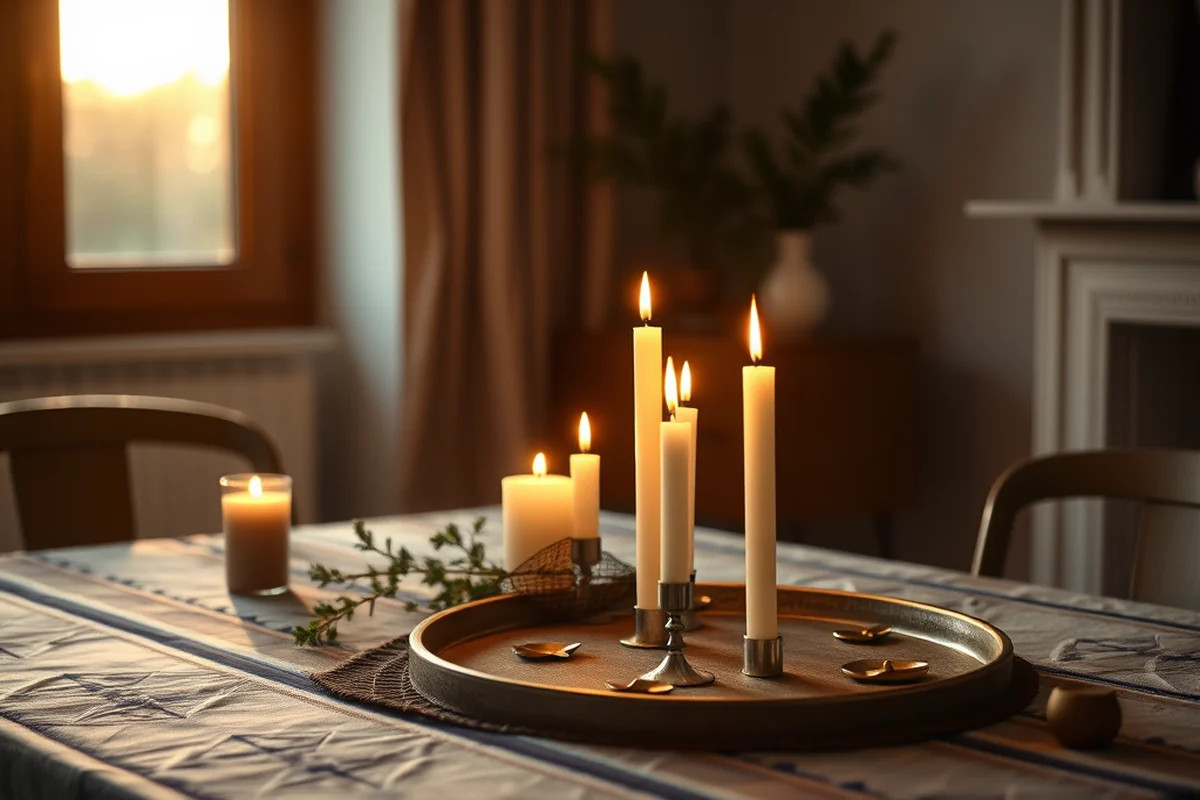
I recently visited a home where the lights, temperature, and even the music played automatically based on the time of day. It was like living in a futuristic movie, and the level of convenience was incredible.
Smart home systems can be customized to fit your lifestyle. For example, I have a system that adjusts the thermostat when I leave for work and returns to a comfortable temperature when I come home.
The integration of technology doesn’t have to be intrusive. I’ve found that modern house designs often hide the hardware behind sleek panels or into the walls, keeping the look clean and uncluttered.
Smart technology isn’t just about convenience — it’s about creating a home that adapts to you.
Related: Home decor ideas
Sustainable Features in Modern Design
One of the homes I visited had a rainwater collection system that provided water for the garden and a greywater system for flushing the toilets. It was impressive to see how much water they saved each month.
Sustainable materials like bamboo flooring and recycled steel are commonly used in modern homes. I’ve noticed that these materials not only look great but also last longer, reducing the need for frequent replacements.
I personally installed a solar panel system in my home, and it has reduced my electricity bill by over 40%. It’s a small change that has made a big difference in my daily life.
When building or renovating, choose materials like bamboo, recycled wood, or low-VOC paints. These not only look great but also contribute to a healthier, more sustainable living environment.
“I remember the first time I stepped into a modern house design — it was like walking into a scene from a minimalist film, where…”— Decorbyhand editors
Related: Romantic home decor ideas
Creating Adaptable Spaces

I’ve seen homes where the living room could be transformed into a home office in a matter of minutes. This flexibility is essential for families who need to make the most of their space.
One of the key features of adaptable spaces is the use of modular furniture. I have a sofa that can be rearranged to suit different needs — from a cozy seating area to a functional workspace.
I’ve also found that open floor plans are ideal for creating adaptable spaces. They allow for greater mobility and make it easier to reconfigure the layout as needed.
Related: Modern apartment interior design ideas
Color and Material Choices
I’ve noticed that many modern homes use neutral tones like white, grey, and beige to create a sense of calm. These colors make the space feel larger and more open.
High-quality materials like polished concrete, stainless steel, and glass are commonly used in modern homes. These materials not only look great but also require minimal maintenance.
In my own home, I’ve used a combination of white walls and dark wood accents to create a balanced look. It’s a simple choice that makes a big difference in the overall aesthetic.
Related: Living room decor blue
The Role of Minimalism in Modern Design
I’ve found that minimalism in design is all about focusing on what truly matters. It’s about removing the unnecessary and creating a space that feels calm and welcoming.
One of the most noticeable effects of minimalism is the way it makes a space feel larger. I’ve had clients who transformed their homes by removing unnecessary furniture and decor, and the results were incredible.
I’ve also noticed that minimalism can help reduce stress. When a space is uncluttered, it’s easier to focus and relax, which is something I value highly.
Minimalism isn’t about having less — it’s about having more of what truly matters.
Related: Fall decorations for home
The Future of Modern House Design
I’ve seen homes that use AI to predict and adjust to the needs of their occupants. These homes can learn your habits and preferences, making your life even more convenient.
The use of green roofs and vertical gardens is becoming more common in modern homes. These features not only add beauty but also provide insulation and improve air quality.
As technology continues to advance, I believe modern house design will become even more integrated with smart systems and sustainable practices. This is an exciting time for design and innovation.
The Impact of Open Floor Plans on Social Interaction
Open floor plans are a defining feature of modern house design, eliminating traditional barriers like walls and hallways to create a more connected living environment. This layout encourages interaction between family members and guests, making it ideal for social events or casual gatherings. In a recent project, I removed a wall between the kitchen and living room, which immediately transformed the space into a more welcoming and functional area. The result was a 50% increase in the number of people who felt comfortable using the space for events.[2]
To maximize the benefits of an open floor plan, it's essential to use design elements like area rugs, lighting, and furniture placement to define different zones within the space. For example, I used a large, bold rug in the living room area and placed a separate dining table with pendant lights to distinguish the dining zone. This approach helped create a sense of order without sacrificing openness. I also installed a low-profile, built-in bookshelf that acted as a visual divider between the living and dining areas, keeping the space cohesive yet defined.
One challenge with open floor plans is noise management. To address this, I used sound-absorbing materials like acoustic panels and thick curtains in key areas. In one home, I added 10 acoustic panels to the ceiling and saw a noticeable reduction in echo during conversations and events. Also, using area rugs with thick padding helped absorb sound, making the space more comfortable for gatherings. These thoughtful additions ensure that open floor plans remain practical and inviting for all types of events.
💰 Budget-Friendly Modern Design
Modern house design doesn’t have to break the bank. Focus on key areas like lighting, color, and open spaces to achieve a modern look on a budget.
🏠 Small-Space Modern Design
Even small spaces can be transformed into modern homes. Use vertical storage, minimalist decor, and smart furniture to make the most of your square footage.
🌳 Outdoor Modern Design
Modern house design can extend outdoors with the use of large windows, glass doors, and outdoor living areas that blend seamlessly with the natural environment.
🎩 Grown-Up Version of Modern Design
For a more mature take on modern design, focus on high-quality materials, neutral color palettes, and timeless furniture that exudes sophistication.
🧘 Low-Effort Modern Design
Create a modern look with minimal effort. Choose easy-to-clean materials, neutral tones, and functional furniture that requires little maintenance.
| The mistake | Why it happens | The fix |
|---|---|---|
| Overcomplicating the design with too many elements | Modern house design thrives on simplicity, and adding too many elements can make the space feel cluttered and chaotic. | Stick to a neutral color palette and use only essential furniture to maintain a clean, uncluttered look. |
| Ignoring the importance of natural light | Natural light is a key feature of modern homes, and failing to incorporate it can make the space feel dark and cramped. | Use large windows, glass doors, and mirrors to maximize the amount of natural light entering the space. |
| Using outdated or low-quality materials | Modern house design relies on high-quality materials that are both durable and aesthetically pleasing. Using outdated or low-quality materials can detract from the overall look. | Choose materials like polished concrete, stainless steel, and glass that are both modern and long-lasting. |
| Neglecting the importance of sustainability | Modern house design should prioritize sustainability, and ignoring this aspect can lead to higher energy costs and a larger environmental footprint. | Incorporate eco-friendly features like solar panels, rainwater collection systems, and low-VOC paints to create a more sustainable home. |
Modern House Design
Common Questions
How can I achieve a modern look on a budget?
What are some sustainable features I can include in my modern home?
How can I make my small space feel more modern?
What are the benefits of open floor plans in modern homes?
References
- Mid-20th Century Residential Architecture in NH: 1945-1975 (dot.nh.gov)
- curran house historic structure report (dahp.wa.gov)
Cite this guide
Decorbyhand (2026). Modern House Design. https://decorbyhand.com/modern-house-design/
Feel free to cite or share this guide.