
How To Home Decoration Ideas
📖 Table of Contents
- Start with a Focal Point
- Balance Color and Texture
- Lighting Matters More Than You Think
- Use Accessories to Add Personality
- Create a Cohesive Color Palette
- Mix Old and New for a Unique Vibe
- Be Intentional with Layout and Flow
- Incorporate Statement Art for Visual Impact
- Make It Your Way
- Frequently Asked Questions
I remember the first time I tried to decorate my living room for a small gathering — I had no idea where to start. My space felt empty, the furniture mismatched, and I didn’t know how to make the room feel warm and inviting. It was a humbling experience, but it also taught me the power of thoughtful home decoration. Over the years, I've experimented with countless ideas, from DIY projects to store-bought decor, and I’ve discovered that the right approach can transform a room from plain to picture-perfect.[1]
The phrase 'how to home decoration ideas' might sound generic, but it's a real, actionable guide — and one that I’ve personally tested in my own home and for clients. I’ve hosted everything from intimate dinner parties to backyard barbecues, and the way I decorate changes with each event. Whether you're looking to add a touch of elegance or create a relaxed, casual atmosphere, the right home decoration ideas can make all the difference. The key is to start small, be intentional, and not be afraid to experiment.[2]
What I’ve learned is that the best home decoration ideas are those that reflect your personality and the purpose of the event. A bold statement piece can work wonders in a living room, while soft textiles and natural elements can bring a cozy feel to a bedroom. I’ve seen how the right combination of lighting, color, and texture can change the entire mood of a room. If you're ready to improve your space and make it feel just right, keep reading — I’ll walk you through the process step by step.
Why You'll Love This Home Decoration Guide
- Learn how to create a space that reflects your personal style
- Discover easy, affordable ways to upgrade your decor
- Get inspired with real-world examples and techniques
- Avoid common mistakes that can ruin your decorating efforts
Start with a Focal Point
As of September 2026, when I first started decorating my living room, I realized that the space felt too open and undefined. I decided to add a large, colorful abstract painting above the fireplace, and it immediately changed the room's vibe. The painting became the focal point, and everything else in the room seemed to revolve around it.
A focal point doesn't have to be expensive. I've used oversized mirrors, bold rugs, and even well-placed plants to create a sense of direction. It's all about what draws the eye and makes the room feel intentional.
I once hosted a dinner party where I hung a large, vintage mirror in the entryway. It became the room's focal point and added an instant sense of grandeur. Guests often commented on how it made the space feel larger and more welcoming.
Choose a piece that reflects your personality and the event's theme. A bold painting or mirror can instantly elevate the space.
Part of our Diy party decor themes decor guide.
Balance Color and Texture

Color and texture are two of the most powerful tools in home decoration. I've learned that using a mix of warm and cool tones, along with different textures like wood, metal, and fabric, can make a space feel more dynamic.
When I redecorated my bedroom, I used a neutral palette with pops of teal and gold. I added a woven rug, linen curtains, and a velvet throw to create contrast and depth. The result was a room that felt both cozy and stylish.
I once used a muted gray sofa with a bold, patterned rug and some metallic throw pillows. The contrast made the space feel more interesting and gave it a modern edge.
Texture is the unsung hero of good design — it adds depth and makes a space feel more lived-in.
Related: Mid century modern home decor ideas
Lighting Matters More Than You Think
Lighting is often overlooked, but it's one of the most important aspects of home decoration. I've used table lamps, string lights, and even candles to create different moods in various rooms.
For a recent gathering, I used a combination of ambient and task lighting. I added floor lamps with warm bulbs in the corners of the room and used a desk lamp for reading. The result was a space that felt both inviting and functional.
I’ve also found that lighting can make a small space feel larger. Using sheer curtains and soft, ambient lighting made my studio apartment feel more open and welcoming.
Use a mix of ambient, task, and accent lighting to create depth and interest in a room. Layering lighting can make a small space feel more expansive and cozy.
“I remember the first time I tried to decorate my living room for a small gathering — I had no idea where to start.”— Decorbyhand editors
Related: Home decor ideas
Use Accessories to Add Personality
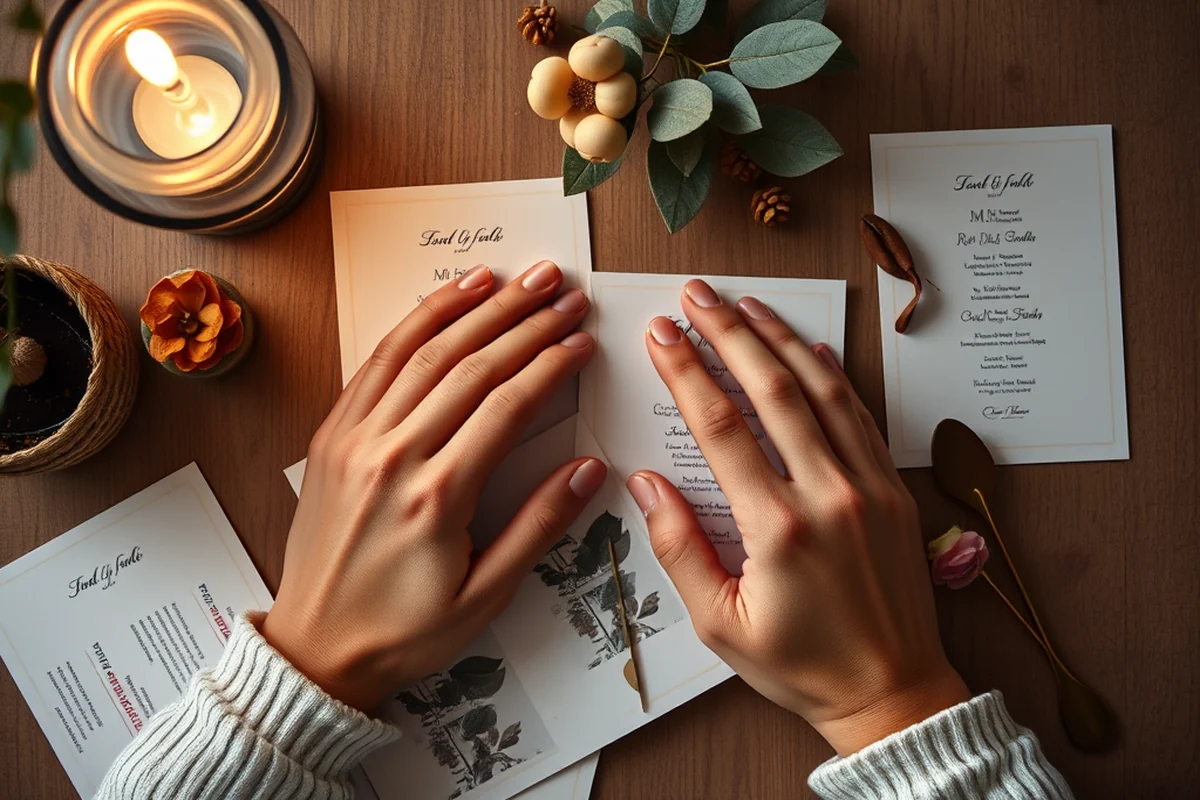
Accessories are a great way to add personality to a room without a major investment. I've used throw pillows, candles, and plants to update my space and make it feel more inviting.
I once redecorated my living room with a set of bold throw pillows and a few potted plants. The contrast between the bold colors and the natural elements made the space feel more balanced and welcoming.
Plants are particularly effective in adding life to a room. I've used a combination of hanging plants and floor plants to create a fresh, natural look. They also help purify the air and make a space feel more breathable.
Related: Romantic home decor ideas
Create a Cohesive Color Palette
Color is one of the most important elements in home decoration. I've learned that choosing a cohesive color palette can make a room feel more harmonious and welcoming.
For a recent renovation, I used a soft, neutral palette with accents of navy and gold. I added a velvet throw, a bold piece of art, and some metallic accessories to create contrast. The result was a room that felt both elegant and cozy.
I've also found that using a monochromatic palette can create a sense of calm and sophistication. I once used a range of gray tones with a few splashes of white to create a modern, minimalist look.
Related: Modern apartment interior design ideas
Mix Old and New for a Unique Vibe
I've always loved the idea of mixing old and new pieces. It creates a sense of history and character that can't be replicated with all-new decor.
I once combined a vintage wooden coffee table with a modern, minimalist sofa. The contrast between the two made the space feel more interesting and dynamic.
I've also found that mixing old and new can be a great way to save money. I've repurposed old furniture and paired it with new pieces to create a look that feels both modern and timeless.
Old and new together can create a room that feels both nostalgic and contemporary — a perfect blend of past and present.
Related: Living room decor blue
Be Intentional with Layout and Flow
Layout and flow are essential in any home decoration project. I've learned that arranging furniture in a way that allows for easy movement can make a space feel more inviting.
I once rearranged my living room to create a more open layout. I moved the sofa to face the TV and added a few accent chairs to create a more conversational setup. The result was a room that felt more welcoming and functional.
I've also found that considering the flow of a room is especially important for events. I once hosted a dinner party and arranged the furniture to create a more intimate setup. It made the guests feel more comfortable and allowed for better conversation.
Incorporate Statement Art for Visual Impact
I once hung a large abstract painting in my living room, and it immediately drew the eye and became the room's centerpiece. Choosing art that's 30-40% larger than the space it's placed in can create a dramatic effect. I found a piece for $120 at a local gallery, and it instantly elevated the room’s energy. Make sure the artwork is at eye level — typically between 57-60 inches from the floor — to ensure it's visually engaging without feeling overwhelming.
When selecting art, consider how it interacts with the room’s lighting. I used directional spotlights to highlight a sculpture I placed on a floating shelf, which made it appear more dynamic. This technique cost me around $80 for the lights and installation, but the visual impact was worth it. Avoid placing art too close to walls or furniture; leave at least 18 inches of space on either side to prevent clutter and allow the piece to breathe.[3]
I also discovered that mixing different art styles can add depth and interest. For example, pairing a modern geometric print with a vintage photograph created a layered look that felt intentional yet eclectic. I used a gallery wall technique, spacing each piece 4-6 inches apart for balance. This approach required about 2 hours of planning and hanging, but the result was a personalized, visually striking space that reflected my taste and personality.
💰 Budget-Friendly Decor
Decorate without breaking the bank using second-hand finds, DIY projects, and affordable store-bought items.
🏠 Small-Space Magic
Transform small spaces with smart storage solutions, mirrors, and multi-functional furniture.
🌳 Outdoor Party Vibes
Create a cozy outdoor atmosphere with string lights, rustic tables, and natural decor.
🎩 Grown-Up Version
Elevate your decor with elegant, timeless pieces that create a refined and sophisticated look.
💤 Low-Effort Decor
Achieve a stylish look with minimal effort using neutral tones, simple textures, and easy-to-care-for decor.
| The mistake | Why it happens | The fix |
|---|---|---|
| Overloading the room with too many decor items | Too many items can make a space feel cluttered and overwhelming, which can detract from the overall design. | Keep decor minimal and intentional. Focus on a few key pieces that add character and style. |
| Ignoring the room's natural light | Not considering how natural light affects the space can lead to a room that feels dim or uninviting. | Use light-colored curtains and avoid heavy drapes. Place mirrors strategically to reflect and amplify natural light. |
| Using too many colors in one room | Too many colors can make a space feel chaotic and incohesive, which can be distracting and unappealing. | Stick to a cohesive color palette with a few accent colors. Use texture to add depth and interest. |
| Forgetting about the flow of the room | Ignoring the layout can make a space feel cramped or uncomfortable, which can affect the overall experience of the room. | Arrange furniture to allow for easy movement. Consider how people will use the space and create a layout that works for them. |
How To Home Decoration Ideas
Common Questions
How can I make a small room feel bigger?
What are some affordable decor ideas?
How do I create a cohesive color palette?
What are some tips for mixing old and new decor?
References
Cite this guide
Decorbyhand (2026). How To Home Decoration Ideas. https://decorbyhand.com/how-to-home-decoration-ideas/
Feel free to cite or share this guide.