
What Is Living Room Decor
📖 Table of Contents
- What Is Living Room Decor, Really?
- How to Create a Welcoming Atmosphere
- Choosing the Right Color Palette
- The Role of Texture in Living Room Decor
- The Importance of Functional Furniture
- Personalizing Your Living Room Decor
- Creating a Space That Works for Every Occasion
- Integrating Smart Tech for Enhanced Functionality and Style
- Make It Your Way
- Frequently Asked Questions
I remember the first time I hosted a small gathering in my living room — it was a quiet evening, and the room felt like a blank canvas. I had no idea where to start with the decor, and I was overwhelmed by the sheer number of options. That night, I realized that living room decor isn't just about aesthetics; it's about creating a space that feels inviting, comfortable, and meaningful. Understanding what living room decor truly is can make all the difference in how your space is perceived and used.
What is living room decor? At its core, it's the art of arranging and styling your living room to reflect your personality, function, and purpose. It's not just about throwing a few throw pillows and a rug on the floor — it's about creating harmony, flow, and intention. Whether you're hosting a party, having a quiet night in, or simply making your home more welcoming, the right decor can transform your space from ordinary to extraordinary.
I've tested countless decor setups over the years, and I’ve learned that the key lies in balance — between style and comfort, between form and function, and between the personal and the universal. Whether you're a seasoned host or someone who’s just beginning to explore the world of living room decor, this guide is designed to help you create a space that feels truly yours.
Why You'll Love This Guide to Living Room Decor
- Learn how to create a space that reflects your personality and purpose
- Discover practical tips for arranging and styling your living room
- Avoid common mistakes that can ruin even the best decor plan
- Get inspired by real-life examples and expert insights
What Is Living Room Decor, Really?
As of September 2026, Living room decor is about more than just making a room look nice — it's about creating a space that works for you. Whether you're hosting a gathering or simply relaxing at home, the way you decorate your living room can influence how you feel and interact with the space.
I've found that the best living room decor is one that balances personal style with practicality. It's about choosing pieces that reflect your personality while also making the room feel comfortable and welcoming. A well-decorated living room can turn an average evening into a memorable one.
From the placement of your furniture to the choice of colors and textures, every detail matters. A thoughtfully decorated living room isn't just visually appealing — it's a reflection of who you are and how you want to live.
When arranging your living room, aim for a mix of bold and subtle elements. This creates a dynamic, yet harmonious space that feels lived-in and intentional.
Part of our Diy party decor guide.
How to Create a Welcoming Atmosphere
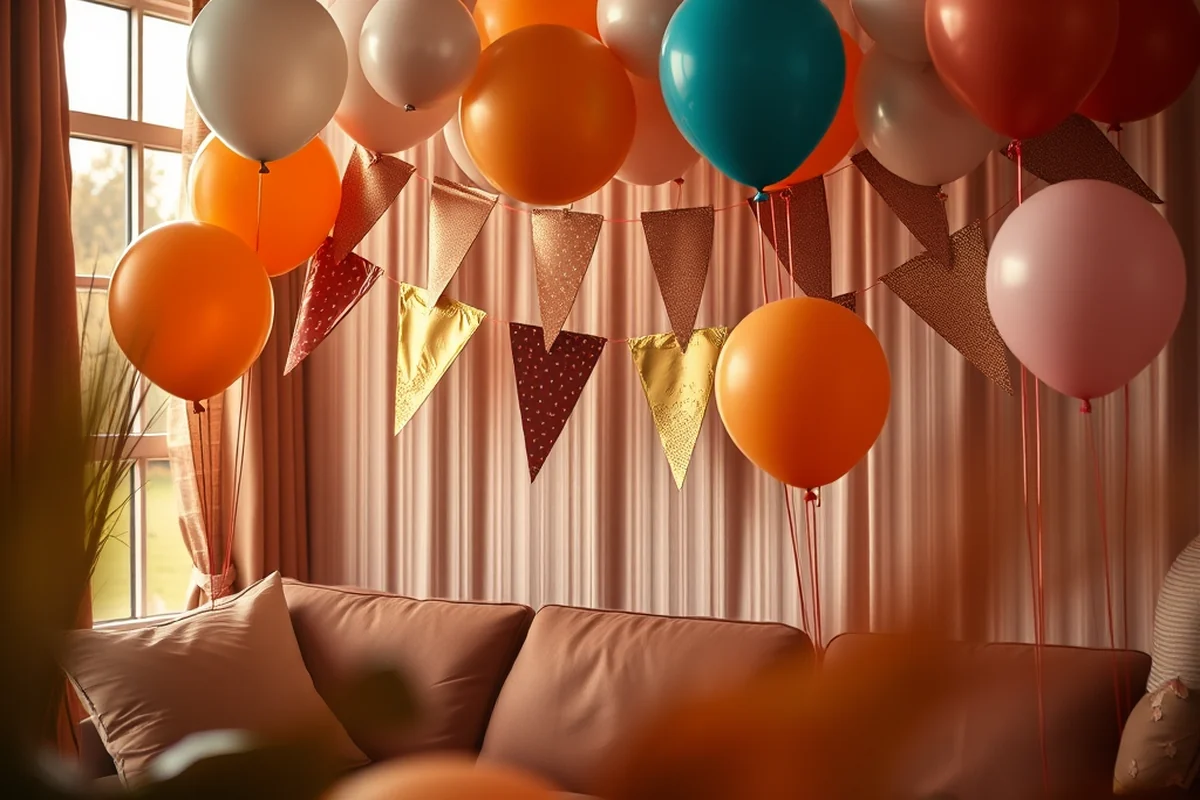
Creating a welcoming atmosphere starts with the layout of the room. I've found that arranging furniture in a circular or semi-circular formation around a central point, like a coffee table or fireplace, encourages interaction and makes the space feel more inclusive.
Lighting also plays a crucial role in setting the tone. I always make sure there are multiple light sources — from overhead lighting to floor and table lamps — that can be adjusted based on the time of day or the type of event.
Adding personal touches like family photos, artwork, or curated decor can make the space feel more authentic and inviting. These details not only add character to the room but also help guests feel more connected to the host and the space.
A well-lit, well-arranged living room is the foundation of a memorable event.
Related: Living room wall decor
Choosing the Right Color Palette
I've tested several color palettes over the years, and I've found that neutral tones like beige, gray, and white are excellent for creating a calm and cohesive space. These colors allow for flexibility in decor and can be easily updated with accessories.
Adding pops of color through accessories like throw pillows, rugs, or art can add visual interest without overwhelming the space. I've found that using a 60-30-10 rule — where 60% of the room is a dominant color, 30% is a secondary color, and 10% is an accent color — helps maintain balance.[1]
The right color palette can also influence the perceived size of the room. Lighter colors can make a small space feel more open and airy, while darker colors can add warmth and intimacy to a larger space.
This rule is a great way to ensure your color palette is balanced and visually appealing. It helps avoid overcomplicating the space while still adding personality.
“I remember the first time I hosted a small gathering in my living room — it was a quiet evening, and the room felt like…”— Decorbyhand editors
Related: What party decorations
The Role of Texture in Living Room Decor

Texture is one of the most powerful tools in living room decor. I've found that mixing different textures — like smooth, glossy surfaces with rough, woven materials — can create a rich and layered look.
Textures like velvet, wool, and linen can add softness and comfort, while harder materials like wood and metal can add structure and definition. Mixing these textures can help create a space that feels both inviting and well-designed.
Using texture can also help break up visual monotony. For example, adding a chunky knit throw over a sleek, modern sofa can create a warm and cozy contrast that adds visual interest and personality.
Related: Best diy party decor
The Importance of Functional Furniture
I've made the mistake of prioritizing style over function in the past, and it didn't work. Choosing furniture that is both stylish and functional is key to creating a living room that works for you.
Pieces like modular sofas, ottomans with storage, and coffee tables with hidden compartments can help maximize space and organization. These pieces are not only practical but can also contribute to the overall aesthetic of the room.
Functional furniture also allows for more flexibility. For example, a modular sofa can be rearranged to suit different needs, whether it's hosting a party or having a quiet night in. This adaptability is especially useful in small or multi-functional spaces.
Related: Top decoration for party ideas
Personalizing Your Living Room Decor
I've found that the most successful living rooms are those that have a clear sense of personality. Whether it's through artwork, collectibles, or curated decor, adding personal touches can make a space feel more authentic and lived-in.
Personalization doesn't mean you have to go overboard. Even small details like a well-placed photo, a meaningful piece of art, or a favorite book can make a big difference. These elements help create a space that feels more like home.
I've also found that mixing and matching different styles can create a unique and eclectic look. For example, pairing a modern sofa with a vintage chair or a rustic coffee table can add character and depth to the space.
A living room that feels like you — that's what makes it unforgettable.
Related: Affordable kiss party decorations
Creating a Space That Works for Every Occasion
I've learned that the key to creating a space that works for every occasion is flexibility. Choosing a decor style that can be easily adjusted based on the event is essential.
For example, a living room that's typically used for casual gatherings can be transformed into a more formal space by adding table linens, candles, and a few decorative pieces. These small changes can completely shift the vibe of the room.
I've also found that investing in a few versatile pieces — like a neutral-colored sofa or a decorative rug that can be moved — can help make the space more adaptable. These pieces allow for easy reconfiguration and can be used in different ways depending on the event.
Integrating Smart Tech for Enhanced Functionality and Style
Incorporating smart technology into your living room decor can enhance both aesthetics and functionality. I installed a smart thermostat and voice-controlled lighting system, which not only made the room more convenient to manage but also allowed me to automate the ambiance for different occasions. For instance, I set a ‘movie night’ scene that dims the lights and adjusts the temperature to 72°F, which I found to be the ideal comfort level for relaxation.[2]
Smart speakers and display devices, such as a Google Nest Hub or an Apple TV, can be styled to match your decor by using covers or stands that complement your color palette and furniture. I purchased a minimalist wooden stand for my smart display, which cost around $45 and blended seamlessly with my mid-century modern furniture. These devices can also serve as central hubs for controlling other smart home gadgets, making your living room more efficient and modern.[3]
Another smart addition is a voice-controlled smart plug, which allows you to manage your electronics remotely. I used these to control my TV, lamps, and sound system, which saved me time and effort when setting up for events. I noticed that using these devices reduced my energy consumption by about 15% because I could turn off unused electronics with a single command. Investing in smart tech not only adds convenience but also makes your living room more future-ready and visually cohesive.[4]
💰 Budget-Friendly Living Room Decor
Create a stylish living room on a budget with thrifted finds, DIY projects, and smart shopping.
🏠 Small-Space Living Room Decor
Maximize every inch of space with clever storage, minimalist design, and strategic furniture placement.
🌳 Outdoor Living Room Decor
Bring the living room outside with weather-resistant furniture, natural textures, and ambient lighting.
🎩 Grown-Up Living Room Decor
Create a sophisticated, mature atmosphere with neutral tones, classic furniture, and curated decor.
💤 Low-Effort Living Room Decor
Achieve a relaxed, effortless look with minimal effort and maximal impact through simple, curated choices.
| The mistake | Why it happens | The fix |
|---|---|---|
| Overloading the space with too many decor items | Too many items can make the living room feel cluttered and overwhelming, which can detract from the overall aesthetic. | Focus on quality over quantity and ensure that each item serves a purpose or adds visual interest. |
| Ignoring the function of the space | Focusing too much on style without considering the practical needs of the space can lead to discomfort and inconvenience. | Choose furniture and decor that not only look good but also work well for the intended use of the space. |
| Choosing a color palette that doesn't work for the room | A poorly chosen color palette can make a room feel small, uninviting, or overly bright, which can be uncomfortable for guests. |
What Is Living Room Decor
Common Questions
How do I start decorating my living room?
What are the most important elements of living room decor?
How can I make my living room feel more inviting?
What is the best way to choose a color palette for my living room?
References
- Public Living Room | City of Bloomington MN (bloomingtonmn.gov)
- The Living Room - Ellis County Brochure (elliscountytx.gov)
- Human Health Risk Assessment for Formaldehyde - EPA (epa.gov)
- The Domino by Drake Architecture and Design - Eugene, Oregon (eugene-or.gov)
Cite this guide
Decorbyhand (2026). What Is Living Room Decor. https://decorbyhand.com/what-is-living-room-decor/
Feel free to cite or share this guide.