
Living Room Wall Decor
📖 Table of Contents
- How to Choose the Right Art for Your Wall
- Gallery Walls: The Ultimate Guide
- Mirrors: Reflecting More Than Just Light
- Personalized Displays: Adding a Human Touch
- Textures and Materials: Elevating Your Wall Decor
- Lighting: The Final Touch
- Creating a Focal Point: The Heart of Your Living Room
- Make It Your Way
- Frequently Asked Questions
I once spent an entire weekend rearranging my living room, convinced that a fresh coat of paint and a few new frames would transform the space. What I didn’t realize then was how powerful the right living room wall decor could be—not just for aesthetics, but for creating a sense of purpose, warmth, and even conversation. That weekend taught me that the way we hang art or display photos can change the mood of a room in ways I hadn’t anticipated.[1]
Living room wall decor is more than a design choice; it’s a statement. It can guide the eye, draw attention, or even serve as a subtle anchor for your interior style. I’ve tested countless methods, from gallery walls to minimalist arrangements, and learned that the right approach can turn a cluttered space into one that feels intentional and inviting. The key is to balance personal expression with practicality—because your living room is where you entertain, relax, and gather with loved ones.[2]
The best living room wall decor isn’t about following trends—it’s about creating something that feels like you. Whether you’re an art lover or a minimalist, the right arrangement can make all the difference. I’ve found that the details matter: the spacing between frames, the texture of the wall, and even the lighting. After experimenting with different layouts, I came to appreciate how a well-decorated wall can elevate the entire room, making it not just a place to sit, but a space that feels like home.[3]
Why You'll Love This Approach to Living Room Wall Decor
- Transforms your living space into a personal, inviting environment
- Encourages conversation and interaction among guests
- Adds depth and character to an otherwise flat or empty wall
- Can be customized to match your style and budget
How to Choose the Right Art for Your Wall
As of September 2026, Art is the cornerstone of any living room wall decor. I once filled my walls with abstract paintings, only to find that they felt overwhelming. It was only after I mixed in personal photos, vintage prints, and a few statement pieces that the space felt balanced. Choose art that speaks to you, whether it's a bold piece that draws the eye or a subtle print that adds texture.[4]
I’ve found that mixing styles—like pairing modern art with vintage frames—can create a unique and dynamic look. It’s also important to consider scale: a large piece can be a focal point, while smaller pieces can be arranged in a gallery wall format. I’ve tested this with different layouts, and found that a cohesive color palette really helps tie the pieces together.
Lighting is another factor to consider. I once hung a piece that I loved in a dimly lit corner, only to realize it looked flat. Adding a track light above it transformed the space. The right lighting can make art pop and create a warm, inviting atmosphere.
Pick pieces that resonate with you and reflect your personality. Don’t be afraid to mix styles and scales if it feels right.
Part of our Diy party decor guide.
Gallery Walls: The Ultimate Guide
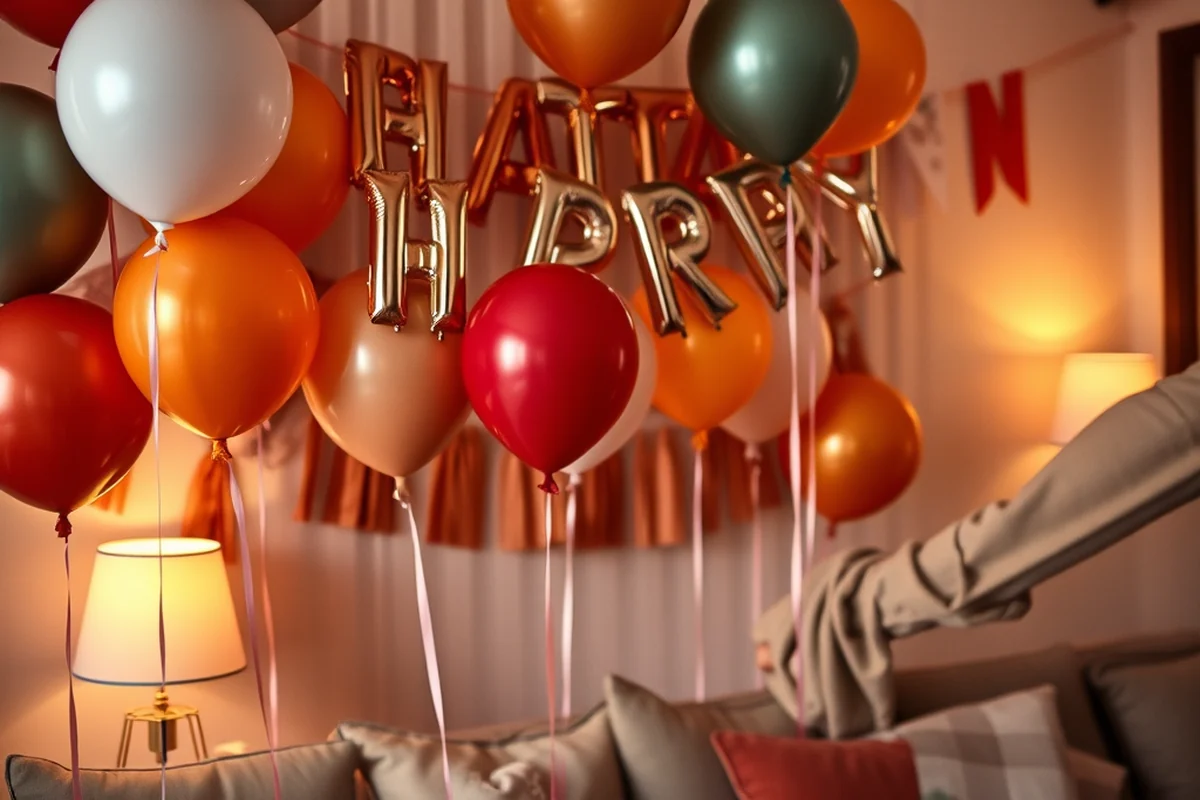
Gallery walls are a favorite of mine because they allow for creativity and personal expression. I once created a gallery wall with photos of my travels, vintage postcards, and small paintings, and it became one of the most talked-about features of my living room. The key is to plan the layout and spacing beforehand to avoid a cluttered look.
I’ve found that using a grid layout with equal spacing between frames gives a clean, intentional look. For a more relaxed vibe, I’ve experimented with asymmetrical arrangements, which can be just as striking. I also use a level and measuring tape to ensure everything is aligned correctly.
One of the most important tips I learned is to start with a focal point. Whether it's a large piece of art or a mirror, the rest of the gallery can be arranged around it. This helps create a sense of balance and makes the space feel more intentional.
A well-planned gallery wall can turn a plain wall into a masterpiece of personal expression.
Related: Modern party decor ideas
Related: Backyard party decor ideas without tools
Mirrors: Reflecting More Than Just Light
I was skeptical about using a mirror in my living room until I hung a large, ornate one above the fireplace. The effect was immediate: the room felt larger, and the light seemed to bounce around the space more naturally. Mirrors are a great way to add visual interest without overwhelming the room.
I’ve tested different styles, from minimalist glass mirrors to antique frames with gilded edges. Each one has a different impact on the space. A large mirror can be a striking focal point, while a few smaller ones can be arranged in a gallery-style display for a more eclectic look.
Mirrors also offer practical benefits. I once hung a mirror in a small living room, and it made the space feel more open and inviting. It’s a clever way to create the illusion of more space without making any physical changes.
Place a large mirror in a strategic location to reflect light and create the illusion of a larger space. Mirrors can also be used in gallery-style arrangements for a dynamic look.
“I once spent an entire weekend rearranging my living room, convinced that a fresh coat of paint and a few new frames would transform the…”— Decorbyhand editors
Related: Easy party decor
Related: Party decor printable
Personalized Displays: Adding a Human Touch
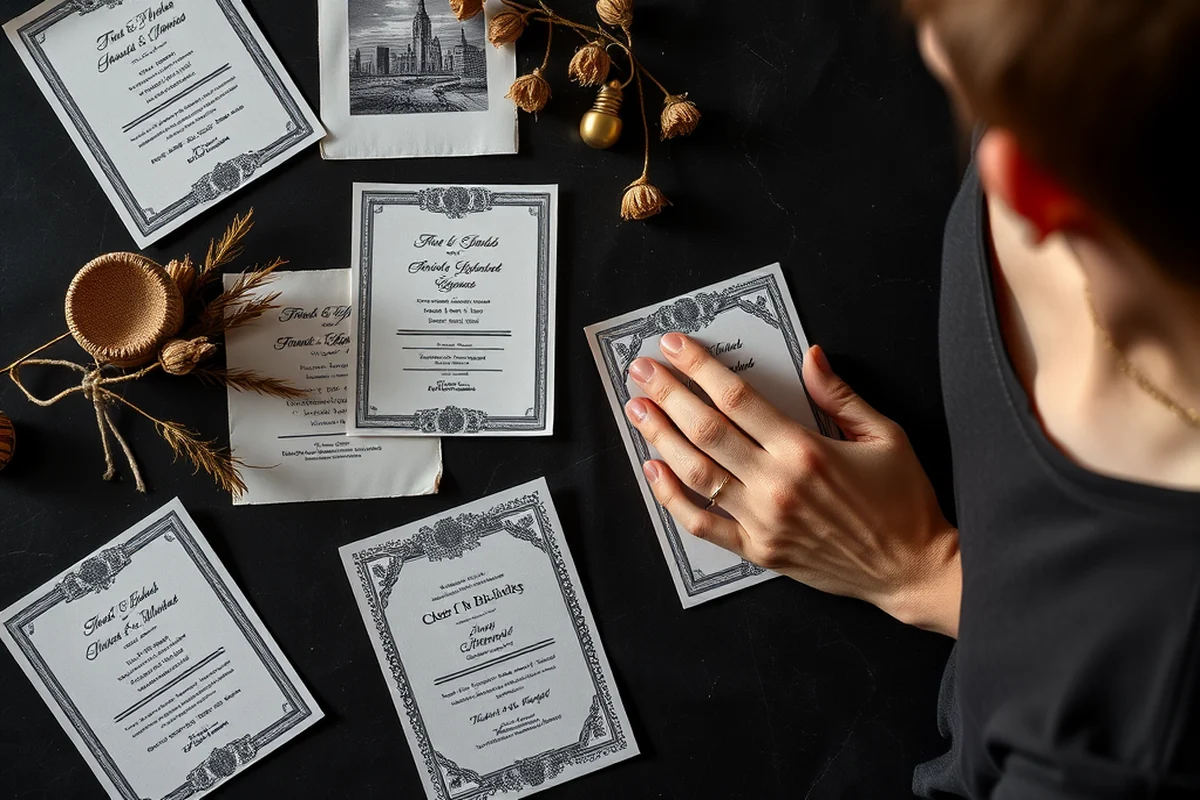
Personalized displays are a great way to showcase what matters most to you. I once filled my living room with a mix of framed photos, travel souvenirs, and handmade items, and it became a space that felt deeply personal. These displays can be both decorative and meaningful.
I’ve found that mixing different types of frames—like wooden, metallic, and vintage styles—can create a unique look. I also like to group similar photos together, like a series of travel photos from a particular trip, to create a cohesive visual theme.
These displays also make for great conversation starters. Friends and guests often ask about where I got the items or how I arranged them. It’s a way to bring your personality into the space and make it feel more inviting.
Related: Decoration for party ideas alternatives
Related: 40th birthday party game ideas at home
Textures and Materials: Elevating Your Wall Decor
Texture is a key element in creating a visually engaging living room. I once hung a mix of framed art, woven wall hangings, and sculptural pieces, and the result was a layered, three-dimensional space. Different materials, like wood, metal, and fabric, can add visual and tactile interest.
I’ve experimented with hanging woven baskets on my walls, and they’ve added a natural, earthy feel to the space. I also like using fabric wall hangings in neutral tones to add softness and warmth. These materials can be arranged in different ways to create a sense of movement and flow.
I’ve found that mixing textures can also help break up the monotony of a plain wall. Whether it’s a woven piece, a sculptural art installation, or a textured fabric, these elements can elevate the overall look of the room.
Related: Birthday party decorations without tools
Related: Party decor ideas tips
Lighting: The Final Touch
Lighting can make or break a wall decor arrangement. I once hung a piece of art that I loved, only to realize that without the right lighting, it didn’t look as impactful as I had hoped. I’ve tested different lighting options, from recessed ceiling lights to track lighting and wall sconces, and each has its own benefits.
I’ve found that track lighting is especially useful for highlighting specific pieces of art. It allows for precise control over where the light is directed, making the piece pop against the wall. I’ve also used wall sconces to create a warm, ambient glow in a more relaxed space.
Lighting is also about creating the right mood. I’ve used dimmer switches to adjust the brightness of the room, which has allowed me to change the atmosphere depending on the time of day or the event. Proper lighting can make even the simplest wall decor look stunning.
Lighting is the unsung hero of wall decor—don’t underestimate its power to transform a space.
Related: Diy 40th birthday party ideas
Related: Homemade christmas party decor
Creating a Focal Point: The Heart of Your Living Room
A focal point is essential for creating balance and visual interest in your living room. I once focused on a large piece of art over the fireplace, and it became the centerpiece of the room. This piece drew the eye and created a natural anchor for the rest of the decor.
I’ve also used large mirrors and sculptural pieces as focal points, and they’ve had the same effect. These elements can be placed strategically to guide the eye and create a sense of flow in the space. I’ve found that a well-chosen focal point can make a room feel more intentional and cohesive.
It’s also important to consider the surrounding elements when selecting a focal point. I’ve tested this by placing a large piece of art above a neutral-colored sofa, and it created a strong visual connection. A focal point is more than just an object—it’s the heart of your living room.
💰 Budget-Friendly Living Room Wall Decor
Create a stylish living room on a budget with affordable art, secondhand frames, and DIY displays.
🛋️ Small-Space Living Room Wall Decor
Maximize your small living room with mirrors, vertical arrangements, and minimalist art to create the illusion of space.
🌳 Outdoor Living Room Wall Decor
Bring the outdoors in with natural elements like woven wall hangings, weathered wood, and sculptural pieces.
🎩 Grown-Up Living Room Wall Decor
Opt for timeless pieces, neutral tones, and refined textures to create a sophisticated and elegant living room.
💤 Low-Effort Living Room Wall Decor
Choose easy-to-maintain decor like abstract art, neutral colors, and wall shelves that don’t require frequent rearranging.
| The mistake | Why it happens | The fix |
|---|---|---|
| Overcrowding the wall with too many pieces | This can make the space feel cluttered and overwhelming, rather than inviting. | Limit the number of pieces and leave enough negative space to allow the eye to rest. |
| Not considering the scale of the room | Small art pieces in a large room can get lost, while large art in a small room can overwhelm the space. | Choose art that is proportionate to the size of the room and the furniture. |
| Ignoring the lighting in the space | Without proper lighting, even the best wall decor can look dull and lifeless. | Use track lighting or wall sconces to highlight key pieces and create the right ambiance. |
| Not creating a focal point | A room without a clear focal point can feel disjointed and lack direction. | Choose a strong focal point, such as a large piece of art or a mirror, to anchor the space. |
| Using only one style or texture | This can make the space feel flat and monotonous. | Incorporate a mix of textures and materials to add depth and visual interest. |
Living Room Wall Decor
Common Questions
How do I know what size art to choose for my living room?
Can I mix different styles of art in my living room?
How do I arrange a gallery wall without it looking cluttered?
What if I don’t have much space on my walls?
References
Cite this guide
Decorbyhand (2026). Living Room Wall Decor. https://decorbyhand.com/living-room-wall-decor/
Feel free to cite or share this guide.