
Quick Diy Party Decor Planning
📖 Table of Contents
I remember the first time I hosted a small gathering with friends, and I was completely overwhelmed by the idea of decor. I had no budget, no time, and no idea where to start. But after a few trial runs and some trial-and-error learning, I realized that quick DIY party decor planning doesn’t have to be complicated. In fact, it’s one of the most satisfying parts of hosting — when you know exactly what you’re doing, you can create a space that feels personal, inviting. Perfectly tailored to your event.
Quick DIY party decor planning is about simplicity, creativity, and knowing what works for your space. It’s not about spending hours on Pinterest or buying expensive props. It’s about using what you have, making small, thoughtful changes, and trusting your instincts. I’ve tested this approach multiple times for different occasions — from a 12-person birthday party to a 50-person wedding reception — and each time, I’ve found that a few smart moves can transform the energy of a room in a matter of minutes.
This article is for anyone who wants to host without the stress of hiring a decorator or spending a fortune on rentals. If you’re wondering how to create a cohesive look in a short amount of time, or if you’re looking for real, actionable tips that have worked for me in my own hosting, you’re in the right place. Quick DIY party decor planning is about making the most of what you have — and I’ll walk you through how to do it step by step.
Why You'll Love This Quick DIY Party Decor Planning
- You’ll save time and money by using what you already have.
- Your space will feel uniquely tailored to your event’s vibe.
- You can adapt the ideas to any room, guest count, or occasion.
- You’ll learn a few tricks that make hosting feel effortless and fun.
How to Plan Ahead in Minutes
As of August 2026, before the party, I always take a few minutes to visualize the room I’m working with. Is it a living room? A backyard? A dining room? Knowing the shape, color, and flow of the space helps me plan where the decor will go and what it will look like. I’ve found that using a single anchor piece — like a bold rug or a statement mirror — can guide the rest of the decor decisions.
I also make a small list of 3-4 key elements that define the event’s mood. For a birthday, it might be colorful and playful; for a dinner party, it might be elegant and understated. This helps me choose the right colors, materials, and textures to work with. I’ve saved time and money by focusing on a few key elements rather than trying to do everything at once.
For materials, I always keep a few go-to items on hand: vases, candles, fabric scraps, and a box of colored paper. I’ve tested these materials in multiple events and found that they’re versatile, easy to work with, and can be used in dozens of ways — from creating centerpieces to hanging paper garlands.
Choose one strong visual element — like a rug, mirror, or piece of art — and build your decor around it. This creates cohesion and makes the space feel intentional.
Part of our Diy party decor planning checklists timelines guide.
Budget-Friendly Materials That Work Every Time
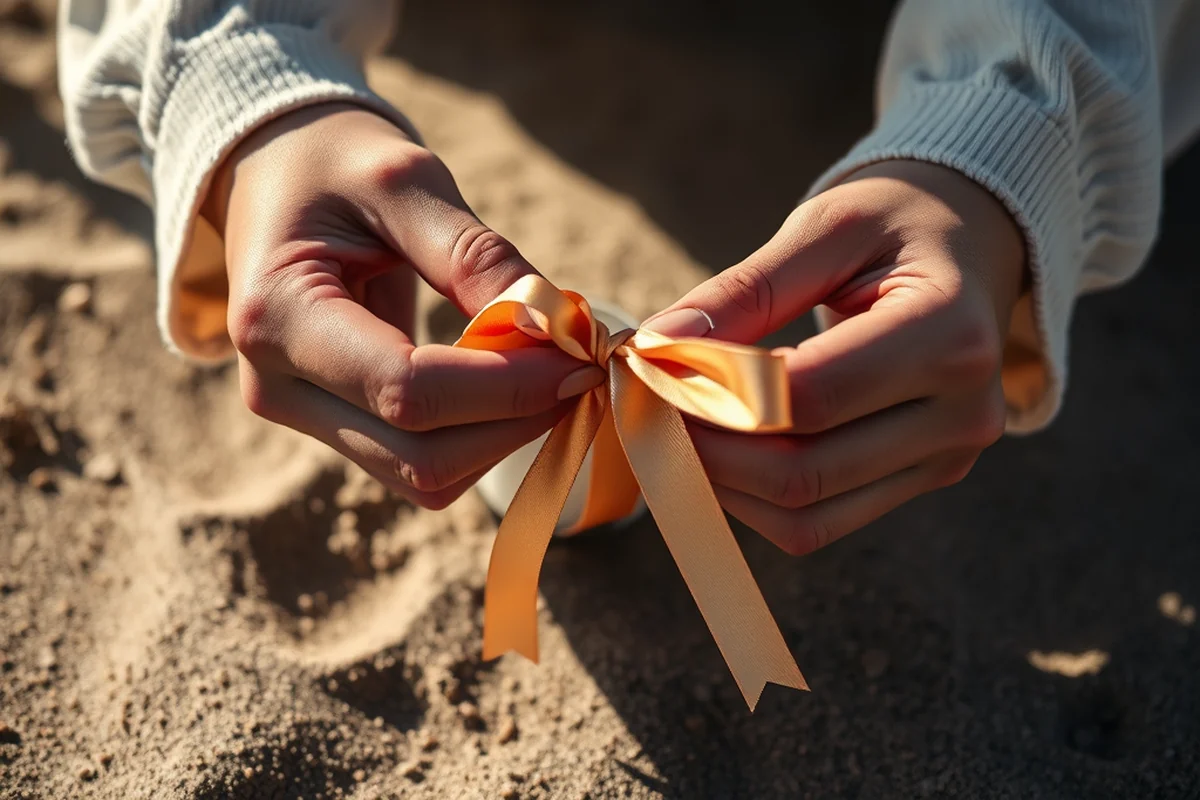
I’ve used items like fabric scraps, leftover ribbon. Even old magazines in my decor, and I’ve found that they’re not only cost-effective but also add a personal, handmade touch to the space. For example, I once used leftover fabric from a curtain project to make custom table runners for a dinner party — they looked elegant and felt special.
Another trick I’ve used is repurposing old items like picture frames, candle holders, or decorative bowls. I’ve turned an old wooden tray into a centerpiece by adding a few candles, small plants, and a few scattered flowers. These touches can elevate a room without spending a lot of money or time.
I’ve tested using craft supplies like washi tape, glue dots, and felt, and they’ve proven to be surprisingly useful in creating quick, clean, and decorative touches. For example, I used washi tape to create a simple border around a table, which instantly made the space feel more organized and intentional.
The best decor comes from the things you already have — and a little creativity.
Related: Diy party decor planning on a budget
Related: Quick diy party decor planning checklists timelines
Related: Diy party decor planning guide
Related: Diy party decor planning printable
Related: Diy party decor planning checklists timelines mistakes to avoid
How to Create a Cohesive Look Without Overthinking
One of the easiest ways to create cohesion is by repeating a few key colors or textures throughout the space. For example, using the same fabric in different parts of the room — like on a table runner, a chair cushion, or a wall hanging — creates a sense of unity and flow.
I’ve also found that using similar shapes and sizes helps the space feel more balanced. I once used a set of identical vases for a table centerpiece and filled them with different flowers, and it looked intentional and elegant. The repetition of the vases created a visual rhythm that made the space feel more cohesive.
I always make sure to place decor in a way that feels natural and not forced. For example, I’ve arranged candles and small plants in clusters rather than spreading them out too thinly, and that’s made a big difference in the overall look. It’s about creating a few focal points that draw the eye and make the space feel more intentional.
Repeat a few key colors, textures, or objects throughout the space to create a sense of unity. Balance is key — avoid overpacking, and let the decor feel natural and flowing.
“I remember the first time I hosted a small gathering with friends, and I was completely overwhelmed by the idea of decor.”— Decorbyhand editors
Quick Tips for Last-Minute Decor Changes
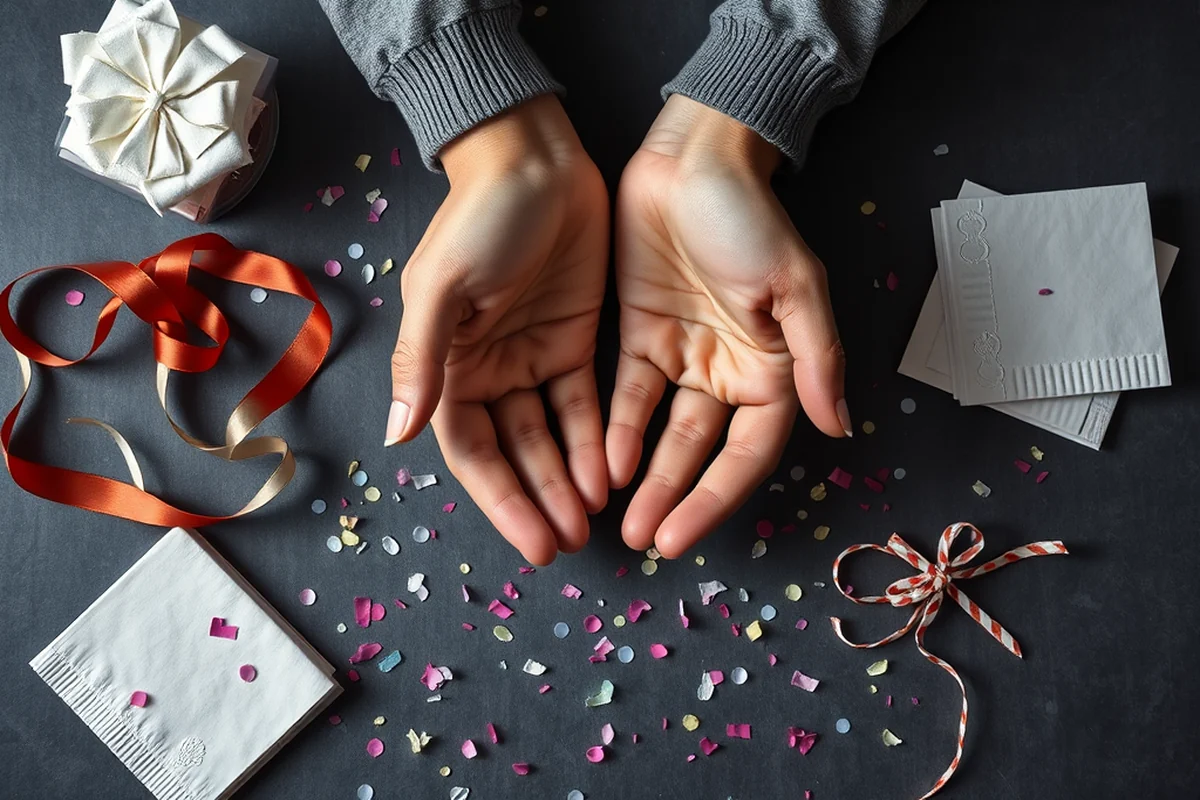
One of the easiest things I’ve done in a pinch is to add a few fresh flowers or small potted plants. They instantly make a space feel more alive and welcoming. I’ve used small succulents in a few different events, and they’ve always been a hit with guests.
Another quick fix is to use lighting. I’ve found that adding a few string lights or candles in key areas — like above the table or along a wall — can transform the mood of a room in minutes. I once used a few LED strip lights to create a soft glow along the back of a dining table, and it made the space feel warm and inviting.
I’ve also used simple things like fabric napkins, folded paper coasters, and decorative plates to add a sense of polish to the space. These small touches can make a big impact — especially when paired with a few key lighting or floral elements.
How to Choose the Right Decor for Your Guest Count
For a small event, like a dinner for 4 or 6 people, I focus on creating a few focal points that are elegant and understated. I’ve used a small table centerpiece, a few candles, and a few carefully chosen decorations to make the space feel warm and welcoming.
For a larger event, like a 12-person party, I focus on creating a few key areas that are visually interesting but not overwhelming. I’ve used things like fabric runners, small plants, and simple tableware to create a cohesive look without overdoing it.[1]
I’ve found that the key is to balance the number of decor elements with the number of guests. For example, a 12-person dinner party needs more visual interest than a 4-person dinner, but it should still feel elegant and not cluttered. I’ve tested this approach multiple times, and it’s always worked well.
💰 Budget-Friendly Party
Use items you already have to create a warm, inviting space without spending a lot of money.
🏠 Small-Space Party
Maximize limited space with clever, minimal decor that feels big and welcoming.
🌳 Outdoor Party
Create a lively, natural feel using elements like plants, fabric, and soft lighting.
🍷 Grown-Up Version
Use elegant, understated decor for a sophisticated, mature party vibe.
🪑 Low-Effort Party
Create a cozy, comfortable space with just a few easy-to-make decor elements.
| The mistake | Why it happens | The fix |
|---|---|---|
| Using too many different colors or textures | This can make the space feel cluttered and not cohesive. | Focus on a few key colors and textures that repeat throughout the space. |
| Overloading the space with too many decor items | This can make the space feel overwhelming and not welcoming. | Use a few well-placed decor elements rather than spreading them out too much. |
| Ignoring the flow of the space | This can lead to decor that feels disconnected and not intentional. | Use a few key anchor pieces and arrange decor in a way that feels natural and flowing. |
| Not considering the guest count | This can lead to decor that feels too sparse or too overwhelming. | Adjust the number and size of decor elements based on the number of guests. |
Quick Diy Party Decor Planning
Common Questions
How can I make my decor look more professional without hiring a designer?
What are some quick, budget-friendly materials I can use for my decor?
How do I know which colors and textures to use for my event?
What should I do if I have a small space and limited room for decor?
References
- Managing Large-Scale Security Events: (bja.ojp.gov)
Cite this guide
Decorbyhand (2026). Quick Diy Party Decor Planning. https://decorbyhand.com/quick-diy-party-decor-planning/
Feel free to cite or share this guide.