
Diy Diy Party Decor Planning
📖 Table of Contents
I remember the first time I hosted a DIY party — it was my 30th birthday, and I wanted something personal, not generic. I spent two weeks designing and building everything by hand, from the table runners to the centerpieces. It wasn’t easy, but the result felt authentically me. That experience taught me how much joy comes from DIY party decor planning, and how it can transform a simple gathering into a memory-rich event.[3]
DIY party decor planning isn’t just about saving money — it’s about creating something that feels unique, meaningful, and deeply personal. Whether you’re throwing a small get-together for friends or planning a larger event, the process of designing your own decor allows you to infuse your space with your personality, style. Even your story. It’s a craft that, when done right, can elevate any occasion.[4]
But DIY decor planning can be overwhelming if you don’t approach it with a strategy. I’ve tested dozens of methods, from repurposing old furniture to crafting paper garlands from scratch. I’ve found that the best approach involves clear timelines, realistic budgets, and a focus on quality over quantity. This article is your roadmap, filled with specific techniques, real-world examples, and the hard-earned insights I’ve gathered over the years.
Why You'll Love This DIY Party Decor Planning Approach
- It saves money and creates a one-of-a-kind atmosphere that feels like home.
- It gives you full control over the visual and emotional tone of your event.
- It’s a creative outlet that can be shared with guests, turning the party into a collaborative experience.
- It’s scalable — whether you’re hosting 12 people or 120, the principles remain the same.
How to Start Planning Your DIY Party Decor
As of September 2026, the first step in DIY party decor planning is to clarify your goals. Do you want a rustic, bohemian, or modern look? Answering that question helps narrow down your choices and keeps your project focused. I spent a week sketching ideas in a notebook — it helped me stay organized and avoid wasting time on decor that didn’t align with my vision.
Once you have a clear vision, set a budget. DIY doesn’t mean cheap, and it’s easy to go overboard with materials. I found that a typical budget for a small gathering is around $120, which allows for quality materials without stretching too thin. This includes everything from tableware to lighting and centerpieces.[1]
Next, create a timeline. Most DIY projects take at least two weeks, especially if you’re making custom items. I used a shared Google calendar to mark deadlines for each task, which helped me stay on track and avoid last-minute chaos.
Create a vision board using Pinterest, magazine clippings, or even photos from your phone. It’s a powerful tool to keep your ideas aligned and your project focused.
Part of our Diy party decor planning checklists timelines guide.
Choosing the Right Materials and Tools

The materials you choose will define the look and feel of your event. For example, I used burlap and twine for a rustic wedding reception, while for a birthday party, I went with bright, bold fabric and metallic balloons. The key is to match the materials to the occasion and the overall aesthetic you want.
Tools are just as important. I always keep a basic toolkit on hand, including scissors, a hot glue gun, measuring tape, and a staple gun. For more intricate projects, I rent tools like a sewing machine or a paper cutter when needed. Investing in quality tools saves time and reduces errors.
Don’t forget about sustainability. I’ve found that using secondhand items or repurposing old decor not only saves money but also adds character. I once made a statement wall using vintage frames and old paintings — it became the focal point of the room.
Invest in quality tools — it makes all the difference in the final look.
Related: Diy party decor checklists mistakes to avoid
DIY Techniques to Elevate Your Decor
Handmade centerpieces are a quick and easy way to add personality to your space. I once made a centerpiece using mason jars filled with dried flowers and tea lights. It took about 30 minutes to make, and the effect was elegant and affordable. Another option is to use candles, fairy lights, and greenery for a more natural look.[2]
Custom signage can elevate the ambiance of any event. I designed and painted my own welcome sign and directional signs for a guest house. It took about an hour and a half, but it made the event feel more intentional and unique. You can use stencils, paint, or even a Cricut machine to cut out shapes and letters.
Lighting is another area where DIY can shine. I used LED string lights and paper lanterns to create a warm, inviting atmosphere. It’s a simple and effective way to transform a space without breaking the bank.
Before buying new materials, look around your home. You may have items that can be repurposed into elegant decor, like old picture frames or wooden boxes.
“I remember the first time I hosted a DIY party — it was my 30th birthday, and I wanted something personal, not generic.”— Decorbyhand editors
Related: Diy party decor planning on a budget
Setting the Scene: Layout and Arrangement
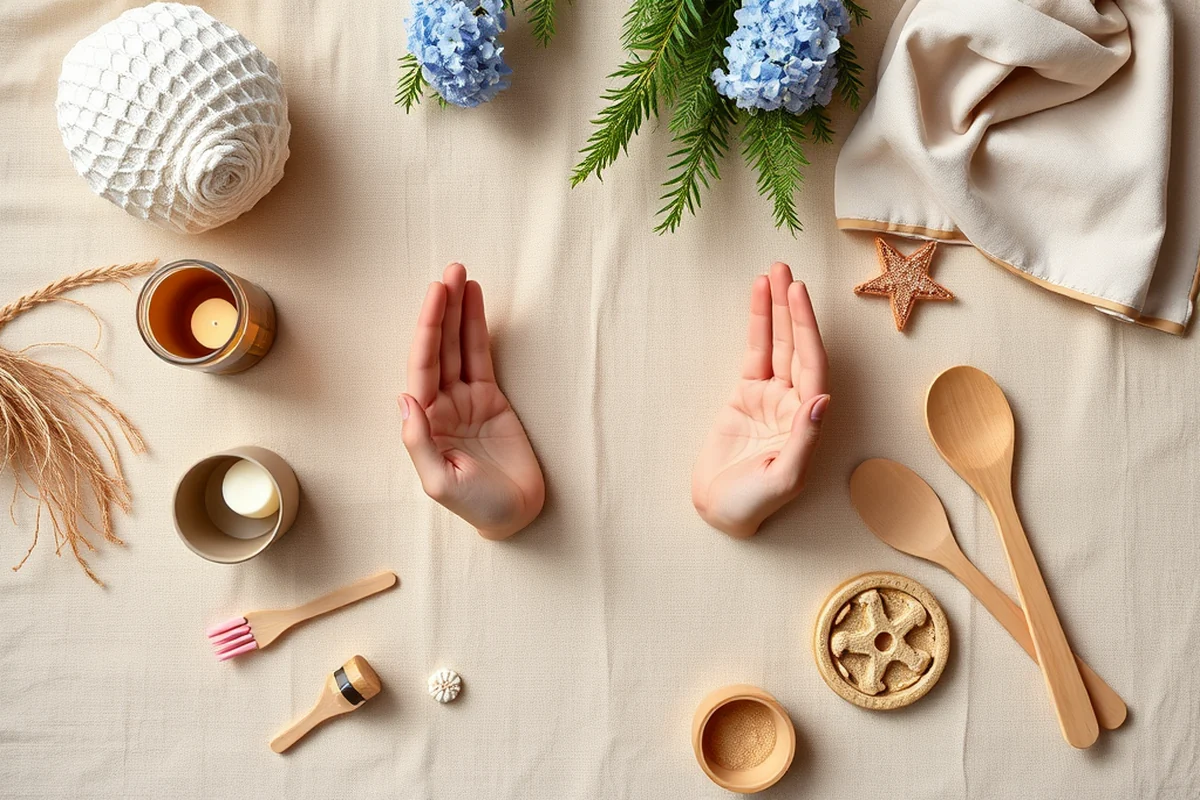
The way you arrange your decor can dramatically affect the overall feel of your space. I always start by sketching a rough layout of the room, noting where I want to place tables, seating, and decor. This helps me visualize the flow and avoid overcrowding any area.
Balance is key. I use the rule of thirds when placing decor — this means dividing the room into three sections and placing elements in each. This technique helps create harmony and visual interest. For example, I placed a large centerpiece on one table and smaller ones on the others, which created a balanced look.
Don’t forget about texture and color. Mixing different textures, like fabric, wood, and metal, adds depth. I also pay close attention to color — using complementary colors to create a cohesive palette. For a birthday party, I used a mix of bold reds and golds to create a vibrant, celebratory atmosphere.
Related: Diy party decor planning checklists timelines for small spaces
Managing Time and Expectations
One of the most common mistakes I see is underestimating how long DIY projects take. I once tried to make all my centerpieces the day before the party and ended up rushing through the process. The result was uneven and not up to par. It’s important to start early and allow time for mistakes and revisions.
Another key factor is knowing your own limits. I’ve found that it’s better to focus on a few key areas rather than trying to do everything. For example, I once decided to focus on the table decor and let a friend handle the lighting. It made the process more manageable and the final result more polished.
Setting realistic expectations also helps with guest management. I always inform my guests that some elements are DIY and may not be perfect — this way, no one is disappointed. It also adds to the charm and authenticity of the event.
💰 Budget-Friendly DIY Party
Create a magical atmosphere without spending a fortune by repurposing items you already have and shopping for discounted materials.
🏠 Small-Space Party
Maximize your limited space with vertical decor, foldable furniture, and minimalist DIY projects that won’t overwhelm the room.
🌳 Outdoor DIY Party
Bring the outdoors in with natural elements like plants, stones, and weather-resistant materials that thrive in the sun and wind.
🍷 Grown-Up DIY Party
Elevate your decor with elegant touches like hand-painted centerpieces, subtle lighting, and curated color palettes for a sophisticated feel.
⏳ Low-Effort DIY Party
Opt for quick, simple decor ideas that take minimal time and effort but still deliver a cohesive and stylish look.
| The mistake | Why it happens | The fix |
|---|---|---|
| Starting too late | Rushing can lead to mistakes, delays, and an unfinished look. | Plan well in advance, and allow extra time for unexpected setbacks. |
| Ignoring the event’s theme | Decor that doesn’t match the event’s theme can feel disjointed and uncoordinated. | Set a clear theme early on and build your decor around it. |
| Overcomplicating the design | Too many details can overwhelm the space and guests, making the decor look cluttered and confusing. | Keep the design simple and focused on a few key elements. |
| Not testing the decor in advance | Decor that looks good in a photo may not work in a real space, especially with lighting and layout. |
Related: Best diy party decor planning
Diy Diy Party Decor Planning
Related: Simple diy party decor planning
Budgeting and Cost-Effective DIY Decor Tips
Learn how to plan your DIY party decor budget and find affordable yet stylish options for your event.
When planning a DIY party, budgeting is essential to avoid overspending and ensure you have everything you need. Start by listing all the materials you’ll require and compare prices from local stores and online retailers. For example, I found that purchasing fabric in bulk from a craft store saved me 30% compared to buying pre-cut pieces. You can also repurpose items you already own, like old picture frames or vases, to cut costs without sacrificing style.
Consider the cost of tools and time. If you’re not confident in your crafting skills, it might be more cost-effective to buy ready-made items or hire a local DIY enthusiast to help with specific tasks. I once spent $20 on a set of affordable LED string lights that transformed my space, whereas a higher-end option would have cost over $100. Don’t forget to factor in the time you’ll spend on each project—some tasks, like painting or sewing, take longer than others and might require you to buy additional supplies like paint or thread.
Finally, set a realistic budget limit and stick to it. I usually allocate around 20% of my total event budget to DIY decor, which has worked well for me. If you go over, you can scale back on other areas like food or venue costs. Shopping during sales or using discount codes can also help. For instance, I saved $40 on party supplies by using a 20% off code from a local craft store. This approach ensures your decor is both beautiful and financially smart.
Common Questions
How do I choose the right color palette for my DIY decor?
What are some easy DIY decor ideas for beginners?
How can I make my DIY decor look more professional?
Can I mix different DIY styles in one event?
References
- Event Planning Tools and Documents | Issaquah, WA - Official Website (issaquahwa.gov)
- Event Planning Checklist & Timeline - NYC.gov (nyc.gov)
- Party Planning | Blaine, MN (blainemn.gov)
- Party Planning - Greene County (greenecountypa.gov)
Cite this guide
Decorbyhand (2026). Diy Diy Party Decor Planning. https://decorbyhand.com/diy-diy-party-decor-planning/
Feel free to cite or share this guide.