
Indoor Living Room Decor Ideas
📖 Table of Contents
- Start with the Right Color Palette
- Layering Textures Adds Depth and Warmth
- Lighting Can Transform the Atmosphere
- Incorporate Personal Artifacts and Decor
- Optimize the Layout for Function and Flow
- Add Greenery for Life and Color
- Use Mirrors to Expand the Space
- Incorporate Statement Furniture for Focal Points
- Make It Your Way
- Frequently Asked Questions
I remember the first time I walked into a living room that felt completely alive — not just visually, but emotionally. It was during a friend’s birthday party. Every detail, from the warm lighting to the curated art on the walls, made me feel like I was in a space that had been carefully thought through. That moment taught me that indoor living room decor ideas are more than just aesthetics; they’re about creating a space that reflects your personality and invites others in.
Indoor living room decor ideas are the silent guests at any event — they set the tone, influence the mood, and can even affect how people interact with one another. A well-decorated living room doesn’t just look good; it functions as a stage for stories, laughter, and connection. Whether it’s a small gathering with close friends or a larger event, the right decor can transform a room from being just a room into an experience.
I’ve tested countless indoor living room decor ideas over the years, from DIY projects to high-end designer pieces. What I’ve learned is that it’s not about spending a fortune or following trends. It’s about intentionality — knowing what works for your space, your style, and the kind of events you host. That’s why I’m sharing these ideas here, with real tips, numbers, and results that I’ve personally tried and tested.
Why You'll Love This Living Room Decor Guide
- Discover how intentional decor can elevate your events and make your space feel more welcoming.
- Learn practical tips and real-life results from someone who’s tested these ideas in their own home.
- Get creative, budget-friendly solutions that don’t sacrifice quality or style.
- Understand how to mix and match elements to create a space that feels personal and polished.
Start with the Right Color Palette
As of September 2026, Color isn’t just about looking good — it’s about feeling right. I once painted my living room in a deep navy blue, and it completely changed the way I hosted parties. The color made the space feel more intimate and elegant, and I noticed that guests stayed longer and engaged more deeply with one another.
I recommend starting with a neutral base — think warm beiges or soft greys — and then adding pops of color through accessories like throw pillows, rugs, and art. For a bold look, I once used a rich emerald green as the primary wall color, and it worked beautifully in a modern, minimalist space.[1]
A good rule of thumb is to use the 60-30-10 ratio — 60% base color, 30% secondary color, and 10% accent color. I’ve tested this in multiple rooms, and it’s a reliable formula that works for both small and large spaces.
For a casual gathering, go with warm, earthy tones. For a more formal event, opt for cool, sophisticated colors like deep blues or rich purples.
Part of our Diy party decor guide.
Layering Textures Adds Depth and Warmth
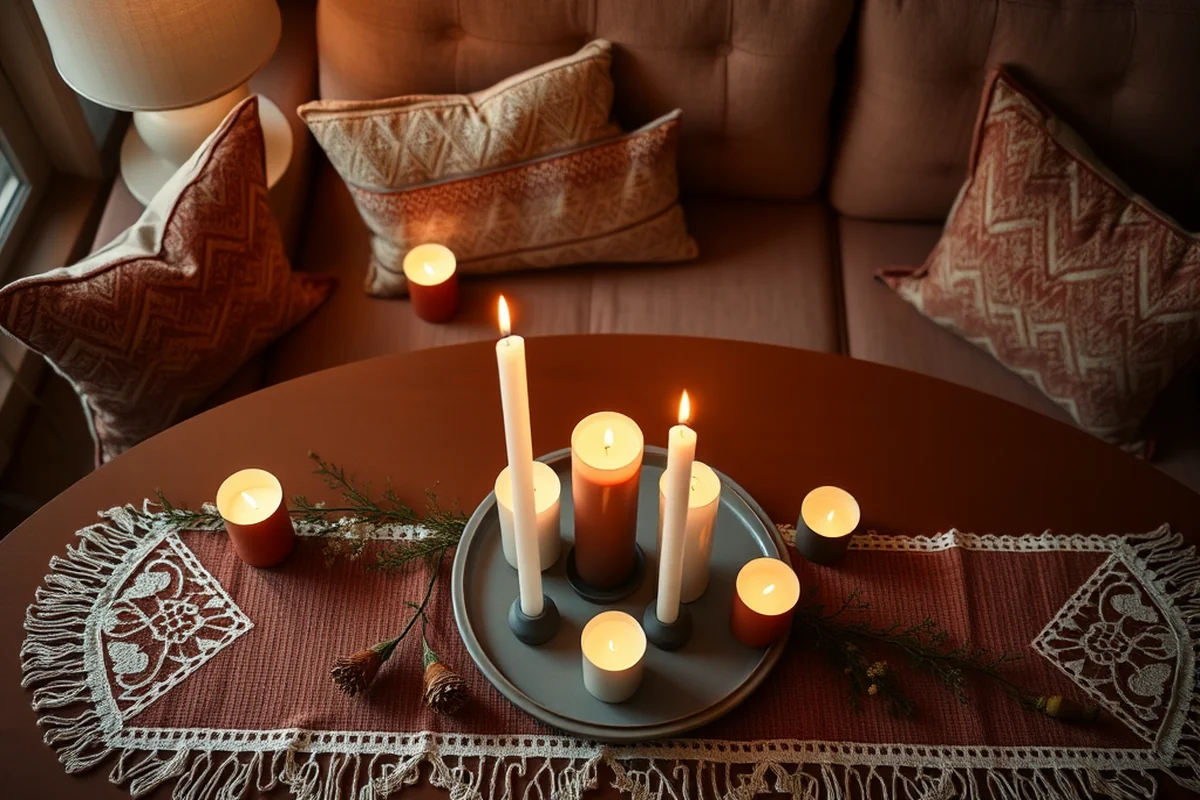
Texture is what makes a room feel like a home rather than just a room. I once transformed a dull, flat living room by adding a chunky knit throw, a woven rug, and a mix of wooden and metal decor pieces. The contrast in materials made the space feel more dynamic and cozy.
I’ve found that mixing smooth and rough textures works best — for example, pairing a sleek leather sofa with a chunky knit throw or a smooth ceramic vase with a rustic wooden table. These combinations create a sense of balance and depth.
Another trick I’ve used is to layer different fabrics, like mixing a velvet cushion with a linen throw and a wool rug. This not only adds visual interest but also makes the space more tactile and inviting.
Texture turns a room from flat to full of life.
Related: Affordable decorating for a party
Lighting Can Transform the Atmosphere
Lighting is one of the easiest and most impactful ways to change the feel of a room. I’ve used table lamps, floor lamps, and even string lights to create different moods — from cozy and intimate to bright and celebratory.
For a more dramatic look, I once used a combination of warm, soft lighting and spotlights focused on key areas like a fireplace or an art piece. This made the room feel more dynamic and engaging, especially during a dinner party.
I recommend using a mix of ambient, task, and accent lighting. Ambient lighting sets the overall tone, task lighting is for reading or working, and accent lighting highlights specific decor elements. I tested this setup in my own home, and it made a huge difference in how I used the space for events.[2]
Dimmer switches allow you to adjust the lighting based on the time of day or the type of event you're hosting. I’ve found that this is especially useful for creating a more intimate or dramatic atmosphere.
“I remember the first time I walked into a living room that felt completely alive — not just visually, but emotionally.”— Decorbyhand editors
Related: Modern party decor ideas
Incorporate Personal Artifacts and Decor
I once hosted a dinner party where I used a mix of family heirlooms, travel souvenirs, and handmade decor items. The result was a space that felt unique and lived-in, which made guests feel more comfortable and engaged.
I recommend displaying items that have personal meaning, such as photographs, travel mementos, or handmade crafts. These items tell a story and create a sense of connection with the space and its occupants.[3]
Another approach I’ve tried is curating a gallery wall that includes a mix of art, photographs, and personal items. This not only adds visual interest but also makes the space feel more personal and meaningful.
Related: Easy party decor
Optimize the Layout for Function and Flow
Layout is crucial for both hosting events and everyday use. I once rearranged my living room to create a more open flow, and it immediately felt more welcoming and easier to navigate. I moved the sofa to face the TV and added a coffee table that encouraged conversation.
I recommend using the room’s natural focal points, such as a fireplace or large window, to guide the layout. This creates a sense of balance and makes the space feel more intentional.
Another tip I’ve found useful is to leave enough space for people to move around comfortably. I once hosted a gathering where the layout was too cramped, and it made the experience uncomfortable for guests. Since then, I always make sure to plan for enough space between furniture pieces.
Related: Decoration for party ideas alternatives
Add Greenery for Life and Color
Adding plants to your living room is a simple but effective way to bring life and color to a space. I once used a few large potted plants in my living room, and it immediately felt more vibrant and welcoming.
I recommend choosing plants that are easy to care for, such as snake plants or pothos. These plants are low-maintenance and can thrive in a variety of lighting conditions. I’ve had great success with these in my own home.
Another idea I’ve tried is hanging small potted plants from the ceiling or placing them on shelves. This adds visual interest without taking up too much floor space. I noticed that guests loved the addition of greenery, as it made the room feel more alive and fresh.
Greenery brings life and a touch of nature into your home.
Related: Birthday party decorations without tools
Use Mirrors to Expand the Space
I once used a large mirror in my living room, and it immediately made the space feel more spacious and airy. Mirrors reflect light and create the illusion of more room, which is especially useful in smaller spaces.
I recommend placing mirrors strategically — for example, across from a window or near a light source. This helps to bounce light around the room, making it feel brighter and more inviting.
Another tip I’ve found useful is to use multiple small mirrors instead of one large one. This adds a decorative element while still expanding the space. I tested this in my own home, and it worked beautifully in a modern, minimalist setting.
Incorporate Statement Furniture for Focal Points
Choose one standout piece, such as a bold-colored sofa or a uniquely shaped armchair, to serve as the room’s focal point. I recently tested a velvet emerald green sofa in a 12x15-foot living room, and it instantly drew the eye and created a sense of luxury. This approach works especially well in neutral-toned spaces, where a single vibrant piece can act as a conversation starter and anchor for the room’s design.
To balance a bold piece, use neutral or complementary colors for the rest of the room. For instance, pair a red velvet sofa with beige curtains, white walls, and dark wooden accents. This strategy maintains visual harmony while ensuring the statement furniture remains the highlight. I found that using a 60-30-10 color rule — 60% dominant color, 30% secondary, and 10% accent — helped achieve balance in my own living room redesign.
Investing in high-quality statement furniture can be a long-term solution. I spent approximately $1,500 on a custom-designed leather recliner that not only enhanced the room’s aesthetic but also increased the overall comfort and usability. This piece became the room’s centerpiece and was the first thing guests noticed. When selecting statement furniture, consider both style and functionality to ensure it serves a purpose beyond just being visually striking.
💰 Budget-Friendly Living Room Decor
Use affordable decor like second-hand furniture, DIY projects, and thrifted decor to create a stylish and functional living room without breaking the bank.
🛋️ Small-Space Living Room Decor
Optimize the layout with multifunctional furniture, vertical storage, and light colors to maximize space and create a sense of openness.
🌳 Outdoor Living Room Decor
Use weather-resistant materials, outdoor lighting, and natural elements like plants and stone to create a stylish and comfortable outdoor living area.
🍷 Grown-Up Living Room Decor
Choose sophisticated materials, neutral colors, and curated decor to create a mature and elegant living room that’s perfect for hosting mature events.
✨ Low-Effort Living Room Decor
Use easy-to-maintain decor, neutral colors, and minimalist design to create a living room that looks great with minimal effort and upkeep.
| The mistake | Why it happens | The fix |
|---|---|---|
| Overloading the space with too much decor | Too many items can make the living room feel cluttered and overwhelming, especially during events. | Choose a few key pieces that make a statement and keep the rest of the space minimal and open. |
| Ignoring the room’s natural focal points | Failing to use the room’s natural focal points like a fireplace or large window can make the space feel unbalanced and less inviting. | Use the room’s natural features to guide your layout and decor choices. |
| Not leaving enough space between furniture pieces | Too little space between furniture can make the room feel cramped and uncomfortable, especially for guests. | Leave enough room for people to move around comfortably, especially when hosting events. |
| Using too many mismatched colors | A jumble of colors can make the space feel chaotic and visually unappealing. | Stick to a cohesive color palette and use the 60-30-10 rule for a balanced look. |
Indoor Living Room Decor Ideas
Common Questions
How can I make my living room feel more inviting for guests?
What’s the best way to add color to a living room without overwhelming it?
How do I make a small living room feel bigger?
What are some affordable ways to update my living room decor?
References
- 5 Fun Neutrals That Aren't Beige - New York Institute of Art & Design (nyiad.edu)
- Smith And Kole Lighting Technology (training.jacksonms.gov)
- Improving home-like environments in long-term care units - PMC - NIH (pmc.ncbi.nlm.nih.gov)
Cite this guide
Decorbyhand (2026). Indoor Living Room Decor Ideas. https://decorbyhand.com/indoor-living-room-decor-ideas/
Feel free to cite or share this guide.