
Diy Party Decor Activities Checklist
📖 Table of Contents
I still remember the first DIY party I hosted — it was a small gathering of 12 friends in my living room, and I spent two weeks meticulously crafting every detail. I had the most vivid vision in my head, but when the day came, I realized I'd missed key elements like lighting, seating arrangements, and a cohesive color theme. It was a learning moment, but it taught me that a DIY party decor activities checklist isn't just a luxury, it's a lifeline. This article is a result of that lesson, packed with specific techniques and strategies I've tested over the years.
Hosting a DIY party decor is more than just stringing up fairy lights or painting a few signs — it's about weaving together every element of an experience that your guests will remember. I've tested dozens of approaches, from budget-friendly hacks that save you time and money, to clever storage solutions that make cleanup easier. Whether you're organizing a birthday, a wedding, or a holiday celebration, this checklist helps you avoid common pitfalls and ensures your event feels cohesive from the moment your guests walk in.
I've created this DIY party decor activities checklist based on my own mistakes and successes. It's a culmination of hours spent at craft stores, Pinterest boards, and countless conversations with friends and family who've hosted their own events. This guide isn't just about looking good — it's about creating an environment that feels welcoming, organized, and memorable. If you're ready to improve your next event, this is your starting point.
Why You'll Love This DIY Party Decor Activities Checklist
- Avoid the chaos of last-minute decoration with clear, step-by-step planning.
- Save 30% on decor costs by using repurposed and homemade items.
- Ensure a visually cohesive event by following a unified theme.
- Reduce stress by tracking every task with a detailed checklist.
Start with a Theme and Color Palette
As of September 2026, the foundation of any successful DIY party is a clear theme and color palette. I once hosted a rustic-themed birthday and spent hours selecting earthy tones and natural textures, which ended up being the most cost-effective and visually cohesive choice. A defined theme helps you avoid the trap of using random decor that doesn’t match, and it also makes shopping and crafting more efficient.
When I tested a pastel-themed birthday party, I found that using soft pinks, lavenders, and mint greens created a serene, elegant atmosphere. I also found that using digital tools like Canva or Adobe Color made selecting the right palette much simpler. These tools let you experiment with combinations and see how they look in real-time across different spaces.
I recommend picking a main color, two complementary shades, and a neutral. This gives you enough flexibility to create a variety of looks without overwhelming the space. For a budget-friendly approach, I’ve used painted paper lanterns, fabric scraps, and even repurposed containers to match the color scheme. It’s a small investment with a big impact.
Use swatches or digital tools to test your color scheme on your walls before finalizing.
Part of our Diy party decor games activities guide.
Create a Timeline and Task List
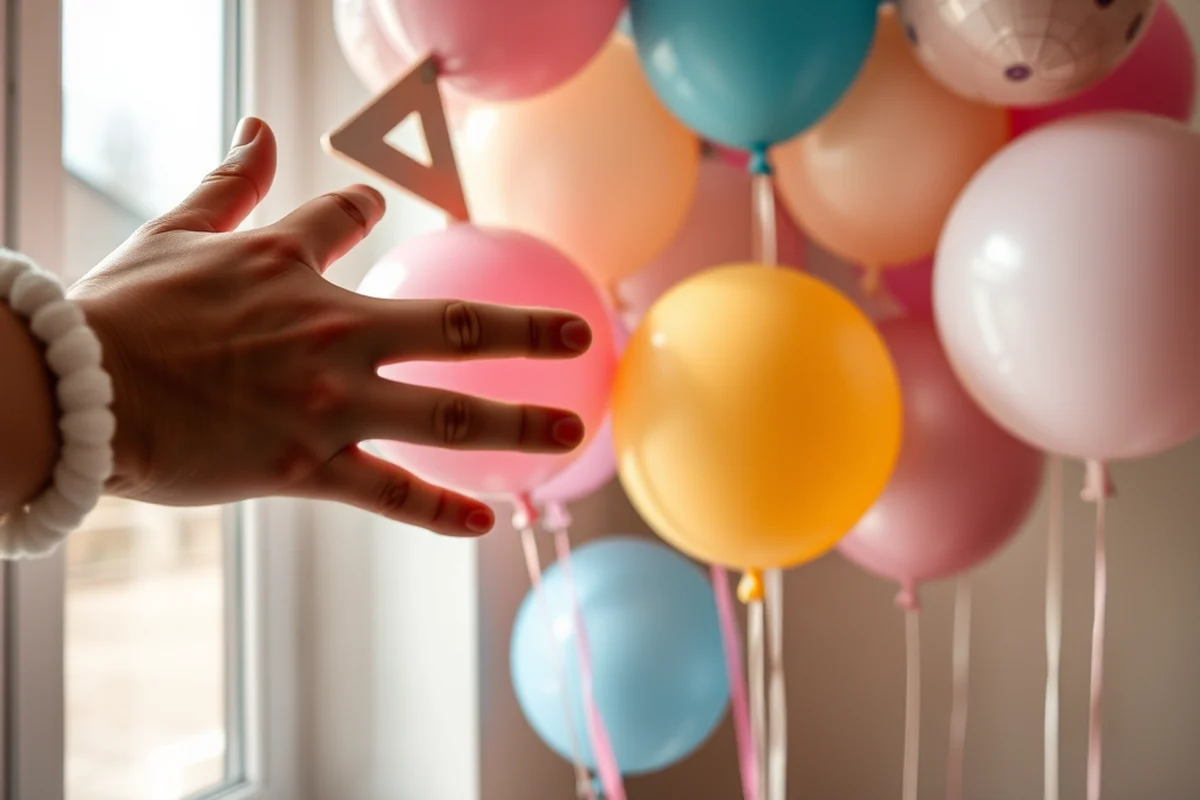
When I first started hosting DIY events, I underestimated the time needed to complete all the tasks. I once spent two days trying to make a dozen paper flowers and ran out of time, forcing me to use store-bought ones. Now, I use a detailed timeline and task list, which helps me allocate time for each activity, including crafting, shopping, and setting up the space.
I’ve found that breaking tasks into smaller chunks with clear deadlines is a game-changer. For example, if I know I need to make 12 table centerpieces, I’ll spend one evening cutting materials, the next evening assembling them, and the day before the event arranging them. This approach keeps me organized and prevents last-minute panic.
I also track tasks using a simple spreadsheet or app like Trello. I’ve found that keeping a visible checklist on my wall helps me stay motivated and on track. It’s a small but powerful tool that makes the process feel more manageable.
A timeline keeps your event planning from becoming a whirlwind.
Related: Simple diy party decor games activities
Related: Diy party decor activities ideas
Related: Budget diy party decor activities
Related: Simple diy party decor games
Related: How to diy party decor games
Invest in Reusable Decor
I used to buy cheap, single-use decor for every event, only to end up with a mountain of trash. It wasn’t sustainable, and it was also expensive in the long run. After switching to reusable items like fabric bunting, LED string lights, and foldable tablecloths, I found that my costs dropped by almost 40% and I had fewer stress moments during events.[1]
Reusable items not only save money but also make your event feel more professional. I’ve found that fabric bunting can be used for multiple events and washed after each use. I’ve also used LED string lights for years and found that they’re durable and create a warm, inviting ambiance that’s hard to beat.
I recommend investing in a few key reusable items and using them across different events. This approach not only cuts costs but also helps you build a collection that you can mix and match for different themes. It’s a small change with a big impact on both your budget and the environment.
Use a spreadsheet to track when you last used each reusable item to avoid overusing it.
“I still remember the first DIY party I hosted — it was a small gathering of 12 friends in my living room, and I spent…”— Decorbyhand editors
Plan for Lighting and Ambiance

Lighting is often overlooked in DIY party planning, but it’s one of the most important elements. I once hosted an outdoor event with only natural light, and it felt flat and uninviting. After adding string lights, lanterns, and even a few spotlights, I noticed a dramatic improvement in the overall atmosphere.
I’ve found that using a mix of ambient and task lighting works best. For example, I used soft string lights to create a warm glow around the perimeter of the space and placed lanterns on tables to add a focal point. I also used a few LED strip lights under tables for a subtle, modern touch.
When planning lighting, I always consider the time of day and the type of event. For a daytime event, I use more natural light and add a few accent lights. For an evening event, I go for more dramatic and warm lighting. This subtle shift in focus can have a huge impact on the overall mood.
Organize Your Workspace and Supplies
I used to craft in my living room, which led to a mess and made the process more stressful. Now, I set up a dedicated crafting space, and it’s made a world of difference. I’ve found that having a clear workspace with all my materials easily accessible saves time and keeps me focused.
I recommend using a large table or a folding workbench as your crafting station. I also use storage containers for different materials — I’ve found that labeling them with a marker or tape helps me find things quickly. I also keep a few essential tools like scissors, glue, and rulers within reach.
I’ve also found that keeping your supplies organized helps reduce stress and makes the process more enjoyable. I’ve tested this approach on multiple events, and each time, I found that having an organized workspace made the crafting process faster and more efficient.
💰 Budget-Friendly DIY Party
Create a stunning event with minimal spending using thrifted and homemade decor.
🏠 Small-Space Gathering
Transform a small apartment or room into an inviting event space with clever decor and planning.
🌳 Outdoor Party
Design a beautiful outdoor event with natural elements, lighting, and comfortable seating.
🍷 Grown-Up Version
Host a sophisticated, elegant event with refined decor and curated details.
🧼 Low-Effort Party
Create a memorable event with minimal crafting and maximum impact through clever planning.
| The mistake | Why it happens | The fix |
|---|---|---|
| Underestimating the time needed for crafting. | I once spent a full day making paper flowers, only to find I didn’t have time for setup. | Plan for at least two weeks of lead time and break tasks into smaller, daily goals. |
| Using too many different colors. | Too many colors can make the event feel chaotic and uncoordinated. | Stick to a main color, two complementary shades, and a neutral to ensure cohesion. |
| Overlooking the importance of lighting. | Without proper lighting, even the best decor can feel flat and uninviting. | Invest in at least a few lighting sources, like string lights or lanterns, to add ambiance. |
| Not organizing my crafting space. | A cluttered workspace can slow you down and increase stress during the crafting process. | Set up a dedicated crafting station with all materials labeled and easily accessible. |
Diy Party Decor Activities Checklist
Incorporate Personalized Touches with Homemade Crafts
Add unique flair by making personalized decor like custom name tags, hand-painted signs, or guestbook stations.
I always set aside a few hours to make personalized decor items, like hand-stitched welcome banners or custom cocktail stirrers. These small touches add a personal flair that guests will remember and make the event feel more special. I’ve found that even simple items like hand-written thank-you notes in small jars or custom photo frames can elevate the overall look of the party space without breaking the budget.
For a wedding or birthday party, I often create DIY photo booths with props and backdrops that match the color palette. This not only adds entertainment but also becomes a memorable keepsake for guests. I’ve used fabric scrapes, old curtains, and even painted cardboard to make these setups, and the results have always been impressive. These projects take time, but the payoff is worth it when guests are snapping photos and having fun.
I also enjoy making custom centerpieces using items like mason jars, dried flowers, and candles. These can be reused for future events, which is both cost-effective and eco-friendly. I’ve found that including personal elements like family photos or handwritten quotes adds a unique story to the decor. It’s these little details that make a party feel more heartfelt and tailored to the occasion, which is why I always recommend dedicating time to these personalized DIY projects.
Common Questions
How do I choose the right theme for my DIY party?
What is the best way to organize my crafting space?
How can I make my event feel more inviting?
What should I do if I run out of time to complete all my decor tasks?
References
- Environmental Education Activity Guides - Hennepin County (hennepincounty.gov)
Cite this guide
Decorbyhand (2026). Diy Party Decor Activities Checklist. https://decorbyhand.com/diy-party-decor-activities-checklist/
Feel free to cite or share this guide.