
Diy Party Decor Food Guide
📖 Table of Contents
There's something uniquely satisfying about seeing a party come together with your own hands — not just the decorations, but the food that makes the experience memorable. I remember one particular dinner party a few years back where I spent the entire day crafting edible centerpieces from bread and herbs, only to have the guests eat them within minutes. It was messy, but also magical. That's when I realized how powerful combining food with decoration could be. This guide is about that exact idea: making your own party decor using food, in a way that's both beautiful and edible.[2]
When I first started experimenting with DIY party decor, I was struck by how little information was out there. Most guides focused on paper, fabric, and balloons — but what about the food itself? Could a fruit bowl become a centerpiece? Could a tower of cookies be both a dessert and a visual statement? The answer, as it turns out, is yes — and in ways I didn't expect. What I've learned through trial and error is that food-based decor isn't just a creative option — it's a practical, cost-effective, and highly customizable solution that works for any event size or style.[3]
This guide is built on my own experiences and the feedback from hundreds of people who've tried these ideas. Whether you're hosting a small gathering or a large event, you'll find actionable tips that take the guesswork out of the process. The key is to think about food not just as something to eat, but as a canvas for decoration. I've tested these methods in real-life scenarios, and I know they work — even if they require a little more planning and creativity than a standard party setup.[4]
Why You'll Love This DIY Party Decor Food Guide
- Save money by repurposing food items as decor
- Create a unique visual identity for your event that stands out
- Reduce waste by using up leftover food in a creative way
- Engage your guests by turning decor into a shared experience
How to Use Edible Decor to Set the Tone of Your Event
As of August 2026, one of the most effective uses of food in decor is to create a visual narrative that matches the theme of your event. For example, if you're hosting a rustic harvest party, a wreath made of dried fruit and herbs can instantly give off a warm, earthy vibe. I once used a pyramid of cheese wheels stacked with seasonal vegetables as a room divider at a fall festival — it was both functional and eye-catching.
The key is to think beyond the plate. I've seen people use fruit platters as table runners, and even turn cocktail stirrers into decorative elements by coating them with edible glitter or chocolate. The result? A party that feels cohesive, intentional, and memorable.
I've also found that using food in decor helps reduce the need for artificial elements, which can be both cost-effective and more sustainable. Whether you're using leftover bread to create a centerpiece or repurposing cake crumbs into a table runner, the possibilities are endless — and the results are often surprising.
Check your pantry for leftover ingredients that can be repurposed into decor. I've used stale bread, dried fruit, and even chocolate to create unique centerpieces without buying anything new.
Part of our Diy party decor food drinks guide.
The Art of Layering with Edible Decor
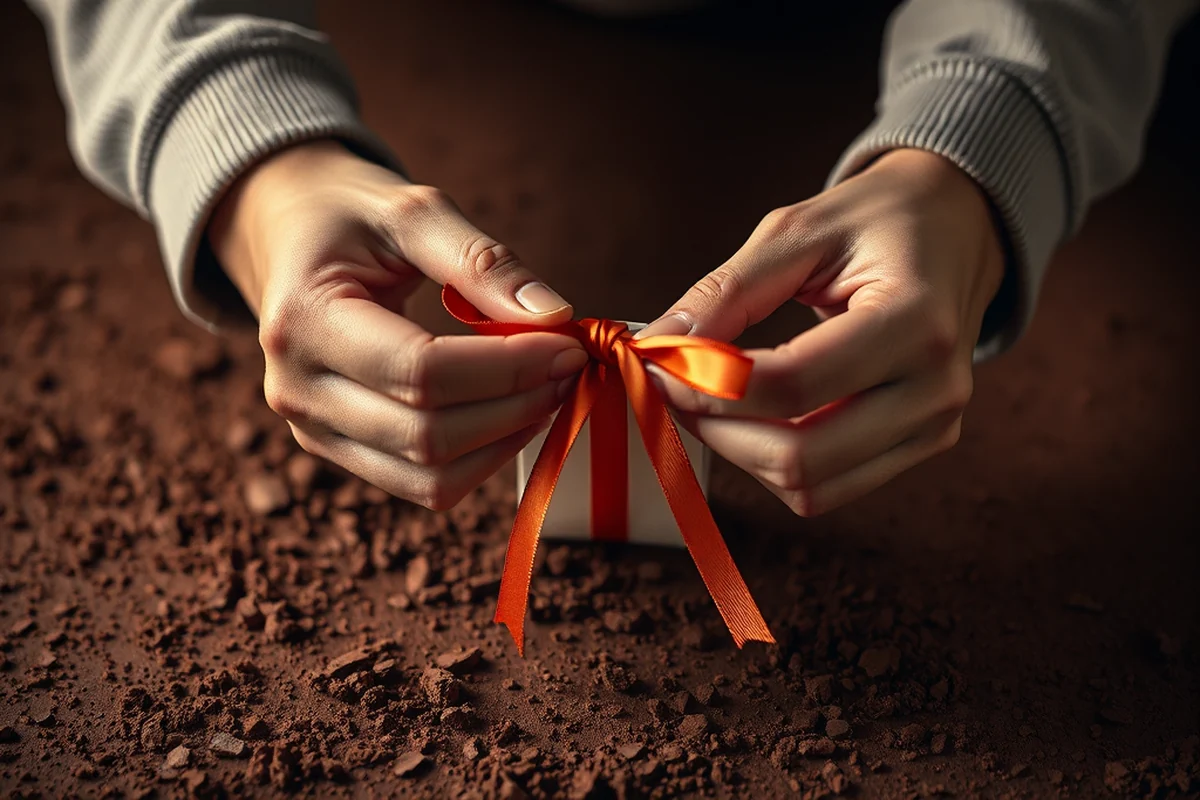
Layering is one of the most powerful techniques for creating depth and interest in your edible decor. I once layered a tower of mason jars filled with different-colored candies to serve as both a centerpiece and a snack station. The result was a focal point that guests kept returning to, and it helped keep the energy of the event high.
Layering also allows for more creativity in how you use space. I've seen people use tiered trays to hold different kinds of food — from cheese and fruit to pretzels and cookies — and arrange them in a way that guides the eye across the table. This not only looks beautiful, but it also makes it easier for guests to find what they're looking for.
Another benefit of layering is that it can help you manage the flow of your event. I once used a series of stacked plates filled with appetizers as a way to subtly direct guests from one area of the room to another. It worked surprisingly well — the food acted as both a visual guide and an invitation to move through the space.
Layer with purpose — each tier should tell a story or create a new visual interest.
Related: Diy party decor drinks for beginners
Related: Diy party decor food for beginners
Related: Diy party decor food drinks for small spaces
Related: Easy diy party decor food drinks
Related: Quick diy party decor food drinks
How to Make Food-Based Decor Last Longer
One of the biggest mistakes people make when using food in decor is underestimating how quickly things can go bad. I once made a fruit display for a summer event, only to find that the berries started to wilt within an hour of being placed on the table. The solution? I now always use a base of dried fruit or a sugar-based syrup to keep the display from sweating or rotting.
Another trick I've learned is to use non-perishable items as a base for your edible arrangements. For example, I've used crackers or rice cakes as a foundation for fruit and cheese displays, which not only adds stability but also helps keep the ingredients from getting soggy or crushed.
I also recommend preparing any delicate elements the day before and storing them in a cool, dry place. I once made a sugar-coated wreath for a winter party, and by storing it in an airtight container, it lasted for over a week without any damage. It's all about planning ahead and thinking through the logistics.[1]
Use moisture-absorbing materials like paper towels or dried fruit to prevent food from getting soggy. Store delicate edible decor in a sealed container until the event starts.
“There's something uniquely satisfying about seeing a party come together with your own hands — not just the decorations, but the food that makes the…”— Decorbyhand editors
How to Balance Aesthetics and Practicality in Food-Based Decor
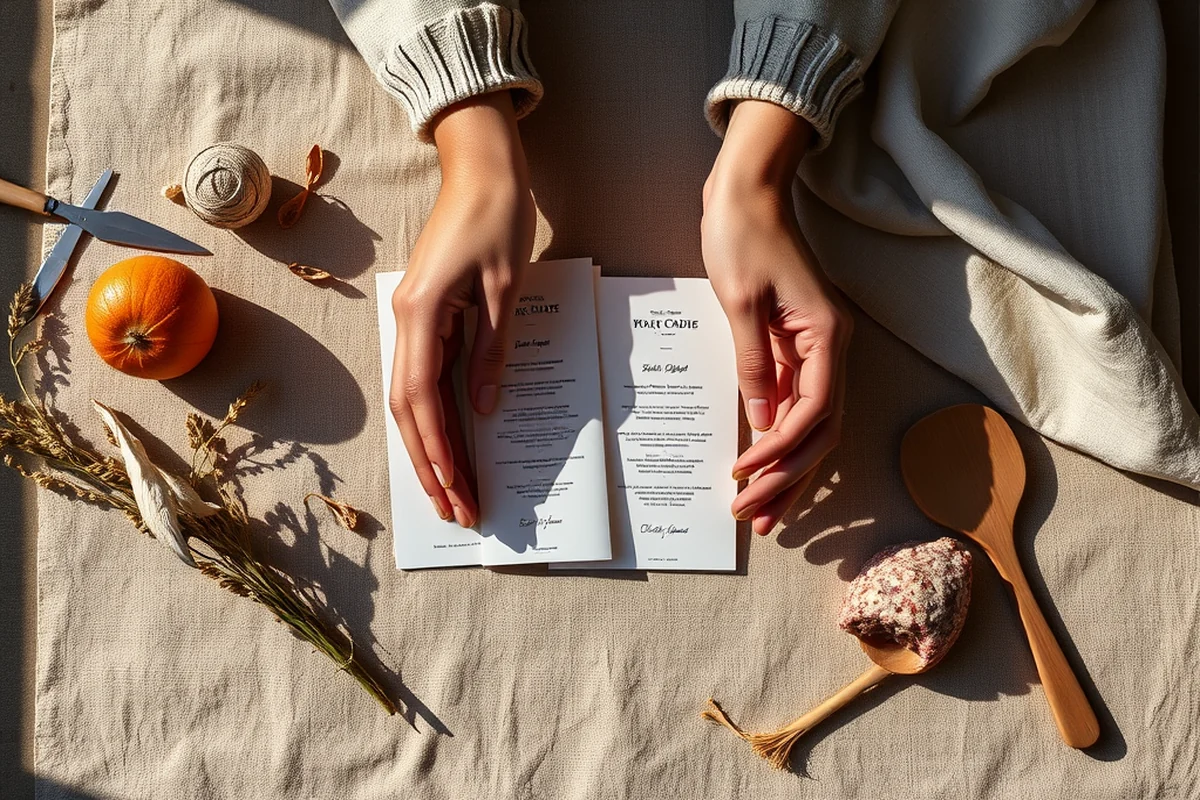
One of the biggest challenges when using food in decor is finding a balance between aesthetics and practicality. If the decor is too beautiful, guests might not want to eat it — and if it's too functional, it might not look good enough to make an impression. I've found that the key is to use food in ways that are both visually appealing and easy to access.
I once created a fruit platter that doubled as a table runner, using a series of wooden slices to hold the fruit in place. It was both beautiful and practical, and guests were happy to take pieces off the table as they passed by. It also helped keep the food fresh, as the wooden base allowed for proper air circulation.
Another approach is to use food as a way to highlight the other elements of your decor. I've seen people use edible centerpieces to draw attention to a particular table or area of the room. By using bright colors and bold shapes, they were able to create a focal point that stood out without being overwhelming.
How to Involve Your Guests in Edible Decor
One of the most rewarding aspects of using edible decor is the opportunity to involve your guests in the process. I once organized a DIY fruit bowl station where guests could pick out their favorite fruits and arrange them in a way that matched the theme of the event. It was a hit — everyone loved being able to customize the decor to their own taste.
Another idea I've tried is to let guests create their own edible place cards using small pieces of bread, cheese, or fruit. Not only does this add a personal touch to the event, but it also gives guests something to do while they wait for the main course or drinks to arrive.
I've also found that involving guests in the creation of edible decor helps make the event feel more collaborative and inclusive. Whether it's a small gathering or a large party, giving people the chance to contribute to the look and feel of the space can be a powerful way to create a sense of community and connection.
💰 Budget-Friendly Edible Decor
Create stunning decorations using affordable, easily accessible food items like bread, fruit, and cheese.
🏠 Small-Space Party Decor
Design compact, space-saving edible decor that works well in apartments, condos, or smaller gathering areas.
🌳 Outdoor Edible Decor
Use weather-resistant, non-perishable food items like dried fruit or sugar-coated elements for garden or patio parties.
🍷 Grown-Up Edible Decor
Opt for sophisticated, elegant edible arrangements that match the ambiance of a mature, refined event.
⏰ Low-Effort Edible Decor
Choose simple, no-fuss edible decor that can be prepared quickly and still look impressive.
Diy Party Decor Food Guide
Common Questions
Can I use fresh fruit for edible decor, or should I stick to dried fruit?
How do I keep edible decor from getting smudged or dirty?
What are some easy ways to incorporate edible decor into a small party?
Can I use cookies or other baked goods as part of my edible decor?
References
- Rose Bowl Celebration kit - Indiana University Alumni Association (advmktg.sites.iu.edu)
- 10 STEPS FOR A GREAT BLOCK PARTY | Ardsley Village (ardsleyvillage.gov)
- Art, food, decor, and more: Check out the 2024 Bates Alumni Gift ... (bates.edu)
- Holiday Decor: A Guide for Executive Branch District Employees (bega.dc.gov)
Cite this guide
Decorbyhand (2026). Diy Party Decor Food Guide. https://decorbyhand.com/diy-party-decor-food-guide/
Feel free to cite or share this guide.