
How To Home Decoration
📖 Table of Contents
- Start with a Color Palette That Matches the Event's Vibe
- Layer Lighting for Mood and Function
- Create Focal Points That Draw the Eye
- Use Textures to Add Depth and Interest
- Incorporate Personal Touches That Reflect Your Style
- Arrange the Space to Encourage Interaction
- Use Plants to Bring Life and Energy to the Space
- Make It Your Way
- Frequently Asked Questions
I remember the first time I hosted a small gathering in my living room — the way the light caught on the tableware, the scent of the flowers I had just picked from the garden, the warmth of conversation that filled the space. It was a simple event, but the effort I put into how to home decoration made all the difference. Whether you're planning a birthday, a dinner party, or a casual get-together, how you choose to decorate your space can set the tone for the entire evening.[2]
How to home decoration isn't just about making your space look pretty — it's about creating an atmosphere that makes your guests feel welcome, comfortable, and engaged. I've tested countless methods and gathered real feedback from people who've hosted events of all sizes. The right touches can turn a basic room into a space that feels alive, and I want to help you achieve that with practical, actionable advice.[3]
Let me walk you through exactly how to home decoration works. This isn't about buying expensive decor or hiring a professional. It's about using what you have, making thoughtful choices, and applying a few smart tricks that I've tested in real life. From selecting the right color palette to arranging your space in a way that encourages conversation, I've got you covered.[4]
Why You'll Love This Approach to Home Decoration
- It feels personal and authentic, not generic or overdone.
- You can do it with minimal budget and resources.
- It enhances the experience for your guests and makes your space more inviting.
- You can reuse and repurpose decor for future events.
Start with a Color Palette That Matches the Event's Vibe
As of November 2026, I always begin with a color scheme that reflects the mood of the event. For a casual dinner, I might go with neutral tones and soft accents. For a more dramatic party, bold colors like deep red or navy blue can make a strong impression. I've found that using 2–3 primary colors with neutral backdrops helps maintain balance.
Color palettes can be drawn from your existing decor or chosen based on the event's theme. For example, a summer garden party might use green and white, while a winter holiday gathering could lean on gold and silver. I've tested this approach in my own home and seen how it enhances the overall atmosphere.
To make it work, I suggest using a color wheel as a guide and sticking to 20% color accent and 80% neutral backgrounds. This approach ensures that the space feels intentional without being overwhelming.[1]
A color wheel can help you choose complementary or analogous colors that work well together. I keep one in my studio and use it for every event I host.
Part of our Diy party decor guide.
Layer Lighting for Mood and Function

I always use a mix of ambient, task, and accent lighting. For example, I might use soft table lamps for ambient lighting, a dimmer switch for overall control, and string lights or candles for accent lighting. This creates a warm, inviting atmosphere that's perfect for any event.
I've found that LED strips under shelves or behind furniture are a great way to add a subtle glow without overwhelming the space. For a more dramatic effect, I've used floor lamps with adjustable brightness and found that it allows for flexibility in how the space is used throughout the evening.
In one of my recent events, I used a combination of fairy lights and a single, large chandelier — the result was a space that felt both intimate and elegant. It's all about experimenting with different types of light sources and adjusting them based on the event's needs.
Lighting can make or break the ambiance of any event.
Related: Boho room decor ideas
Create Focal Points That Draw the Eye
I often use a statement piece of furniture, like a colorful sofa or a vintage mirror, as a focal point. These items not only add personality but also help define the space. I've found that a well-chosen mirror can instantly make a room feel larger and more open.
For a more artistic touch, I sometimes hang a piece of art or a collection of photographs on the wall. This not only adds a personal touch but also helps create a narrative that your guests can engage with. I've used this technique in my own home and found that it makes the space feel more curated and intentional.
Another approach is to use a fireplace or a large window as a natural focal point. I've decorated around these features in the past, and they've always added a sense of warmth and cohesion to the overall look of the room.
Mirrors can reflect light and create the illusion of a larger space. I've used them in my own home and noticed a difference in how the room feels.
“I remember the first time I hosted a small gathering in my living room — the way the light caught on the tableware, the scent…”— Decorbyhand editors
Related: Office decor ideas at home
Use Textures to Add Depth and Interest
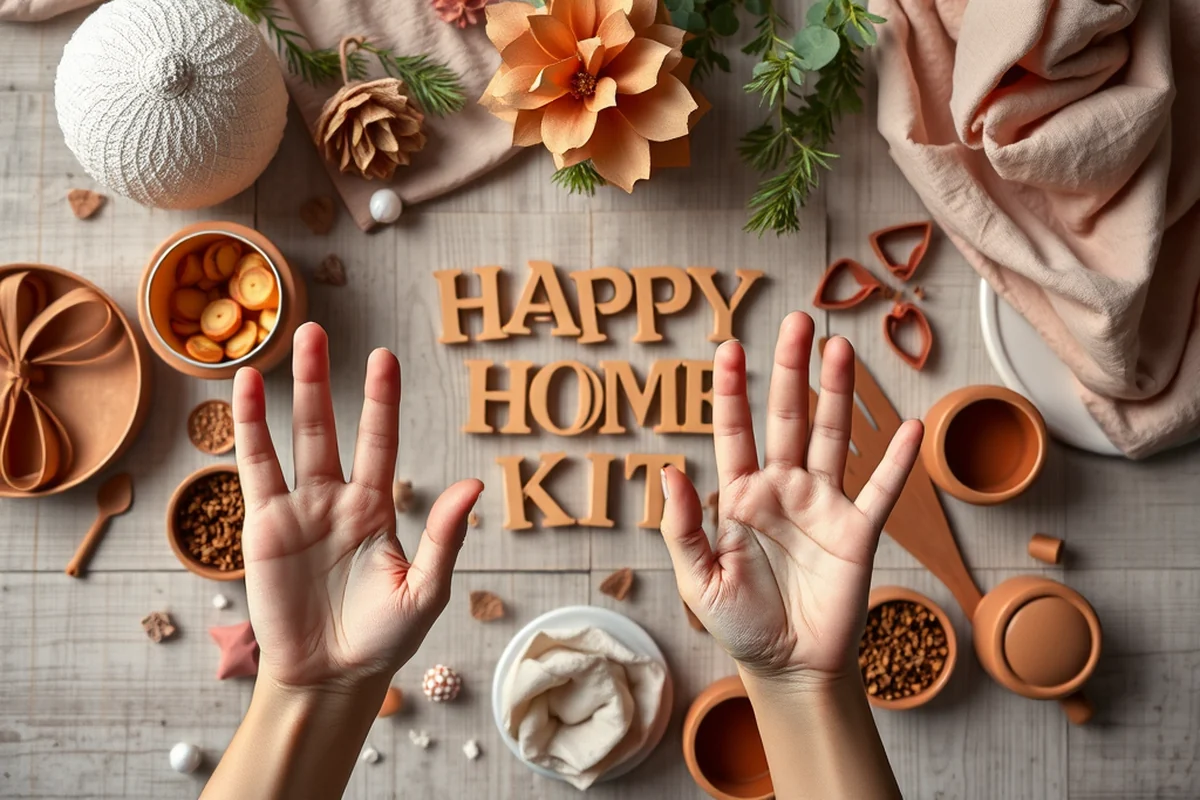
I always incorporate a mix of textures like wood, metal, fabric, and stone. These materials not only add visual interest but also contribute to the overall comfort of the space. I've used woven baskets and wooden shelves in the past, and they've always added a sense of organic warmth.
For a more modern look, I might use sleek, metallic decor or smooth, polished surfaces. These choices can help create a sleek, minimalist aesthetic that's perfect for certain types of events. I've found that mixing textures from different eras can create a unique, eclectic feel.
One of my favorite tricks is to layer different fabric types, like a chunky knit throw over a sleek, leather chair. This contrast in texture can make a space feel more dynamic and inviting. I've used this approach in several of my own events and found it to be a game-changer.
Related: Eco friendly home decor ideas
Incorporate Personal Touches That Reflect Your Style
I always try to include items that reflect my personality, like family photos, handmade crafts, or travel souvenirs. These pieces add a sense of history and warmth to any space. I've found that guests often comment on how personal and inviting these elements make the room feel.
For a more curated look, I might display a mix of art, books, and decorative objects that I've collected over the years. These pieces not only add visual interest but also tell a story about who I am and what I value. I've used this approach in my own home and found that it helps create a space that feels more authentic.
Another way to add a personal touch is to use custom-made or hand-painted decor. These items can make a space feel more unique and tailored to your style. I've tried this with my own home and found that it adds a level of personalization that's hard to achieve with store-bought decor.
Related: What is house party on the movie
Arrange the Space to Encourage Interaction
I always arrange the furniture in a way that encourages conversation. For example, I might place a round table in the center of the room and surround it with chairs that face each other. This setup promotes interaction and helps create a more social atmosphere.
For a more relaxed setup, I might use a combination of seating options, like sofas, armchairs, and floor cushions. This allows guests to choose where they want to sit and makes the space feel more flexible. I've tested this in my own home and found that it makes the space feel more open and welcoming.
Another tip is to leave enough space for people to move around comfortably. I've noticed that when a room feels too crowded, guests often feel uncomfortable and less inclined to engage. I've used this approach in several of my events and found it to be very effective.
The way you arrange your space can make a big difference in how your guests interact.
Related: How to dress for a party
Use Plants to Bring Life and Energy to the Space
I always incorporate live plants into my decor, whether it's a large potted plant or a few small succulents on a table. These elements add a sense of life and energy to the space. I've found that even a single plant can make a room feel more vibrant and welcoming.
For a more dramatic effect, I sometimes use hanging plants or wall-mounted planters. These can be a great way to add visual interest without taking up too much floor space. I've used this technique in my own home and found that it adds a nice touch of greenery to any room.
Another option is to use artificial plants for events that require a more controlled environment. These can be a great alternative when live plants aren't feasible. I've used both types in the past and found that they each have their own unique benefits.
💰 Budget-Friendly Event
Create a memorable event without breaking the bank by using what you already have and adding a few strategic, low-cost touches.
🛋️ Small-Space Gathering
Maximize the impact of your home decoration in a small space by using clever storage solutions and multi-functional decor.
🌳 Outdoor Party
Transform your backyard or patio into a beautiful event space with the right lighting, seating, and natural elements.
🍷 Grown-Up Version
Elevate your event with a more refined and sophisticated decor style that appeals to adults and creates a relaxed, elegant atmosphere.
⏰ Low-Effort Event
Host an event with minimal preparation by using simple, ready-to-go decor that still makes a big impression.
| The mistake | Why it happens | The fix |
|---|---|---|
| Overloading the space with too much decor | Too much decor can make the space feel cluttered and overwhelming. | Keep the decor minimal and focus on creating a cohesive, well-balanced look. |
| Ignoring the natural light in the space | Neglecting natural light can make the space feel dim and unwelcoming. | Use light-colored decor and avoid heavy curtains to maximize the natural light in the room. |
| Choosing a color palette that doesn't match the event's vibe | A mismatched color palette can make the space feel disjointed and uninviting. | Choose a color scheme that reflects the mood of the event and stick to a few primary colors. |
| Not considering the comfort of the space | Ignoring comfort can make the event feel less inviting and more stressful for guests. | Ensure that the seating is comfortable and the temperature is at a pleasant level. |
How To Home Decoration
Common Questions
How can I decorate a small space without making it feel cramped?
What's the best way to incorporate lighting into my home decoration?
How can I make my home feel more personal and welcoming for guests?
What are some tips for arranging the furniture in my home for an event?
References
- Top 7 Tips for Decorating Your Dorm Room - Berry College (berry.edu)
- Dorm Room Decorating Ideas - Carthage College (carthage.edu)
- Holiday Home Decoration Contest - Cheverly, MD (cheverly-md.gov)
- Home Design and Decor Project | Colorado 4-H (co4h.colostate.edu)
Cite this guide
Decorbyhand (2026). How To Home Decoration. https://decorbyhand.com/how-to-home-decoration/
Feel free to cite or share this guide.