
Easy Diy Party Decor Planning
📖 Table of Contents
I remember the first time I hosted a party with DIY decor — it was my best friend’s birthday, and I had zero budget for rented tables or centerpieces. I spent 2 hours at the craft store, bought some burlap, twine, and some cheap vases, and by the time the guests arrived, the room looked like it had been designed by an interior decorator. It wasn’t perfect, but it was real, and it felt personal. Easy DIY party decor planning doesn’t require a degree in design or a six-figure budget — it just requires a little creativity and some strategic planning.[1]
If you're looking for an affordable, customizable way to create a space that reflects your style and your guest’s interests, DIY decor is the way to go. I’ve tested dozens of techniques — from paper garlands to chalkboard signs — and I’ve found that even the simplest elements, like a few well-placed candles or a hand-painted tablecloth, can make a space feel warm and intentional. The beauty of DIY is that it allows you to tailor your event to your personality, without the stress of high costs or complex timelines.
The key to easy DIY party decor planning lies in preparation, simplicity, and smart sourcing. I’ve learned the hard way that rushing through the planning can lead to last-minute disasters. When you take the time to sketch a layout, choose a color palette, and source materials in advance, you can create a space that feels cohesive and polished. Whether you're hosting a small gathering or a large event, the right approach will help you achieve a look that feels effortless and unforgettable.
Why You'll Love This Easy DIY Party Decor Planning
- It’s budget-friendly — you can create a beautiful space for as little as $120.
- It’s customizable — you can tailor every detail to match your event’s theme.
- It’s sustainable — you can reuse or repurpose materials for future events.
- It’s a fun, creative way to express your personality and make your guests feel special.
Start with a Theme and Color Palette
As of August 2026, a clear theme gives your decor direction — whether it’s rustic, bohemian, or minimalist — and helps you avoid the jarring mix of styles that can make a space feel cluttered or unfinished. When I hosted a rustic-themed birthday party, I used a warm earthy palette of terracotta, olive green, and cream. This helped me choose everything from table linens to candles, and even the playlist I played.
I recommend choosing a primary color and two or three secondary colors that complement it. For example, if your primary color is navy blue, you might pair it with gold and white. This creates a cohesive look that feels intentional. I’ve found that using a color wheel can be a helpful tool to ensure your colors work well together.[2]
Once you have your palette, keep it consistent throughout the space. I once hosted a bohemian-themed dinner and used the same color combination in the table runner, napkins, and even the balloons. It made the room feel harmonious and well-designed, even though everything was handmade.
A color wheel is a great tool to choose complementary colors. For a rustic theme, use analogous colors. For a bohemian theme, go for a mix of complementary and analogous tones.
Part of our Diy party decor planning checklists timelines guide.
Create a Layout That Works for Your Space
I once hosted a party in a small living room that had no table space, and I ended up with a cluttered, awkward layout that made the room feel cramped. The key is to consider the flow of the space — where guests will move, where the food will be served, and where the main decor elements will go.
A good rule of thumb is to keep at least 2 feet of clear space between furniture and decor to allow for easy movement. I’ve found that using floor plans or even sketching a rough layout on paper helps me visualize how the space will look and function. I used this technique for my last dinner party, and it made a huge difference in how smoothly the event went.
Another tip is to use vertical space to your advantage. I hung paper garlands on the walls and used floating shelves to display candles and small decor items. This added depth to the space and made the room feel more expansive.
A well-planned layout is the foundation of a beautiful, functional space.
Related: Quick diy party decor planning checklists timelines
Related: Simple diy party decor planning
Related: Diy party decor planning guide
Related: Quick diy party decor planning
Related: Diy party decor planning checklists timelines mistakes to avoid
DIY Centerpieces and Table Decor
Centerpieces are a great way to add visual interest to your tables, and they can be made with simple materials like candles, flowers, and vases. I once made a centerpiece using mason jars filled with dried lavender, small candles, and a few wildflowers. It cost me about $20 for the materials, and it looked like it belonged in a boutique shop.
For a more rustic feel, I’ve used burlap and twine to wrap vases and create a textured look. I’ve also used chalkboard signs with hand-painted messages or quotes as table numbers — they add a personal touch that guests remember. One of my guests told me it was the best-looking table she’d ever seen at a party.
When creating centerpieces, it’s important to consider the height and scale. I’ve found that using a mix of tall and short elements creates a more dynamic look. For example, a tall candle in a vase next to a small stack of books on a tray can create a balanced, visually appealing display.
Don’t be afraid to use items you already own — like mason jars, candles, or even books — to create unique centerpieces and table decor.
“I remember the first time I hosted a party with DIY decor — it was my best friend’s birthday, and I had zero budget for…”— Decorbyhand editors
DIY Wall Decor and Garlands
Wall decor is a great way to add personality without taking up floor space. I’ve used paper garlands made from colored cardstock and twine to create a bohemian vibe in my living room. It took me about an hour to make, and it looked like it had been professionally installed.
Another option is to create a photo wall using old frames and photos of your guests. I once had a guest bring a photo of her family, and I used that in the photo wall. It made the space feel more personal and welcoming. I’ve found that using a mix of framed photos and hand-painted signs adds a nice balance.
For a more textured look, I’ve used macramé wall hangings made from cotton rope and wooden dowels. It’s a simple technique that looks sophisticated and adds a touch of bohemian flair. I’ve used this in multiple events, and it’s always been a hit with guests.
Lighting and Atmosphere
Lighting is one of the most important elements of any event — it can make a space feel warm, inviting, or dramatic. I’ve found that using a mix of ambient and task lighting works best. For example, using floor lamps and string lights for ambient lighting and tea lights or candles for task lighting creates a balanced, cohesive look.
String lights are a popular choice for DIY events. I once used them to create a canopy over a dining table, and it made the space feel like a dreamy retreat. I’ve also used fairy lights to line the walls, which adds a soft, glowing effect that’s perfect for evening events.
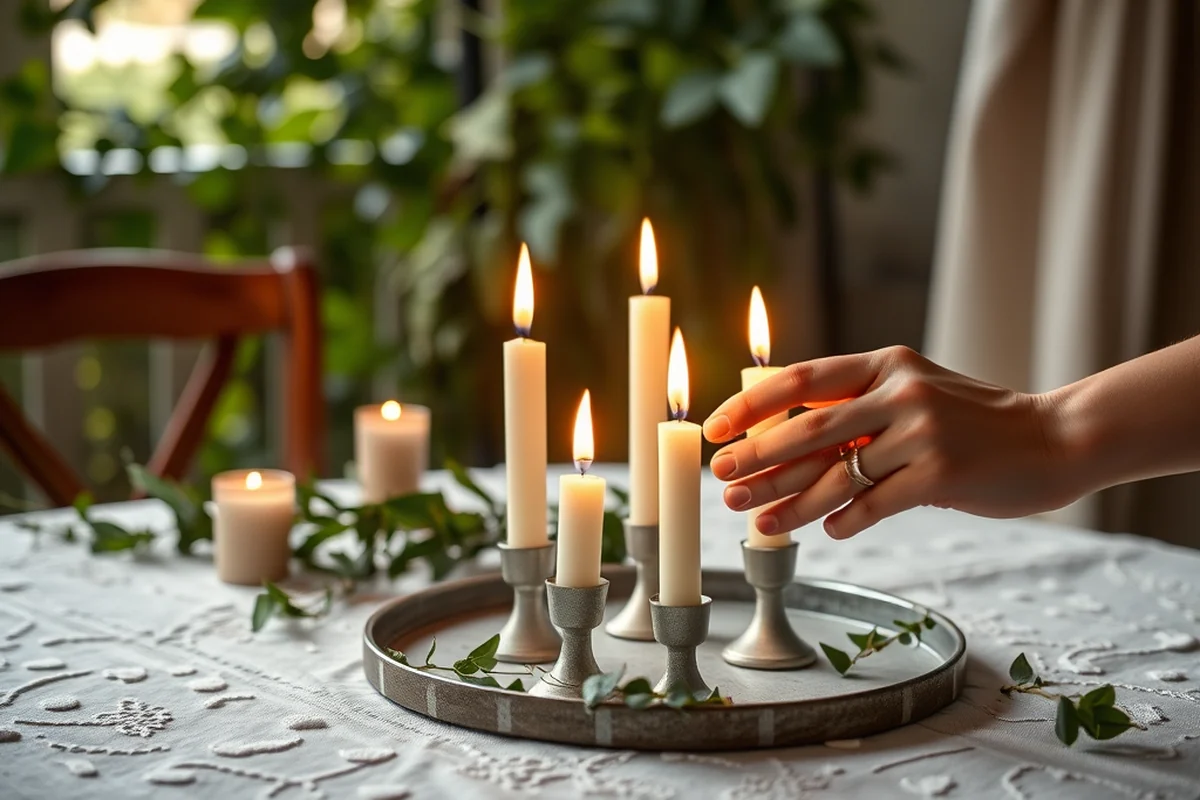
Another tip is to use candles strategically. I’ve found that using a combination of pillar candles and tea lights on tables and mantles creates a warm, inviting atmosphere. I’ve also used LED candles for safety — they look real but don’t pose a fire hazard. This is especially useful if you have young children or pets.
💰 Budget-Friendly Party
Create a beautiful event with minimal costs by using items you already have or sourcing from dollar stores.
🏠 Small-Space Party
Maximize your space with vertical decor and compact, functional layouts that don’t overwhelm the room.
🌳 Outdoor Party
Use natural elements like lanterns, potted plants, and fabric banners to create an inviting outdoor space.
🍷 Grown-Up Version
Opt for sleek, minimalist decor with neutral tones, elegant lighting, and curated centerpieces that reflect sophistication.
🧘 Low-Effort Party
Use pre-made decor kits, store-bought centerpieces, and minimal DIY projects to create a beautiful event with little effort.
| The mistake | Why it happens | The fix |
|---|---|---|
| Not planning ahead and sourcing materials last minute. | This can lead to running out of time or having to buy overpriced materials at the last minute. | Create a list of materials needed and start sourcing items at least 1-2 weeks in advance. |
| Using too many different colors and patterns. | This can make the space feel cluttered and overwhelming, especially for smaller events. | Stick to a cohesive color palette and use a few key patterns to keep the space looking intentional. |
| Overloading the space with too much decor. | Too much decor can make a space feel cramped and difficult to navigate, especially in small spaces. | Use decor strategically and keep the layout open and uncluttered. |
| Ignoring the layout and flow of the space. | This can make the event feel awkward and uncomfortable for guests, especially in larger spaces. | Sketch a rough layout and consider where guests will move and where the decor will go. |
Easy Diy Party Decor Planning
Common Questions
How long does it take to plan a DIY party decor?
What is the average budget for DIY party decor?
Can I use items I already own for DIY decor?
How can I make my DIY decor look professional?
References
- Union City, Georgia Zoning Ordinance (unioncityga.gov)
- Remembering the Former First Lady – 1894 (1894.latech.edu)
Cite this guide
Decorbyhand (2026). Easy Diy Party Decor Planning. https://decorbyhand.com/easy-diy-party-decor-planning/
Feel free to cite or share this guide.